
 English
 简体中文
简体中文 Русский
 Français
 Português
 Español

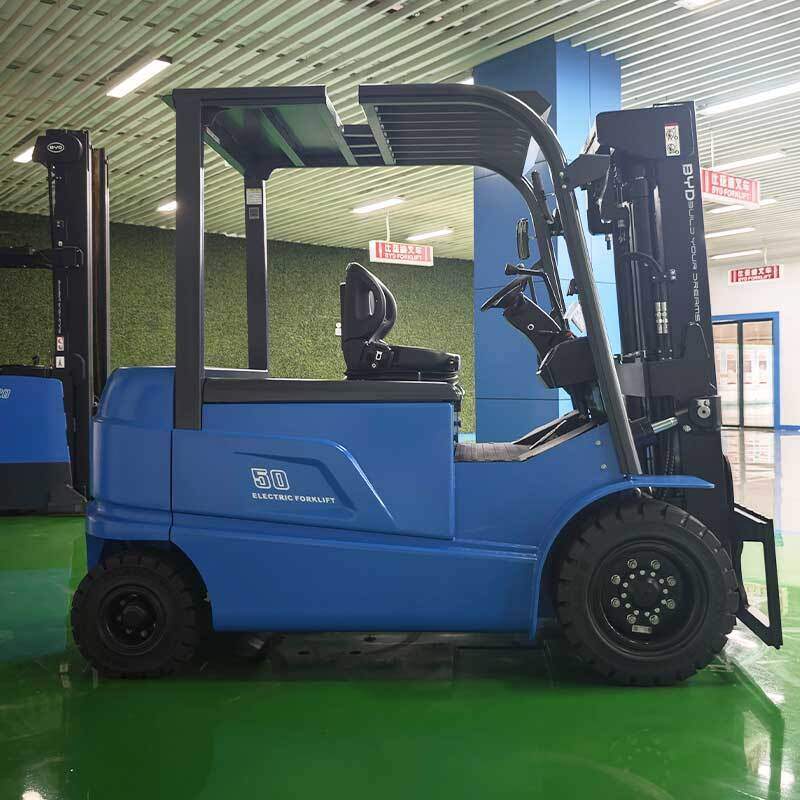
As low-carbon logistics and fine warehouse management concepts gain wider popularity across industrial sectors, electric forklifts have gradually become one of the most widely used material handling equipment in various operation scenarios. Mastering systematic professional knowledge of electric forklifts can help relevant practitioners maximize the value of the equipment while ensuring operation safety.
Core Performance Advantages of Modern Electric Forklifts
Unlike traditional internal combustion forklifts, electric forklifts rely on stored electrical energy as the power source, which produces no exhaust emission during operation, making them suitable for enclosed workspaces such as indoor warehouses, food processing workshops and pharmaceutical storage areas. The noise generated during normal operation is also far lower than that of fuel-powered equipment, which can reduce the long-term noise interference to on-site staff and improve the overall comfort of the working environment. The power output mode of electric forklifts also features smoother acceleration and deceleration, which brings more stable handling experience for operators when carrying fragile or easily damaged goods.
Daily Operation Specification for Safe Usage
Operators need to receive standardized professional training before formally using electric forklifts, and they should check the core components including the braking system, tire condition and power remaining status before each shift of operation. It is not allowed to overload the equipment beyond the rated load range during the handling process, and operators should avoid sharp steering or rapid acceleration when carrying heavy goods to prevent the risk of goods falling or equipment tipping. When the equipment is running at a low speed in narrow warehouse aisles, operators should keep alert to surrounding pedestrians and obstacles, and reduce the driving speed appropriately when the sight is blocked.
Routine Maintenance Tips to Extend Service Life
Carrying out regular daily maintenance work can effectively reduce the failure rate of electric forklifts and extend the overall service cycle of the equipment. Operators should wipe the surface dust and sundries of the equipment after each use, and check the connection status of the power supply module regularly to avoid the situation of poor contact caused by long-term accumulation of dust. It is recommended to arrange professional technicians to conduct comprehensive inspection and performance debugging for the whole equipment every certain cycle, to replace the worn parts in time, and avoid small hidden dangers leading to unexpected operation interruption. Following these scientific operation and maintenance rules can help enterprises get more stable using experience of electric forklifts in long-term production activities.


