
 English
 简体中文
简体中文 Русский
 Français
 Português
 Español

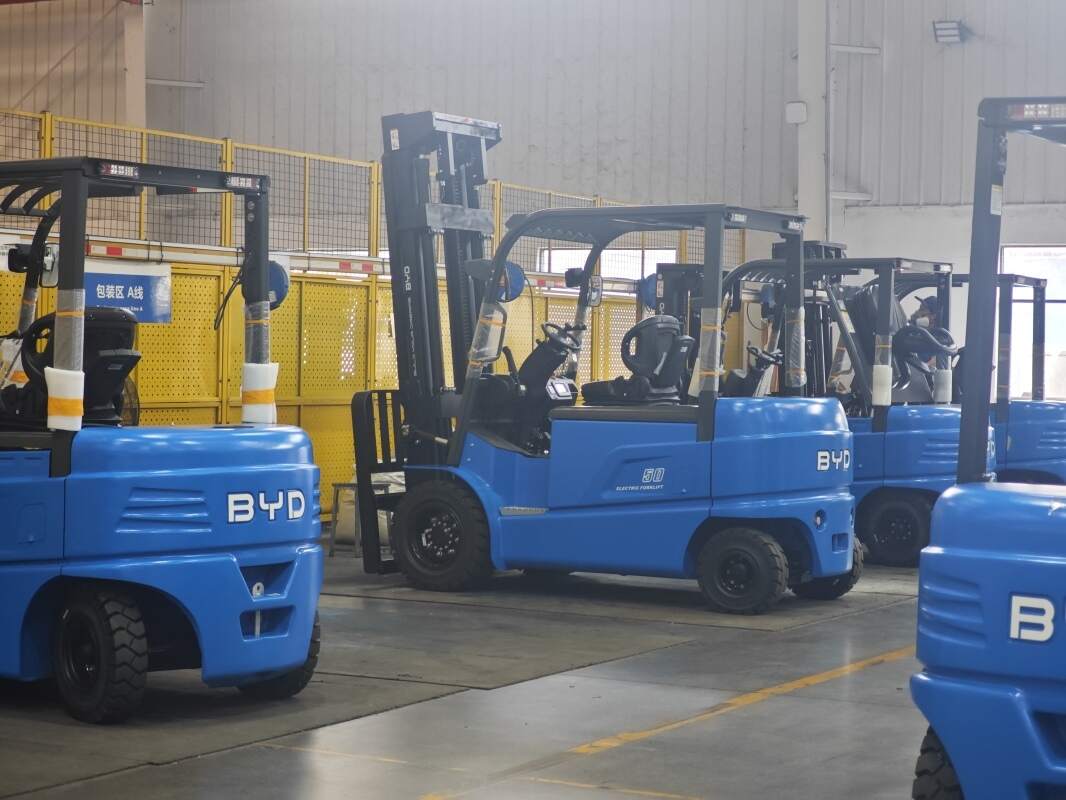
As a core type of new energy material handling equipment widely used in modern warehouse and logistics scenarios, electric forklifts have gradually become the popular choice for most industrial operation sites in recent years. Mastering correct use and maintenance knowledge can help enterprises give full play to the value of equipment while avoiding unnecessary operation risks.
Core Performance Characteristics of Electric Forklifts
Compared with traditional internal combustion handling equipment, modern electric forklifts produce no exhaust emission during operation, which meets the environmental protection requirements of enclosed warehouse, food processing and other special scenarios. The whole machine has low operation noise and small vibration, which can effectively reduce the fatigue of operators during long-time shifts, and its unit energy consumption cost is lower than that of fuel-powered products under normal continuous use conditions.
Standard Daily Operation Specifications
Before each operation, the operator needs to complete the pre-use inspection work, including checking the remaining power level, brake sensitivity, lifting chain tightness and peripheral operation environment to confirm no hidden risks. During the operation process, it is not allowed to exceed the rated load of the equipment, try to avoid sharp turns on the ramp, and keep the center of gravity of the handling goods within the specified safe range, no unrelated personnel are allowed to take the equipment in non-designated operation areas.
Routine Maintenance and Upkeep Suggestions
The power battery module is the core component of electric forklift, operators should avoid overcharging or over-discharging in daily use, keep the charging interface clean and dry to prevent short circuit. Regularly check the sealing condition of the hydraulic system, the wear degree of the solid tires, and the aging condition of the internal circuit, and arrange professional personnel to deal with abnormal problems in time. If the equipment needs to be idle for a long time, it should be stored in a dry and ventilated area, and regular supplementary charging work should be arranged as required.
Scenario Based Application Optimization Tips
For narrow channel operation scenarios, operators should adjust the equipment running speed in advance according to the site space, and avoid collision with surrounding goods or shelf structures. For high-lift storage scenarios, the lifting accuracy of the gantry should be checked regularly to ensure the stability of goods access at high positions. Do not modify the internal structure of the equipment without permission to avoid damage to the original safety protection mechanism. Standardized operation and regular scientific maintenance can effectively extend the service life of electric forklifts, reduce the long-term comprehensive operation cost of the enterprise, and create more stable value for daily material handling work.


