
 English
 简体中文
简体中文 Русский
 Français
 Português
 Español

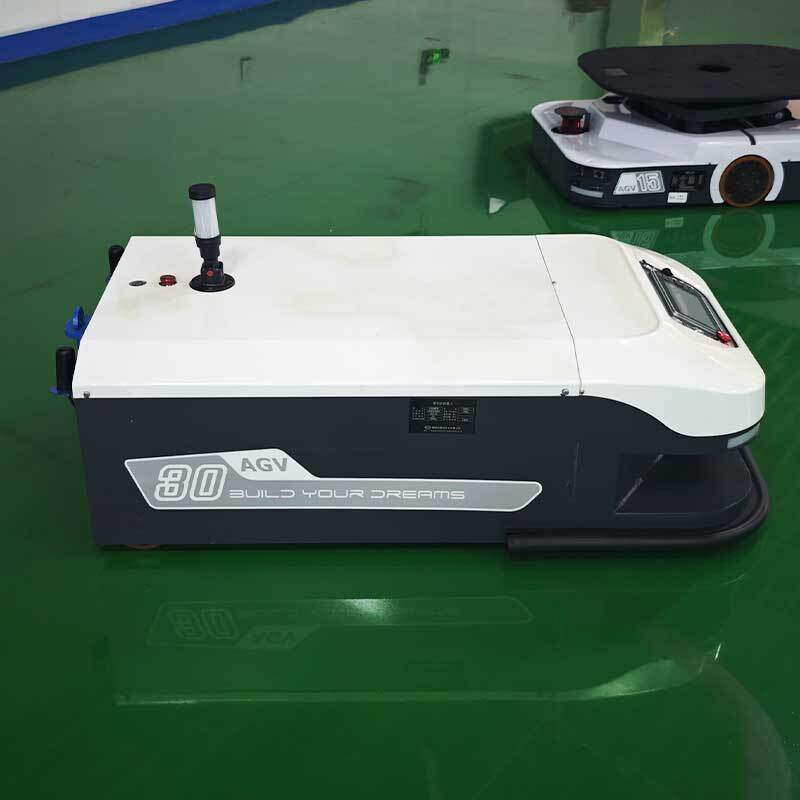
High-volume order-picking flows are the core operation link for large distribution centers, e-commerce fulfillment warehouses and retail stocking hubs, where the selection of electric pallet handling trucks directly influences the overall operational fluency and unit handling capacity. A proper match between equipment feature and actual scenario can avoid redundant operation consumption without extra unnecessary input.
Single pallet electric truck is designed with compact body structure and relatively small turning radius, which allows operators to shuttle through narrow warehouse aisles smoothly. It is more adaptable for scenarios where aisles are narrower than 2.8 meters, picking points are densely distributed, and most of the tasks only require moving one standard pallet per transfer. The lightweight body brings lower energy consumption during long continuous shifts, and the flexible operation mode reduces the physical fatigue of operators after long hours of work. For high-volume order picking flows with large amount of short-distance transfer tasks, this type of truck can complete task handover between adjacent picking points stably without occupying extra space of operation passages.
Double-pallet electric truck is built with reinforced load bearing structure to support carrying two standard pallets at the same time. With proper wave picking planning, one single transfer trip can cover two picking points that need to deliver cargo to the sorting area, which effectively cuts down the empty drive trips of operators between the picking zone and staging zone. It is more suitable for warehouses with aisle width over 3 meters, and the average transfer distance between picking positions and outbound staging area is longer than 20 meters. In such scenarios, it can lift the total pallet handling volume per working hour, and reduce the total labor input for long-distance transfer links.
When making selection decisions, warehouse operators need to combine actual operation data of their own facilities, including average aisle width, total daily pallet transfer volume, average length of picking routes and existing staff operation habits. There is no universal optimal option that fits all scenarios, and the matching between equipment feature and specific operation parameters can help create smoother high-volume order-picking flows steadily.


