
 English
 简体中文
简体中文 Русский
 Français
 Português
 Español

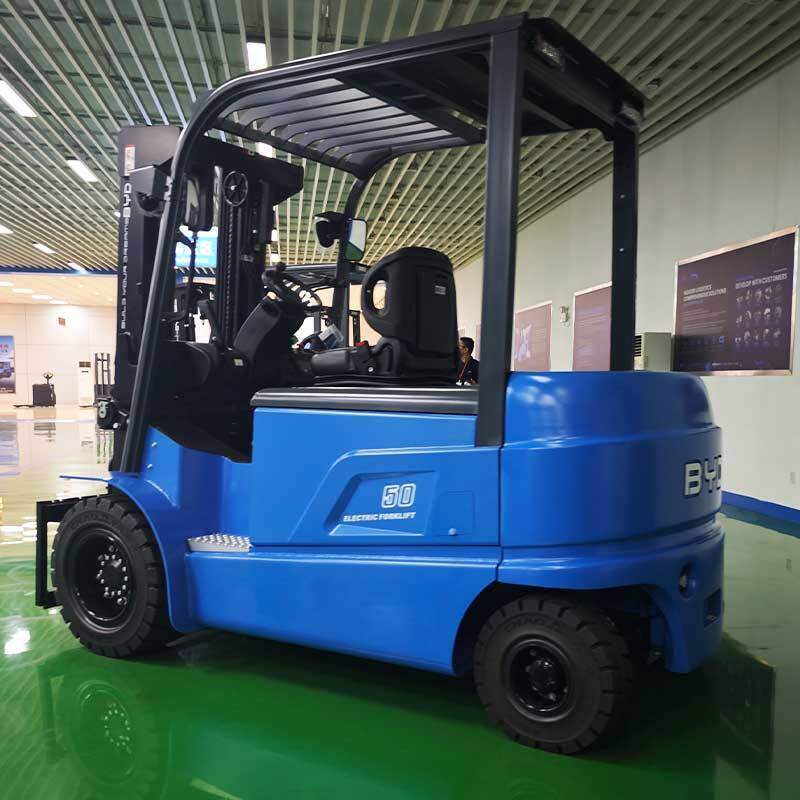
As the penetration rate of new energy material handling equipment keeps rising in industrial and storage scenarios, electric forklifts have become a core equipment choice for most logistics and production teams, due to their low noise, zero local emission and relatively low long-term operation cost. Mastering systematic use and management knowledge of electric forklifts can help teams give full play to the equipment’s inherent advantages in daily work.
Core Basic Operation Guidelines for Electric Forklifts
Before starting the equipment, operators need to complete necessary pre-drive checks, including confirming the remaining power level, testing the flexibility of lifting and steering components, and checking the integrity of safety protection structures such as handrails and warning lights. During the moving process, operators should keep the load center within the allowable range marked on the equipment nameplate, avoid sharp acceleration or sudden braking actions, and keep a safe distance from surrounding personnel and obstacles in the operation passage. When working in narrow warehouse aisles, operators need to adjust the running speed to a low level in advance, and avoid lifting the goods to an excessively high position when the forklift is moving, to prevent the risk of tipping.
Daily Routine Maintenance Points to Extend Service Life
Different from internal combustion forklifts, electric forklifts take power storage components and motor components as the core power supply system, so the maintenance focus is different. After each shift of operation, operators should wipe away the dust and residual cargo debris on the equipment surface, check the connection state of the power interface, and avoid long-term storage of the equipment in a state of full power or zero power for more than 72 hours. Regularly check the wear degree of walking wheels and hydraulic sealing parts, arrange targeted inspection and replacement in time according to the actual use frequency, which can effectively reduce the probability of sudden equipment failure during peak operation periods.
Scenario Adaptation Tips for Better Operational Output
For different application scenarios, the parameter adjustment and use method of electric forklifts can be adjusted appropriately. For low-temperature working environments, users can properly preheat the power system before formal operation, to avoid the situation that the power output cannot reach the standard level in a short time. For frequent high-intensity loading and unloading scenarios, arranging reasonable interval rest time for the equipment can help the heat dissipation system work more stably, avoiding continuous overload operation that causes additional loss of core components.


