
 English
 简体中文
简体中文 Русский
 Français
 Português
 Español

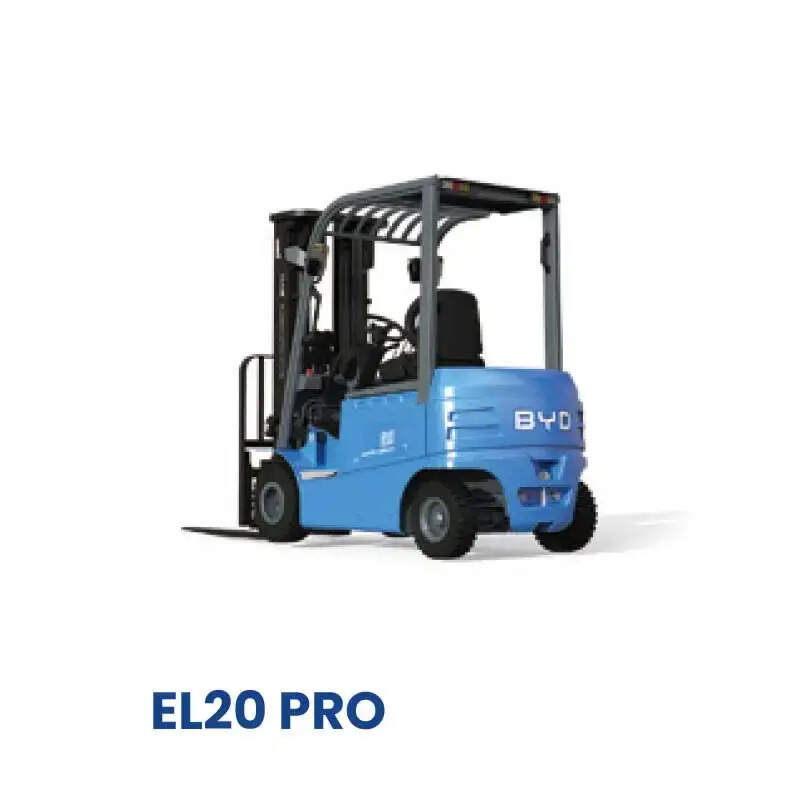
As low-carbon logistics and standardized warehouse management continuously develop globally, electric forklifts have become one of the most widely used core material handling equipment in indoor storage, manufacturing workshops and distribution centers, thanks to their low noise, zero tailpipe emission and relatively low long-term operation cost. Mastering standard operation rules and scientific maintenance methods can help enterprises maximize the use value of such equipment, and avoid unnecessary downtime caused by improper usage.
Standard Daily Operation Specifications
Before starting each shift, operators need to conduct a basic pre-check, including confirming the remaining power level, checking the flexibility of steering, braking and lifting systems, and verifying that the safety warning lights and horn function normally. During operation, operators should keep the load center within the allowable range specified by the equipment parameters, avoid sudden sharp turns or emergency brakes when carrying heavy goods, and never allow extra personnel to stand on the fork arms for lifting operations. When traveling in narrow warehouse aisles, operators should slow down in advance, and yield to pedestrian traffic priority at all blind corners and intersections.
Scientific Routine Maintenance Guidance
For the power system of electric forklifts, users should follow the official charging specifications, avoid deep discharge that drains the power below the recommended threshold, and place the equipment in a dry, well-ventilated area for charging to prevent moisture erosion on the internal circuit components. After each shift, operators need to wipe the dust and accumulated sundries on the body surface, fork arms and wheel hubs, and regularly check the wear degree of tires and transmission parts, to replace worn accessories in time before they cause potential safety hazards. It is not recommended to store the electric forklift in a high temperature environment for a long time during non-working periods, to extend the overall service life of the core components.
Efficiency and Safety Optimization Tips
To further improve the operation efficiency of the fleet, enterprises can arrange corresponding route planning for different operation scenarios in advance, reasonably distribute the handling tasks according to the load capacity of each electric forklift, and avoid overloaded operation for a long time. Regularly organize standardized training for new and old operators, to help them get familiar with the performance characteristics of the equipment, and form good operation habits. The combination of standardized management and proper maintenance can effectively reduce the overall operation cost of the material handling link, and create a safer working environment for frontline logistics personnel.


