English
 简体中文
 Русский
 Français
 Português
 Español


The forklift load chart is a core safety reference document that every operator must get familiar with before starting daily work, which records the clear corresponding relationship between different load weights, load center distances, lifting heights and allowable safety loads of the vehicle. Many operation safety accidents are caused by operators ignoring the detailed requirements on the load chart and operating the forklift by experience, so mastering the correct use rules of the load chart can effectively reduce unnecessary safety risks in the work process.
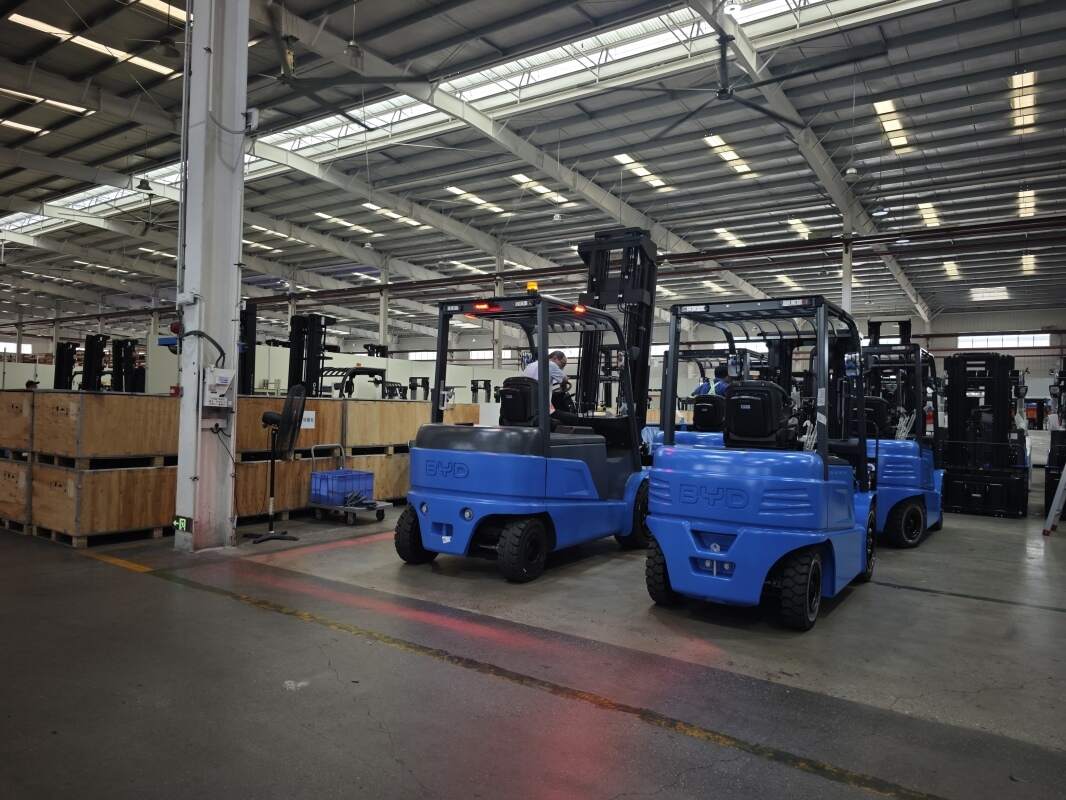
First of all, operators need to form the habit of checking the matching relationship between the actual cargo size and the load center distance first. Many new operators only refer to the rated load value marked on the nameplate, but ignore the fact that once the center of gravity of the cargo exceeds the standard load center distance specified in the load chart, the actual allowable load of the forklift will decrease accordingly. For example, when the length of the overhanging part of the cargo on both sides of the fork exceeds the specified size, even if the total weight of the cargo is lower than the rated load, there may still be a risk of vehicle rollover.
Then you need to pay attention to the adjustment of load limit under different lifting height conditions. The allowable load marked at the bottom area of the load chart usually corresponds to the state of low fork height, once the operation requires the fork to rise to a high position close to the top of the gantry, the allowable safe load will drop to a certain extent, and operators need to adjust the maximum weight of the carrying cargo according to the corresponding data on the load chart, rather than operating according to the maximum rated load under the low fork state. If the vehicle is installed with additional accessories such as clamps or barrel clamps, the counterweight state of the whole vehicle will also change, at this time, you need to refer to the updated load chart matched with the corresponding accessories, and can not use the original basic load chart of the standard vehicle for operation.
In daily work, you also need to check the integrity of the load chart regularly. The load chart posted on the obvious position of the forklift body should be kept clear and identifiable, if the content is blurred, peeled off or lost, the vehicle should be suspended from being put into use before the new matching load chart is pasted. It is not allowed to use the load chart of other different models of forklifts by mistake, which will cause the reference data to not match the actual vehicle parameters and bring hidden dangers to operation safety.
We are Jian Shu New Energy, focusing on BYD electric forklift related services. If you need further operation guidance or related supporting consultation, you can contact us via [email protected].