
 English
 简体中文
简体中文 Русский
 Français
 Português
 Español

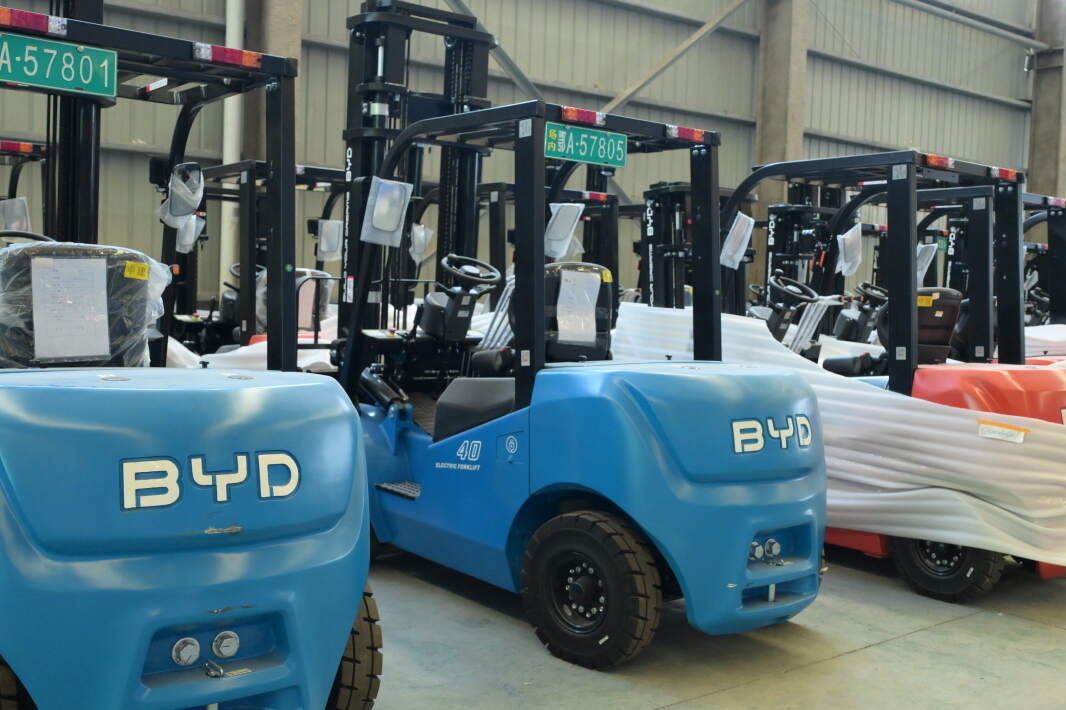
With the continuous promotion of green transformation in logistics and industrial sectors, electric forklifts have become one of the most widely used material handling equipment for both indoor and semi-open operation scenarios. Many frontline operators and facility managers still have space to improve their mastery of operation details and daily management skills, to fully tap the practical value of this type of equipment.
Core Performance Features of Modern Electric Forklifts
Compared with traditional internal combustion powered handling equipment, modern electric forklifts generate much lower noise during operation, and produce no exhaust emission at the operation site, which makes them more suitable for closed storage, food processing, pharmaceutical warehousing and other scenarios that have clear requirements for air quality and working environment. The smooth power output feature also lowers the learning threshold for new operators, and the long-term energy consumption cost stays at a relatively controllable level for most operation teams.
Key Daily Operation Specifications
Operators need to complete systematic training on corresponding operation specifications before taking post. Before each startup, they need to walk around the whole equipment to check the tire condition, braking system sensitivity and fork deformation status. Overloading operation is not recommended to avoid potential safety risks. When driving in narrow aisles, operators should honk in advance to send warning signals to nearby staff. When passing through wet ground or slopes with gradient exceeding the marked threshold of the equipment, they should move with extra caution. For long time parking, operators should pull up the hand brake, and lower the forks to the position close to the ground, to prevent accidental touch by unrelated people.
Standardized Routine Maintenance Protocols
Daily maintenance work does not require overly complicated operations. After each operation shift, operators are suggested to charge the equipment in time, instead of waiting for the battery to be fully drained before recharging. It is necessary to clean the accumulated dust and residual sundries on the equipment surface regularly, and check whether there is looseness or oxidation trace on circuit interfaces. After the equipment completes a certain duration of operation cycle, certified technical personnel can be arranged to carry out systematic inspection for the hydraulic system and drive motor, replace the wearing parts that have reached their service life properly. These measures can effectively extend the overall service life of the equipment, and reduce the probability of unplanned downtime.
Scenario-Based Application Optimization Tips
Operators can make small adjustments based on specific operation scenarios, to get better performance. For equipment that works in enclosed low-temperature cold storage for long periods, users can adjust the low temperature protection threshold of the circuit system properly, to reduce the negative impact of low temperature on battery performance. For warehouse scenarios with high-frequency short-distance handling, operation teams can plan driving routes reasonably in advance, reduce unnecessary detours, to further cut energy consumption and improve the overall material turnover efficiency.


