
 English
 简体中文
简体中文 Русский
 Français
 Português
 Español

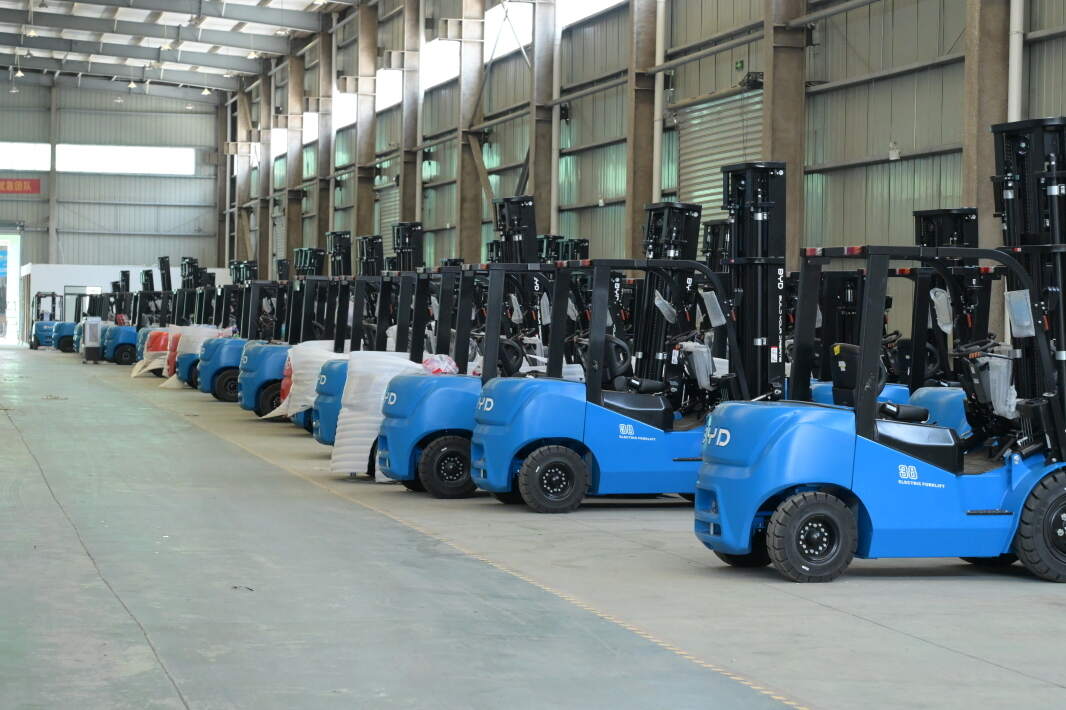
Stand-on electric pallet trucks are widely applied in low-intensity material handling scenarios in warehouses, retail distribution centers and manufacturing workshops. Their compact size and flexible operation greatly improve daily handling efficiency, but improper use or lack of risk awareness may lead to operator entrapment risks, which refer to situations where the operator’s body parts or loose clothing are squeezed between the truck body, surrounding working facilities and other hard objects, causing unnecessary operational injuries.
The first core measure is to complete full pre-operation inspection before each use. Every operator must conduct point-by-point safety checks after taking over the equipment, to confirm all safety guardrails around the operation standing platform are not loose or deformed, the emergency stop button on the control panel responds sensitively, the travel speed limit function works normally, and no protruding foreign object is stuck in the gap between the truck body and the standing area. If any hidden danger is found during the inspection, the equipment must not be put into use before professional maintenance personnel eliminate the fault completely.
The second measure is to standardize daily operation behaviors through systematic training. All operators must pass professional safety assessment before taking the post, they should keep their whole body within the marked safe standing boundary during the entire operation process, avoid leaning half of the body out of the guardrail to adjust stacked goods or check the surrounding environment, do not wear overly loose draped clothing that is easy to be caught by moving parts, and tie long hair up in a fixed position to prevent accidental hooking. When the equipment is running, operators should keep the driving speed matching the site road condition, slow down in narrow passages, turn the steering wheel smoothly, and avoid sharp steering that may make the body lose balance and shift out of the safe area.
The third measure is to optimize the operation site environment regularly. The work site management team should inspect all passing areas where stand-on electric pallet trucks operate on a scheduled basis, remove sharp protrusions, exposed steel structural parts and disorderly stacked goods on both sides of the passage, keep the minimum clearance between the passage side and the operation route of the truck no less than the safe distance specified in the equipment operation manual, set up obvious warning marks at the narrow passage entrance, and arrange on-site supervisors to remind operators to pass carefully during peak operation hours.
Enterprises can also organize monthly safety awareness drills for relevant operators, share typical entrapment risk cases to help staff master correct response methods when accidental body displacement occurs, press the emergency stop button at the first time, and form a good habit of actively checking hidden dangers in daily work.


