
 English
 简体中文
简体中文 Русский
 Français
 Português
 Español

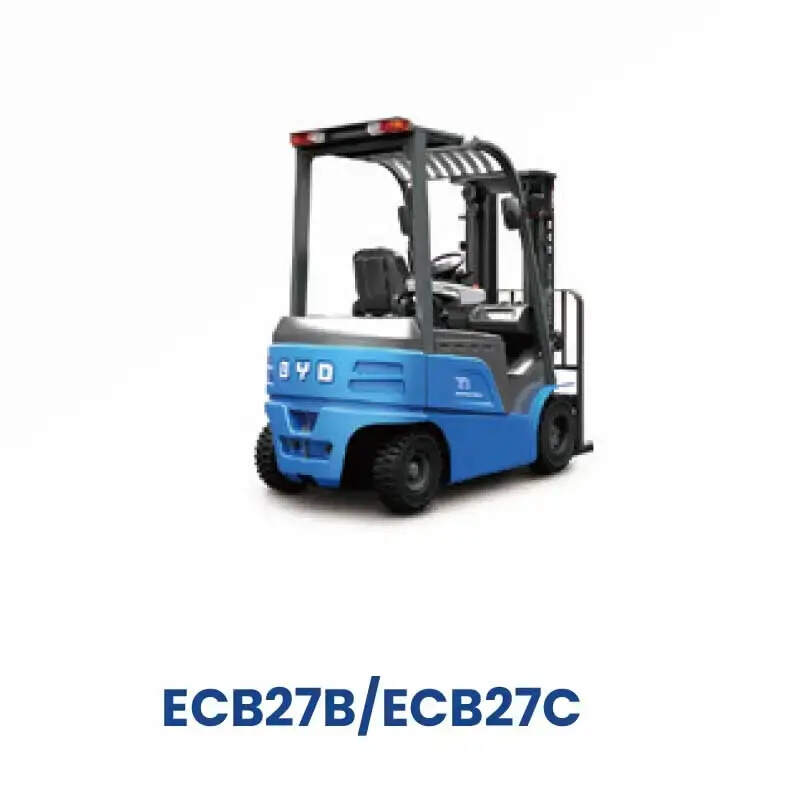
As low-carbon logistics and industrial material handling requirements keep rising, electric forklifts have been widely applied in warehouses, manufacturing workshops, cold chain storage and other scenarios for their low noise, zero on-site emission and relatively stable operation performance. Mastering correct operation and maintenance rules can help users give full play to the equipment’s advantages, reduce unnecessary operation risks and control overall use cost.
Core Safe Operation Guidelines for Daily Use
Before starting each shift, operators need to conduct a basic inspection on the equipment, covering braking system response, remaining power level, tire surface condition, and the flexibility of lifting and tilting components. All operators need to receive systematic professional training before independent operation, to get familiar with the basic performance parameters of the equipment. In the process of operation, users should avoid overloading the equipment beyond the rated load limit, keep a safe distance from surrounding personnel, shelves and other obstacles when driving in narrow channels. For ramp sections, keep the driving speed at a relatively low level, avoid sudden acceleration, sudden braking and sharp turning operations to reduce side slip or goods falling risks.
Rational Daily Maintenance Routine
Developing a regular maintenance schedule can effectively extend the whole service cycle of electric forklifts. For the energy storage unit, follow the official recommended charging specifications, avoid long-term over discharge and frequent overcharge, and carry out regular supplementary charging if the equipment will be idle for more than two weeks. For the hydraulic system, check the sealing condition of all oil pipelines regularly, clean up the leaked oil stains on the surface in time, and add proper amount of lubricating grease to all movable connection points according to the specified cycle. It is also necessary to clean up the dust, packaging debris and other sundries accumulated on the surface of the motor and heat dissipation structure regularly, to avoid blocking the heat dissipation channel and affecting the normal operation of the equipment.
Scenario-based Performance Optimization Suggestions
Different application scenarios have different environmental characteristics, so users can make small targeted adjustments to the equipment usage mode to get better use effect. For low temperature scenarios such as cold chain storage, take necessary anti-freeze protection measures for key components before long time operation. For scenarios with high floating dust concentration, shorten the cleaning and replacement cycle of the air filter element appropriately. In the daily scheduling process, plan the material handling route reasonably to reduce invalid back and forth driving, so as to cut down unnecessary energy consumption and improve the overall operation efficiency.


