
 English
 简体中文
简体中文 Русский
 Français
 Português
 Español

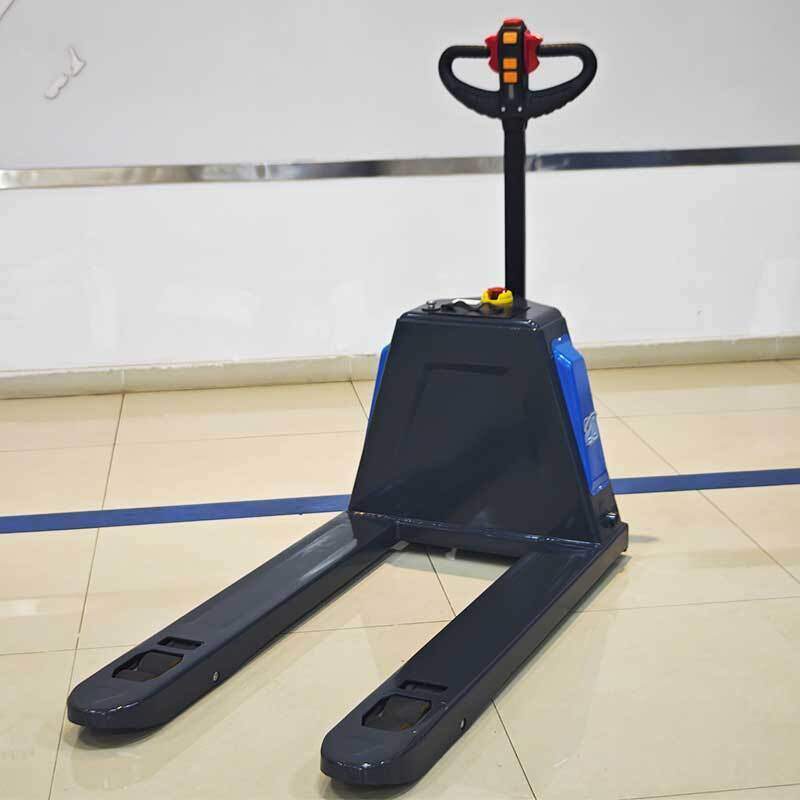
Electric forklifts have become one of the most widely applied material handling equipment in modern warehousing, manufacturing and distribution scenarios, with advantages of low noise, zero local emissions and relatively low long-term operation cost. For frontline operation teams and facility managers, mastering scientific operation and maintenance rules can effectively extend equipment service life, reduce unexpected downtime and create smoother workflow for indoor logistics links.
Core Pre-operation Check Specifications
Before each shift starts, operators need to complete a series of standardized inspection procedures rather than directly start the device. The check scope covers the power system status, brake sensitivity, lifting chain tightness, tire wear degree, and the normal operation of all warning lights and safety alarms. Any abnormal condition found during the check should be recorded timely and reported to the management team, instead of operating the equipment with hidden risks to avoid unnecessary safety hazards.
Standard Daily Operation Guidelines
During the operation process, operators need to strictly follow the rated load limit of the equipment, avoid overloading for a long time to prevent extra pressure on the lifting structure and power system. When driving in narrow warehouse aisles, operators need to control the driving speed within a safe range, keep a safe distance from surrounding shelves, personnel and other operation equipment, and avoid sudden steering or emergency braking under high load state. For high-lifting operation scenarios, operators need to adjust the mast to a proper backward tilt angle to keep the loaded goods stable during the moving process.
Routine Maintenance and Care Tips
After each shift ends, operators need to park the electric forklift at the designated position, lower the lifting fork to completely contact with the ground, cut off the power supply properly, and clean up the dust and sundries attached to the vehicle body, especially the dirt accumulated on the heat dissipation structure and power interface. The power module should be charged in the designated ventilation area, follow the corresponding charging process requirements, and avoid over-discharging or overcharging the battery pack for a long time. Regularly lubricate the movable connecting parts of the equipment according to the specified cycle, to reduce the friction loss of mechanical components during operation.
Long-term Performance Optimization Suggestions
Facility managers can arrange regular professional inspection for all electric forklifts at a fixed cycle, to troubleshoot potential hidden risks that are not easy to be found in daily checks. Combining the actual operation data of each vehicle, the team can also make targeted operation training for different operators, to help everyone form more standardized operation habits, further reduce equipment wear rate, and create a more stable and efficient indoor material handling environment.


