
 English
 简体中文
简体中文 Русский
 Français
 Português
 Español

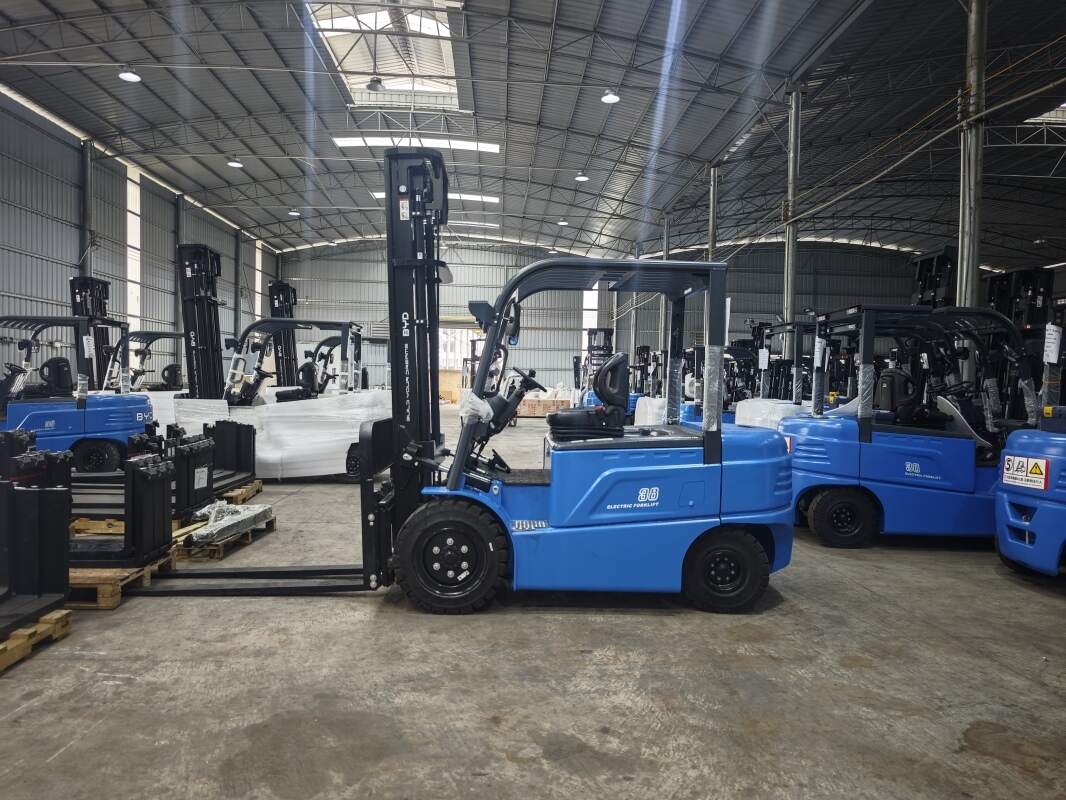
Against the background of low-carbon development of modern industrial logistics, electric forklifts have gradually become one of the most commonly used material handling equipment in various warehousing scenarios, with wide coverage from small e-commerce sorting centers to large heavy cargo storage yards. Many operators still lack systematic cognition of the correct use and value mining of such equipment, so this guide sorts out practical professional contents for reference.
Core Functional Advantages of Electric Forklifts
Different from traditional internal combustion handling equipment, electric forklifts rely on electric power drive, which produces no tail gas emission during the whole operation process, and is more suitable for closed indoor storage scenarios with high requirements for ambient air quality. The overall operation noise of the equipment is kept at a relatively low level, which will not cause continuous noise interference to surrounding staff working for a long time, and the comfort of long-term operation for drivers is also significantly improved. The energy consumption cost per unit operation hour is lower than that of fuel-driven equipment, which can effectively control the daily operation expenditure of logistics teams.
Standardized Operation Specifications for Daily Use
Before each formal shift operation, operators need to check the power remaining level of the equipment, the flexibility of the lifting hydraulic system, and the sensitivity of the braking and steering components, and confirm that there is no abnormal condition before starting the operation. During the handling process, the load weight should be controlled within the rated load range specified by the equipment parameter, avoid over-height lifting of goods when driving, and keep a safe distance from surrounding shelves, staff and other operation equipment. When the operation is finished, the equipment should be parked at the designated position, the fork should be lowered to the horizontal position close to the ground, and the power supply should be cut off completely.
Routine Maintenance Suggestions for Long-term Use
Daily cleaning of the surface and internal dust of the equipment can avoid the accumulation of debris affecting the normal operation of the moving parts. The power module should be charged in accordance with the specified operation requirements, avoid over-discharge and over-charge for a long time, and regularly check the wear condition of tire and transmission components. The standardized daily maintenance can effectively reduce the frequency of unexpected failures, extend the overall service life of the equipment, and create more stable value for the daily material handling work of the warehouse.


