
 English
 简体中文
简体中文 Русский
 Français
 Português
 Español

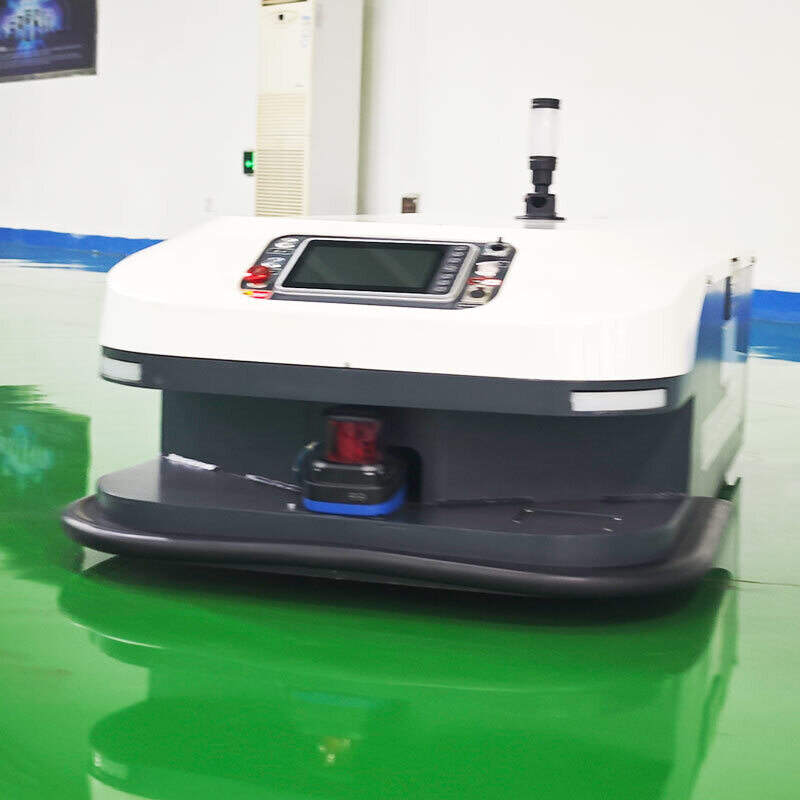
Electric pallet trucks are widely used in modern warehousing, logistics and manufacturing scenarios for short-distance cargo transportation, whose operation safety is directly related to the personal safety of on-site staff and the stability of daily operation order. As a core inspection item in regular safety audits, brake-reaction testing aims to verify the response sensitivity and stability of the whole brake system under different working conditions, so as to eliminate hidden safety risks caused by delayed brake response in advance.
Before starting the formal brake-reaction testing, relevant staff shall complete sufficient pre-preparation work to avoid invalid test data and unnecessary safety hazards. First, move the to-be-tested electric pallet truck to a flat, dry test area without sundries and barriers within a designated independent zone, evacuate all irrelevant personnel within 3 meters around the test route. Next, confirm the power level of the electric pallet truck is kept in the normal working range specified by the operation manual, and conduct a preliminary visual inspection on the brake pedal, brake contact surface and related connecting parts to rule out obvious damage or abnormal wear visible to the naked eye.
The formal testing process shall be carried out in strict accordance with uniform and repeatable operation specifications. First, complete the test under no-load condition: the certified operator drives the pallet truck to run at several common traveling speeds in daily work, triggers the full brake mechanism at the predetermined mark point, and uses professional timing and ranging tools to record the whole duration from the brake trigger to the complete stop of the vehicle, as well as the actual sliding distance during the braking process. Each speed test shall be repeated no less than 3 times, and abnormal data caused by misoperation shall be excluded to calculate the effective average value. After that, load the pallet truck with standard test weights up to the specified percentage of its rated load, and repeat the multi-round test procedure to record brake-reaction data under different load conditions.
In the safety audit link, the collected test data shall be compared with local industrial material handling vehicle safety management specifications for compliance judgment. The brake-reaction duration under all test conditions shall not exceed the allowable threshold, and no abnormal conditions such as vehicle deviation, obvious stutter or brake failure trend shall appear during the braking process. Once any index fails to meet the requirements, the corresponding equipment shall be marked as unavailable, and shall not be put into daily operation before targeted maintenance and passing the re-test.
After the test, all effective data shall be archived into the safety audit file of the corresponding equipment for subsequent trace check. Regular development of standardized brake-reaction testing for electric pallet trucks can help enterprise safety management teams identify potential hidden faults of brake components in advance, effectively reduce the occurrence rate of collision, slipping and other safety accidents in daily material handling operations.


