
 English
 简体中文
简体中文 Русский
 Français
 Português
 Español

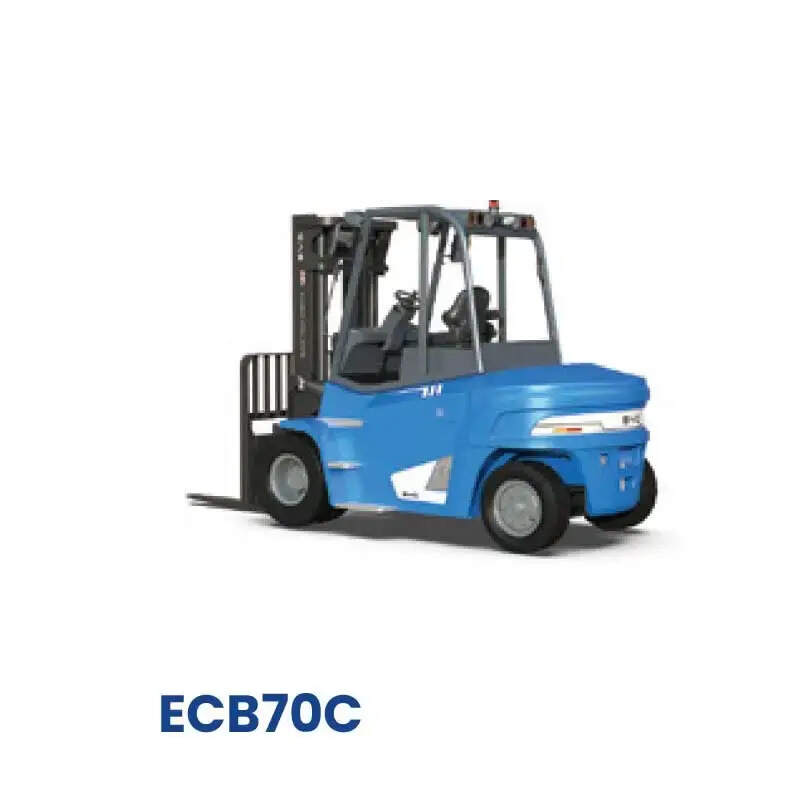
As low-carbon logistics becomes the mainstream trend in the industrial sector, electric forklifts have gradually become the preferred material handling equipment for most warehouse, manufacturing and distribution scenarios, replacing a large share of traditional internal combustion counterparts in recent years. For frontline operators and warehouse managers, mastering systematic knowledge of electric forklift application helps reduce unnecessary loss and improve overall operational efficiency.
Core Advantages of Modern Electric Forklifts
Unlike internal combustion forklifts that rely on fossil fuel, electric forklifts generate power from on-board battery packs, which produces zero on-site exhaust emission during operation. Most models run at relatively low noise levels, which creates a more comfortable working environment for staff operating in enclosed warehouse spaces, and complies with increasingly strict indoor environmental protection regulations. The energy consumption cost per unit running hour of qualified electric forklifts is usually lower than that of fuel-driven models after long-term use, which brings stable cost control effect for enterprises with high frequency material handling demands.
Standardized Daily Operation Specifications
Operators need to complete pre-job assessment and related skill training before driving electric forklifts, to avoid misoperation caused by unfamiliarity with control systems. Before each shift, staff should check the remaining battery level, the flexibility of lifting and tilting mechanisms, and the sensitivity of brake and steering systems to eliminate hidden risks in advance. During operation, operators should keep the load center within the allowable range marked on the equipment nameplate, avoid sharp turning on sloped ground, and do not carry extra personnel on the working platform of the forklift at any time.
Routine Maintenance Tips to Extend Service Life
Regular maintenance work can effectively extend the overall service cycle of electric forklifts and reduce unplanned downtime. Staff should follow the official operation manual to complete daily cleaning of the body, regularly check the wear degree of tires and transmission parts, and arrange professional personnel to complete regular inspection of battery performance and motor operating status. Avoid over-discharging the battery for a long time, and arrange charging work in time when the remaining power drops to the recommended threshold, which can maintain the stable performance of the battery pack for a longer period.
Scenario Matching Efficiency Optimization
Different working scenarios have different demands for electric forklift parameters such as load capacity, maximum lifting height and body turning radius. For narrow aisle warehouses, operators can choose matched models with small body size to improve the utilization rate of storage space. For outdoor working scenes on flat and solid ground, properly configured electric forklifts can also complete most of the frequent material handling tasks, achieving balanced performance between energy consumption and working efficiency.


