
 English
 简体中文
简体中文 Русский
 Français
 Português
 Español

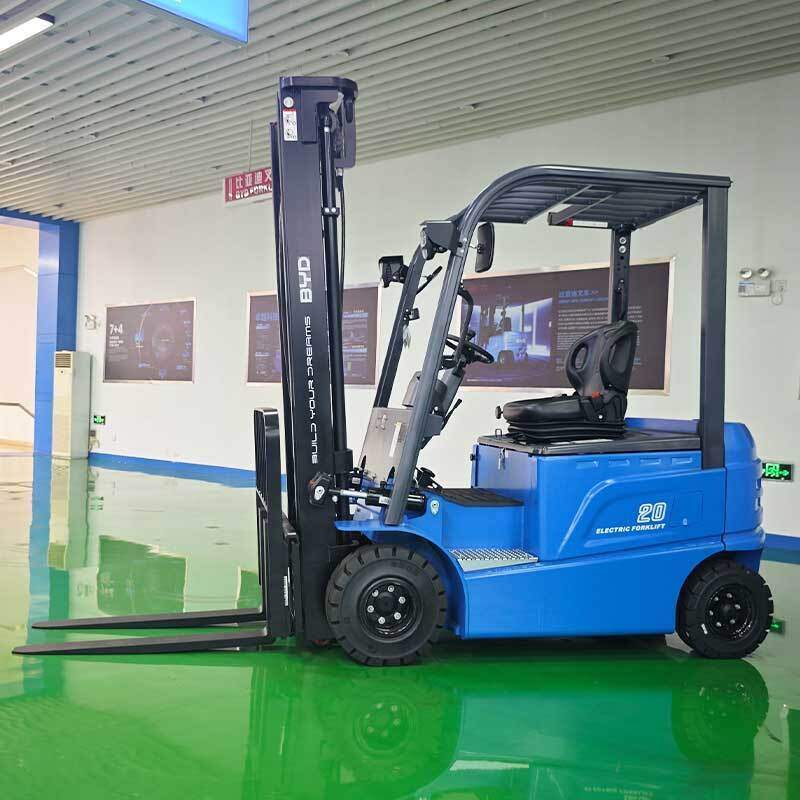
As the logistics and warehousing industry continues to pursue low-carbon operation and long-term cost control, electric forklifts have gradually become one of the most widely used material handling equipment in different industrial scenarios. Mastering the core knowledge related to electric forklifts can help relevant practitioners give full play to the performance of the equipment and avoid unnecessary operation risks.
Core Application Scenarios of Electric Forklifts
Different from traditional internal combustion handling equipment, electric forklifts produce no tail gas emission during operation, and the overall noise level is controlled at a relatively low range. This feature makes it very suitable for closed indoor warehouse, food processing workshop, pharmaceutical storage area and other scenarios that have strict requirements for environmental indicators. The adjustable load weight and telescopic lifting height can also meet the handling demands of different goods from small parcels to heavy pallet cargos, which can adapt to the operation needs of most conventional industrial storage spaces.
Standardized Operation Norms for Daily Use
Before starting the equipment, operators need to complete a full inspection of the power status, brake system, tire wear condition and fork deformation status, and confirm that there is no hidden danger before formal operation. During the operation process, it is not allowed to overload the equipment for handling, and you need to keep a safe distance from surrounding personnel and shelves to avoid accidental collision. When the equipment is not in use, the fork should be lowered to the horizontal position close to the ground, and the power supply should be cut off properly to avoid mistaken touch by irrelevant personnel.
Scientific Daily Maintenance Suggestions
The electric power system of the equipment is the core part that determines its service life, so regular cleaning of the dust on the surface of the power module and checking the stability of the wiring interface can effectively reduce the failure rate. Users should arrange professional personnel to complete the maintenance work according to the parameters specified in the official product manual, and do not disassemble the internal components of the power and drive system without professional guidance. Correct maintenance habits can extend the service cycle of the equipment to a large extent, and reduce the comprehensive usage cost for the operation team.


