
 English
 简体中文
简体中文 Русский
 Français
 Português
 Español

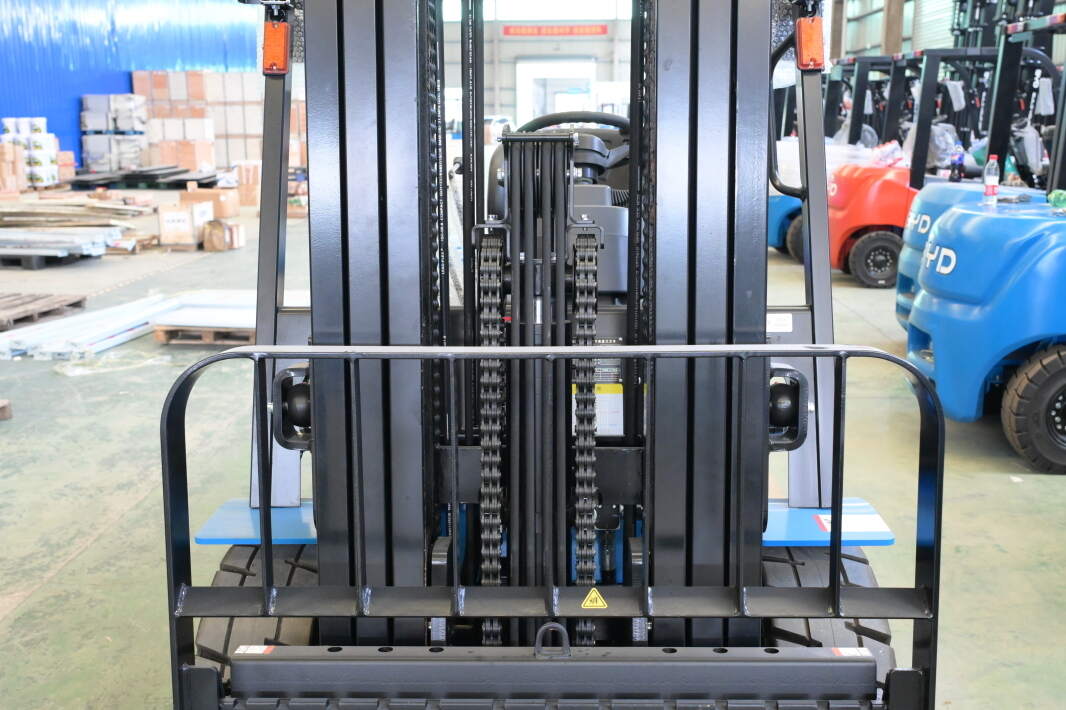
For most continuous manufacturing enterprises that run three-shift non-stop production arrangements, stable and efficient material handling capacity is one of the core supports to ensure continuous production rhythm. A large number of frontline production managers have reported that traditional material handling equipment often faces problems such as unexpected power shortage in the middle of the second shift, long battery replacement or charging time during handover, and high daily maintenance workload, which will indirectly cause unplanned downtime of production lines and increase the overall operation cost.
This case study is based on the 6-month continuous operation data of BYD lithium-ion forklifts deployed in a typical three-shift continuous processing plant. Before the deployment, the plant arranged a complete set of handling equipment to support the daily raw material delivery, semi-finished product transfer and finished product outbound work, and the unplanned downtime caused by power problems of handling equipment exceeded 12 hours per month on average, and the daily maintenance work of the equipment occupied 12% of the total equipment maintenance manpower.
After completing the deployment of BYD lithium-ion forklifts and matching the corresponding operation guidance for shift workers, the operation status of on-site material handling has been significantly optimized. The equipment can support more than 8 hours of full-load continuous operation in a single shift, and workers can complete short-term opportunity charging during the regular 15-minute break in each shift, no additional independent battery replacement area or special charging room is required, saving nearly 20 square meters of production auxiliary space. The statistics of 6 months after operation show that the completion rate of material handling tasks per shift has increased by around 15%, and the unplanned production line shutdown time caused by insufficient power of handling equipment has dropped by nearly 90%. The daily maintenance work of the forklift does not involve frequent liquid supplement and other tedious operations, which greatly reduces the labor input of equipment maintenance personnel.
For multi-shift continuous manufacturing plants in different segments, this case can provide practical and referable optimization ideas. Plant managers can select the appropriate specification of BYD lithium-ion forklifts according to the actual load requirements, operation routes and daily total handling volume of the site, and make a reasonable opportunity charging plan combined with the existing shift handover and staff rest rules, so as to avoid disrupting the original production rhythm, and steadily reduce the comprehensive operation cost of material handling in the long-term continuous operation process.


