
 English
 简体中文
简体中文 Русский
 Français
 Português
 Español

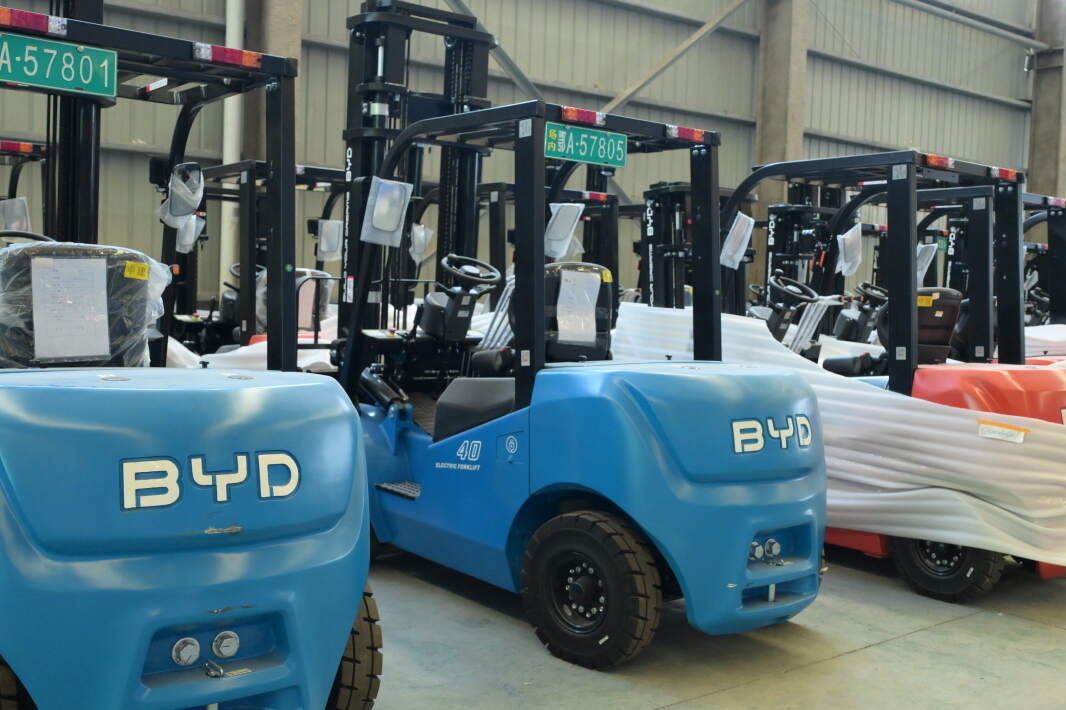
As low-carbon operation concepts continue to penetrate the industrial material handling field, electric forklifts have gradually become one of the most widely used handling equipment in modern warehouses, manufacturing workshops and distribution centers. Mastering the core characteristics, operation norms and maintenance logic of such equipment can help relevant practitioners give full play to its use value under different working conditions.
Core Performance Characteristics of Electric Forklifts in Practical Use
Different from internal combustion handling equipment, electric forklifts rely on on-board power battery packs to provide power output, which will not produce tail gas emissions during the full operation process, and the overall noise level during driving and cargo handling is significantly lower than that of traditional fuel equipment. Such equipment is more suitable for closed operation spaces such as indoor warehouses, food processing workshops, and pharmaceutical storage areas that have clear requirements for air quality and working environment comfort. Its power output curve is smoother when carrying loads, and the lifting and descending speed of the gantry can be adjusted more accurately according to actual load weight, which can reduce the risk of cargo collision and damage during handling to a certain extent.
Standardized Daily Operation Specifications
Operators need to receive professional pre-job skill training before officially using electric forklifts, and conduct necessary pre-use inspections on core components including tire pressure, brake sensitivity, power battery remaining power, and lifting gantry lubrication status before each start-up. During the operation process, operators should avoid sharp steering or sudden acceleration when the equipment is in a fully loaded state, and keep the cargo gantry at a reasonable tilting angle according to the height of the stacking position to prevent the cargo from slipping or tipping over. When the equipment is running on a sloped section, the operator should keep the cargo facing the uphill direction and avoid turning on the slope to ensure the stability of the vehicle body.
Key Points of Conventional Daily Maintenance
The conventional maintenance work of electric forklifts can be divided into daily on-shift inspection, weekly component inspection and regular seasonal maintenance. For the power battery part, operators should choose the matching charging equipment that meets the specification requirements for charging, and avoid over-discharging or over-charging the battery pack for a long time, which will affect the overall service life of the battery. The dust and debris accumulated on the surface of the motor and electric control system should be cleaned regularly, and the connection tightness of each wiring terminal should be checked to avoid hidden troubles such as poor contact caused by long-term vibration of the vehicle body. Regular maintenance following the official specification requirements can effectively extend the stable service cycle of the equipment.


