
 English
 简体中文
 Русский
 Français
 Português
 Español


Racking impact sensors are widely used in modern intelligent warehouses to reduce hidden safety risks caused by accidental collisions between forklifts and storage racks. Many warehouse operation managers have doubts about the actual use effect of such devices, and the following content sorts out targeted answers to common questions for your reference.
First, what are the core functions of standard racking impact sensors?
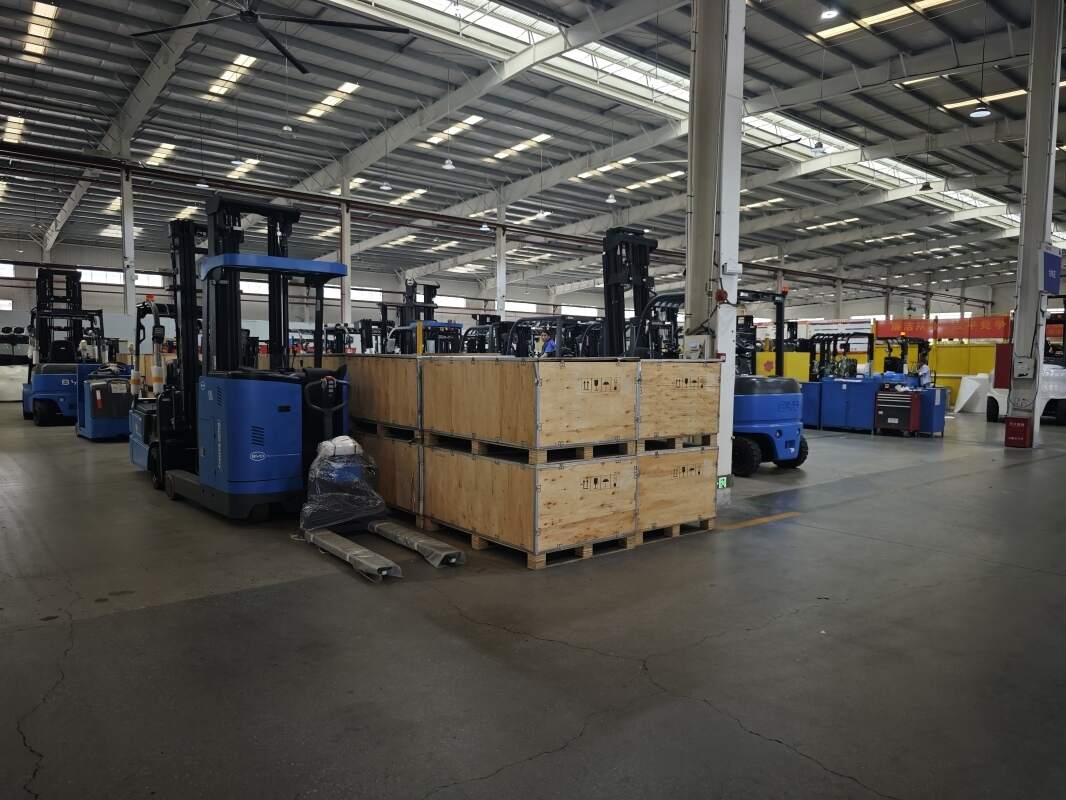
Standard qualified racking impact sensors can accurately identify impact force values beyond the preset safety threshold, send out audible and visual alarms in time to remind nearby operators to check the collision point, and automatically record the corresponding time, impact intensity and location information of the event. This can help operation teams find hidden deformation risks of racks in time, avoid potential safety hazards such as partial collapse of racks caused by unrecorded minor collisions, and no additional complicated operation procedures are needed for on-site staff.
Second, can racking impact sensors adapt to different electric forklift operation scenarios?
Most regular products support flexible adjustment of sensitivity parameters according to actual operation conditions, which can adapt to multiple common warehouse scenarios. For narrow-channel high-level rack warehouses with small operation space, the sensitivity can be adjusted to a relatively high level to capture subtle abnormal impacts. For heavy-load operation scenarios where goods often accidentally touch the support leg of racks, the threshold can be adjusted appropriately to avoid frequent false alarms. It can also operate stably in low-temperature cold storage, high-dust distribution centers and other special working environments.
Third, what are the key points of daily maintenance for racking impact sensors?
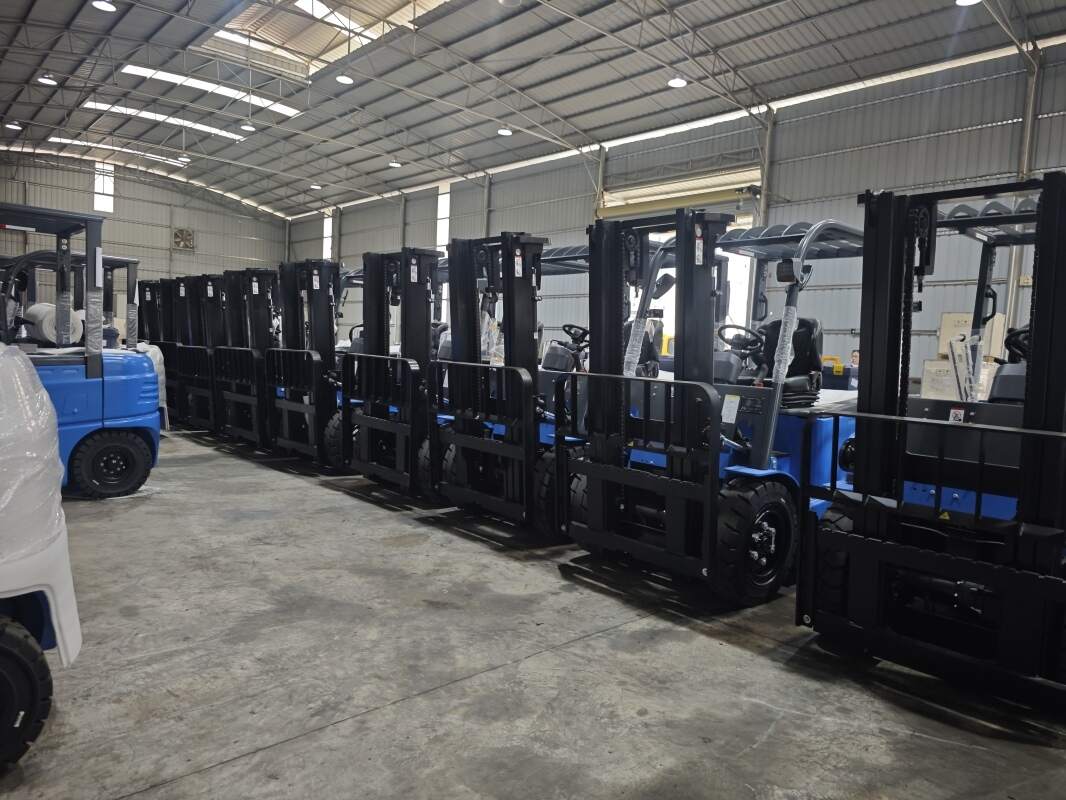
The routine maintenance process is not complicated. Operation staff only need to regularly wipe the dust and sundries on the sensor surface to avoid blocking the sensing area. It is recommended to carry out a sensitivity calibration once a month to ensure that the detection performance remains in a normal state. After a large-intensity collision occurs in the warehouse, the maintenance personnel should check the fixed state of the impacted sensor in time to ensure that it does not loose or shift. It is not recommended to disassemble the internal core parts of the sensor without professional guidance.
Fourth, will the installation of racking impact sensors reduce the normal operation efficiency of the warehouse?
Products that meet the industry usage standards will not interfere with the normal operation rhythm of electric forklifts. The sensor will not trigger an alarm when encountering normal slight contact that does not reach the safety impact threshold, and will not cause unnecessary interruptions to the handling and storage operation process. The data recorded by the sensor can also help the management team optimize the driving route of electric forklifts, and further improve the overall operation safety and efficiency of the warehouse in the long run.
As a professional provider of related warehouse safety supporting services, Jiashu New Energy focuses on BYD electric forklift related supporting solutions. If you have further questions about racking impact sensor selection, configuration and supporting services, please send an email to [email protected] to get professional targeted consultation.


