
 English
 简体中文
 Русский
 Français
 Português
 Español


PE electric forklift has become one of the most widely applied material handling equipment for modern warehouses, manufacturing yards and logistics parks, thanks to its low noise, zero local emission and low operation cost features. This practical guide covers core practical points from scenario matching, standard operation to routine maintenance, to help users get stable and long-term return from their equipment investment.
First, the scenario-based selection tip is the first step to get proper PE forklift solutions. Before making the procurement decision, users need to sort out core operation parameters including average daily operation hours, maximum loading weight of regular goods, passage width of the operation site, and maximum lifting height requirement. For narrow channel warehousing scenarios, compact body models are recommended to make full use of limited storage space; for mixed indoor and outdoor operation scenarios, models with good dustproof and waterproof performance and long cycle battery life can avoid frequent charging interruptions. There is no need to pursue excessive redundant parameters beyond actual demands, which will cause unnecessary cost waste.
Second, standardized operation rules effectively reduce operation risk and extend equipment service life. All operators need to receive systematic training before taking posts, and complete pre-operation checks including brake sensitivity, tire condition, power level and fork surface integrity before each shift. During operation, overloading is strictly prohibited, sharp steering action is not allowed when the goods are lifted to a high position, the driving speed should be reduced appropriately when passing ramps and uneven roads, and no irrelevant personnel are allowed to stand on the forks or the pallet together with the lifted goods.
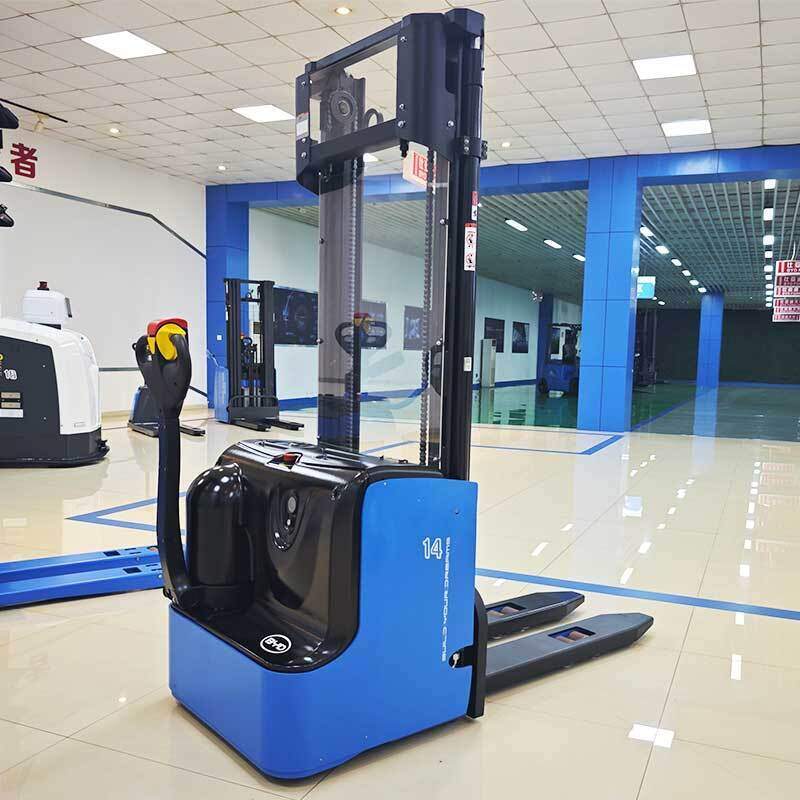
Third, standardized daily maintenance further reduces long-term operation cost. After each shift, operators can simply wipe the dust and sundries accumulated on the body and the battery surface, avoid leaving the equipment in a fully discharged state for a long time. For equipment that is left idle for more than one week, it is necessary to arrange supplementary charging every 10 to 14 days, and store the equipment in a dry and ventilated environment away from direct sunlight.
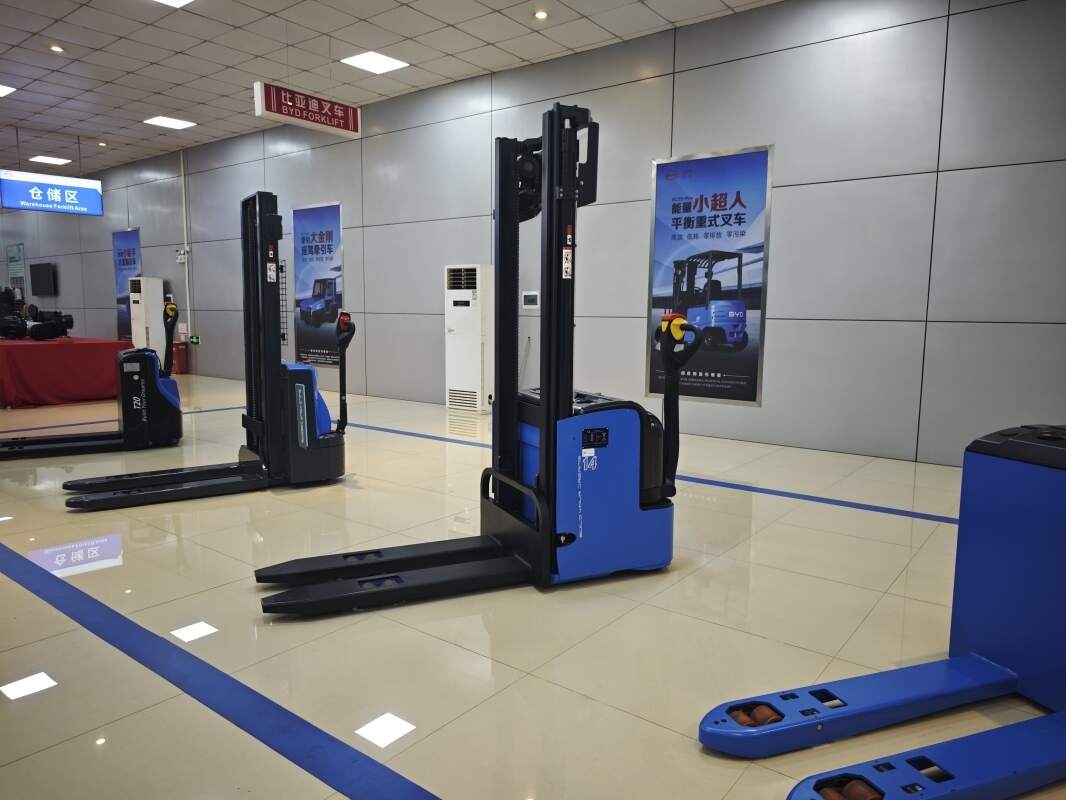
As a professional new energy material handling equipment service provider, we are Jianshu New Energy, focusing on BYD electric forklift products. If you have any demand for PE forklift consultation, scheme customization or after-sales service, please send emails to [email protected] for further communication.


