
 English
 简体中文
简体中文 Русский
 Français
 Português
 Español

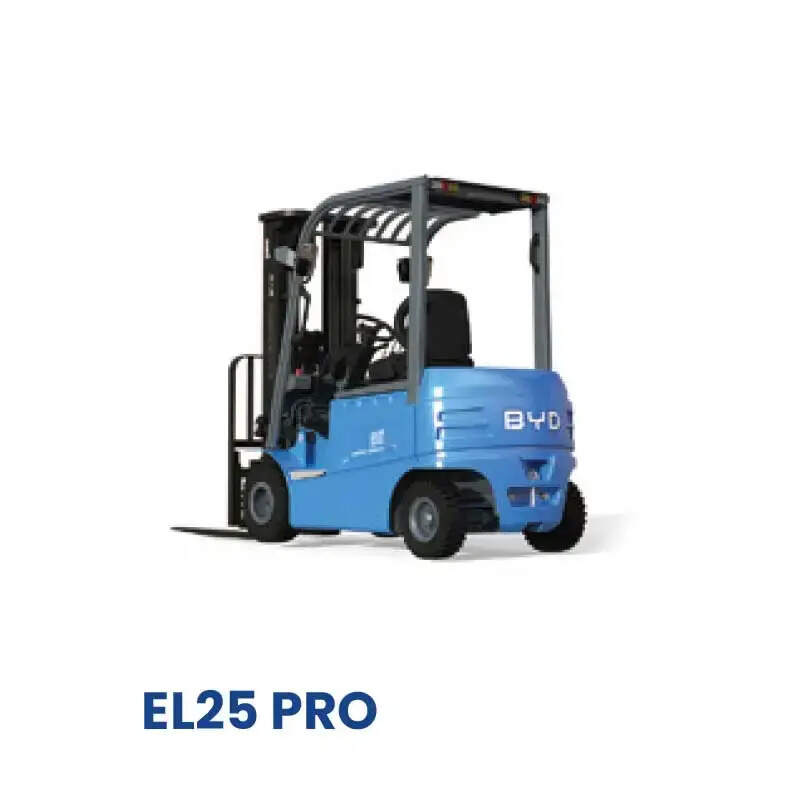
Against the backdrop of accelerating low-carbon transformation in the material handling industry, electric forklifts have been widely deployed in scenarios such as standard warehouses, manufacturing production lines, and cold chain storage in recent years. As the operation density of forklift teams keeps rising, the iteration of operator-assistance and safety systems has gradually become a core concern for end users and equipment developers, moving past the traditional mode that relies excessively on the experience of frontline operators to build a more reliable active safety guarantee system.
The first notable development trend lies in the optimized dynamic environment perception function. Equipped with multi-sensor fusion modules, modern electric forklift safety systems can identify surrounding pedestrians, stray obstacles, and narrow passage spacing in real time, and make adaptive adjustments instead of only sending out passive alarms. For example, the system can automatically limit the traveling speed according to the distance from obstacles, and assist operators in calibrating the height and tilt angle of forks during cargo picking and placing processes, effectively reducing the probability of cargo falling or side collision accidents without adding extra operation burden.
The second trend focuses on lightweight human-machine interaction design. New generation assistance systems no longer adopt complex multi-function panel design that requires frequent operator distraction. Instead, it transmits key safety reminders through head-up display prompt, seat vibration feedback and other non-intrusive methods, so that operators can keep full attention on current handling tasks while receiving risk warnings in time. The system can also automatically sort out daily operation data, generate non-punitive safety optimization reports for operation teams, helping managers identify potential unsafe operation habits and make targeted training arrangements.
The third trend is the scenario-adaptive customization of safety functions. Modern systems can switch to matching protection modes for different special operation scenarios, including low-temperature cold storage, narrow aisle high rack warehouses, and heavy load unloading platforms. For cold storage scenarios, the system will automatically adjust the working frequency of sensor defogging modules to ensure stable perception performance; for high-level order picking scenarios, it will lock the maximum allowable traveling speed to match the operation requirements of high-altitude working conditions.
All the above technological trends aim to provide reliable support for operators rather than replace their subjective judgment. With the popularization of these mature and practical safety assistance functions, the overall operation risk of electric forklift fleets will be further reduced, and the physical fatigue of frontline operators in long shifts can also be relieved, helping the whole material handling industry achieve a balanced development of operation efficiency and safety performance.


