
 English
 简体中文
 Русский
 Français
 Português
 Español


In recent years, Uganda’s logistics, manufacturing, agricultural processing and warehousing sectors have maintained steady growth, driving rising market demand for stable, cost-effective material handling equipment. Four-wheel forklifts are widely used in various industrial scenarios due to their strong load capacity and operational stability, while most local enterprises tend to only focus on the initial procurement price when making purchase decisions, ignoring the total cost of ownership (TCO) covering the full lifecycle of the equipment, which often leads to higher hidden costs in long-term operation.
The first core component of four-wheel forklift TCO is the upfront procurement cost. Apart from the base price of the equipment itself, this part also includes necessary certification procedures that conform to local Ugandan industrial safety standards, pre-configurations adapted to local high-temperature and high-dust operation environments, and initial operator training services. Choosing equipment that matches actual working scenarios can avoid additional transformation costs after equipment entry.
The second major part of TCO is daily operation cost. For traditional fuel-powered four-wheel forklifts, the fluctuation of local oil price in Uganda will bring unpredictable expenditure, while new energy electric four-wheel forklifts can control the energy consumption cost per working hour at a far lower level, which can save nearly 70% of energy-related expenditure compared with fuel models under the same working intensity, bringing long-term stable cost control effect.
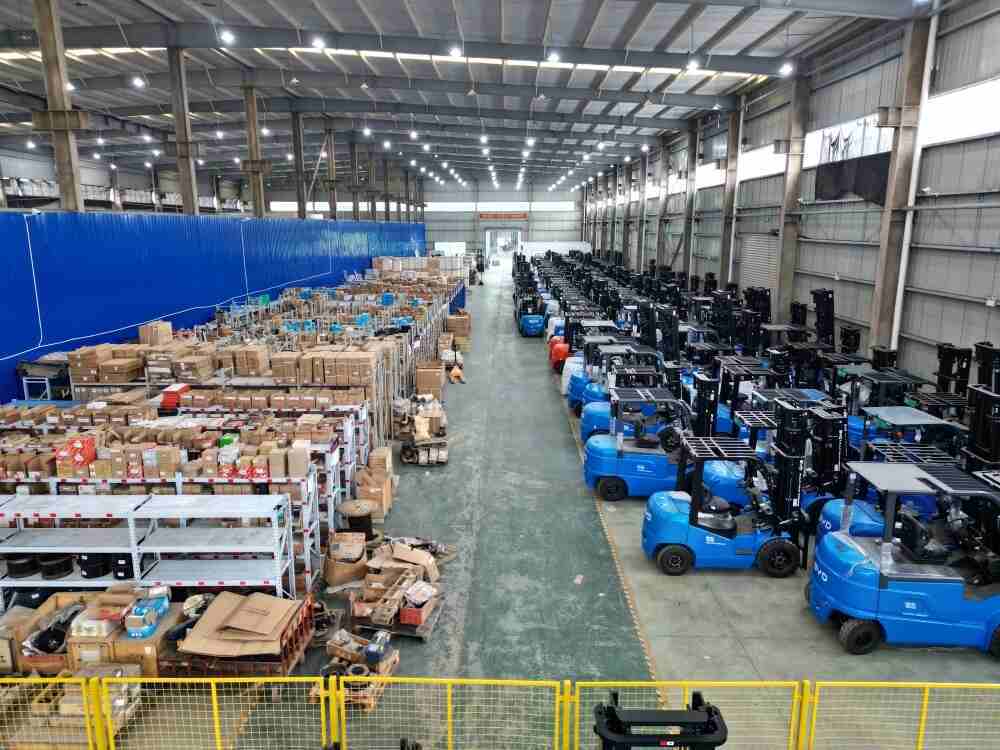
The third part is maintenance and after-sales support cost. Electric four-wheel forklifts have far fewer wearing moving parts than fuel products, no need for regular replacement of engine-related oil, filter and vulnerable parts, and the maintenance cycle is extended by 2 to 3 times compared with fuel forklifts. Lower failure rate also reduces the downtime loss caused by equipment failure, which is a non-negligible part of TCO for enterprises with continuous production demands.
The last part that is easy to be ignored is the residual value of the equipment at the end of the lifecycle. High-quality well-maintained electric four-wheel forklifts can still maintain a good residual value after 8 to 10 years of normal use, which is higher than that of fuel forklifts of the same service life, further reducing the comprehensive TCO of the whole cycle.
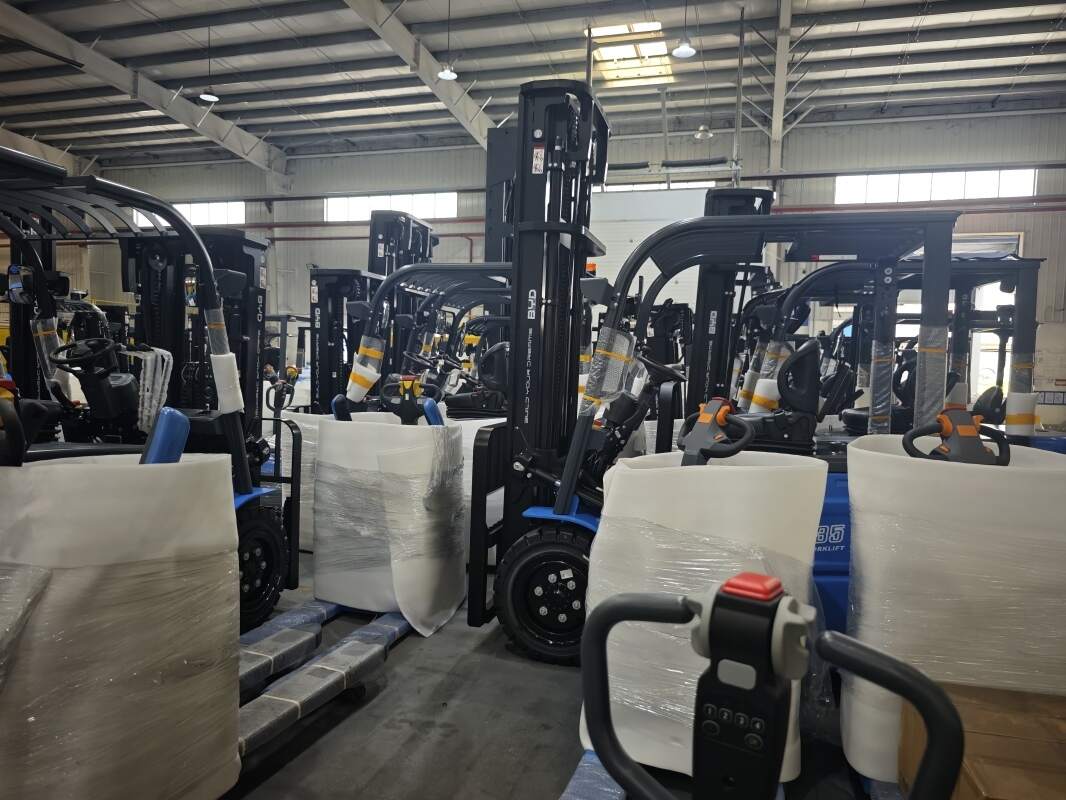
As Jianshu New Energy, we focus on BYD electric forklifts, and can provide Ugandan local enterprises with personalized full-lifecycle TCO calculation and matching equipment selection solutions. If you have any related demands, please send an email to [email protected] for professional support.


