
 English
 简体中文
 Русский
 Français
 Português
 Español


For most warehouse, port logistics and manufacturing operators in Durban, the procurement of counterbalance forklifts is a long-term investment that affects operational efficiency for 5 to 10 years. Many practitioners used to judge the cost only by the initial purchase price, which often leads to higher hidden expenditure in the subsequent operation stage. A complete total cost of ownership calculation covers all expenditure items from the day of equipment procurement to the end of the equipment lifecycle, helping operators make more reasonable procurement decisions.
The first part of total cost of ownership is the upfront procurement cost. In addition to the basic price of the counterbalance forklift itself, it also includes necessary local adaptation costs, safety compliance registration fees, and site pre-transformation fees such as charging pile layout for electric models. For the special operation scenarios in Durban, including high humidity climate and port salt spray environment, the necessary anti-corrosion configuration for equipment will also be counted into the one-time upfront investment.
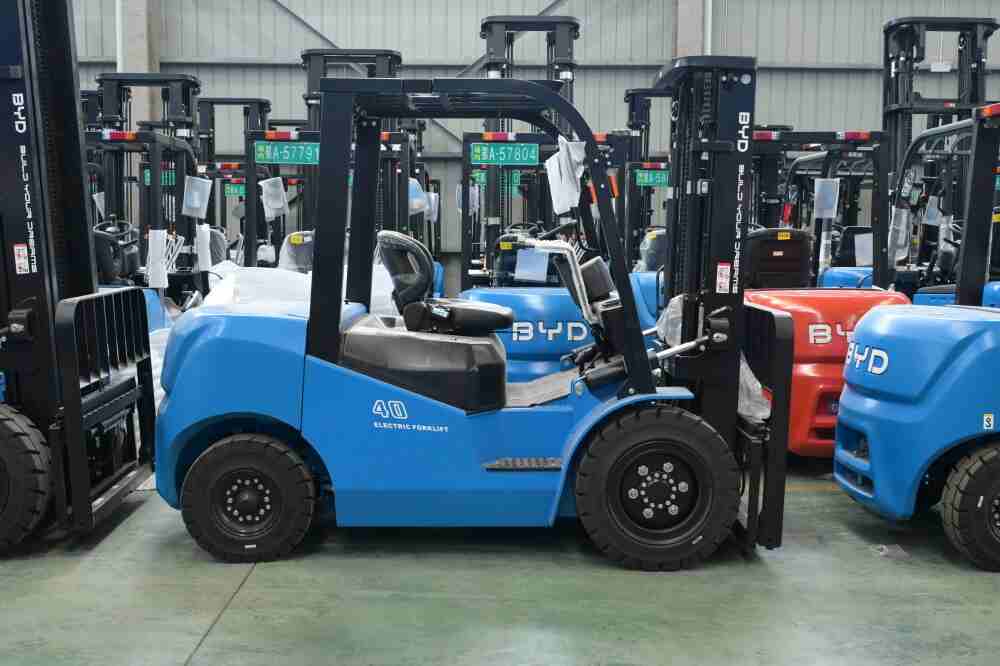
The second part is the daily operation cost covering the whole service period. For counterbalance forklifts running 8 hours per day, the energy cost gap between different power types can reach a considerable level after 3 to 5 years of continuous operation. The consumption of wearing parts such as tires, brakes and hydraulic seals will also vary according to the equipment quality and operation intensity. The heavy-load rough ground commonly seen in Durban’s freight yards will further amplify the difference in wearing part replacement frequency between different forklift products.
The third part is the maintenance and downtime loss cost. Traditional internal combustion counterbalance forklifts require regular replacement of engine oil, filter elements and other consumables, while electric counterbalance forklifts have fewer moving wearing parts, which can effectively reduce regular maintenance frequency and related labor costs. For port and logistics operators in Durban with tight peak operation schedules, the downtime loss caused by equipment failure often far exceeds the maintenance cost itself, so the after-sales response efficiency in the local area is also an important part that cannot be ignored in the total cost of ownership.
The last part is the residual value of the equipment at the end of the lifecycle. In Durban’s current second-hand industrial equipment trading market, low-emission new energy counterbalance forklifts maintain a more stable residual value than internal combustion products, which can effectively reduce the comprehensive depreciation cost of the whole lifecycle.
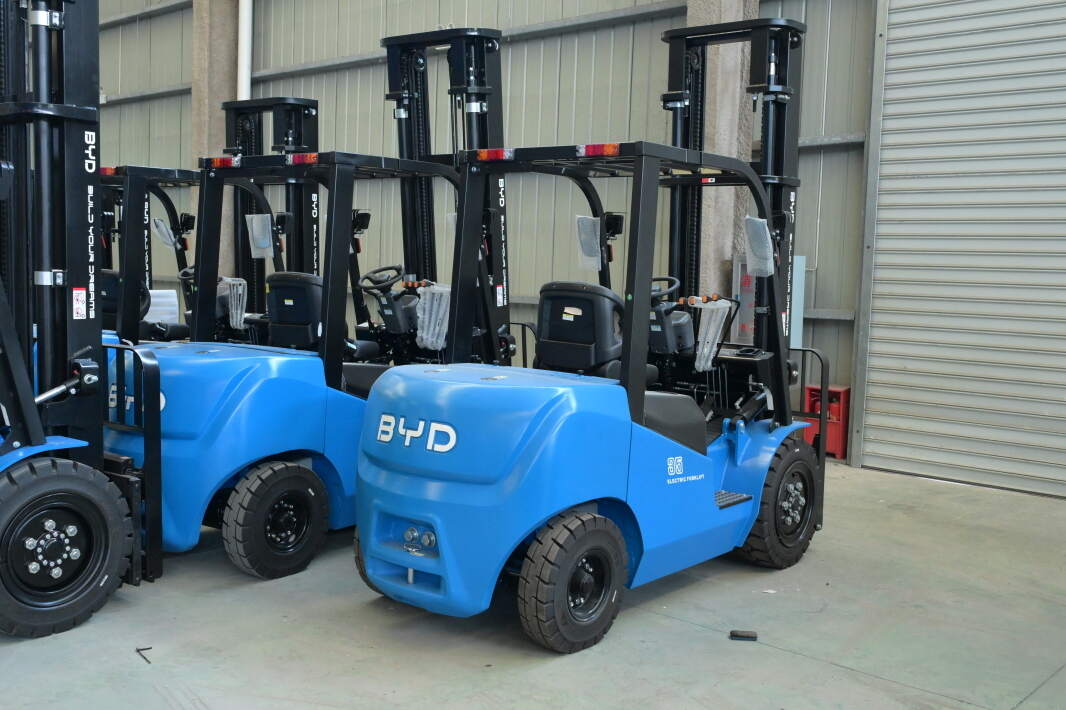
As a professional new energy enterprise, Jian Shu New Energy focuses on BYD electric forklifts. We can provide customized total cost of ownership calculation services for local customers in Durban of different operation scales, to help you sort out all explicit and hidden expenditure items in the whole equipment use cycle. If you have relevant demand for consultation, you can send email to [email protected] to get a targeted cost evaluation plan.


