
 English
 简体中文
简体中文 Русский
 Français
 Português
 Español

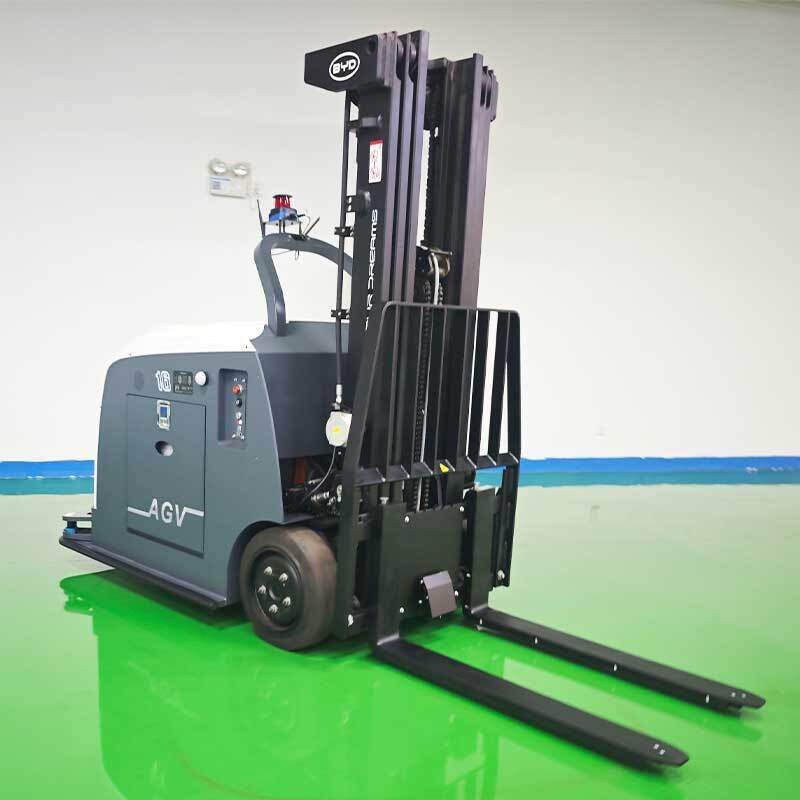
With the continuous upgrade of global logistics and warehousing systems, electric forklifts have become one of the most widely used material handling tools in indoor and closed operation scenarios, bringing reasonable optimization to the traditional operation mode of the handling industry.
Core Advantages of Electric Forklifts
Different from internal combustion powered handling equipment, electric forklifts rely on battery power systems to provide driving and lifting power, which produces almost no tail gas emission during the whole operation process, so they can adapt to the indoor closed environment with high air quality requirements. The overall noise level during operation is also controlled at a relatively low range, which will not cause continuous noise interference to staff working in the same space for a long time. The structure of the power system is relatively simpler than that of the internal combustion counterpart, which reduces a lot of unnecessary regular inspection items related to fuel supply and exhaust processing.
Standard Daily Operation Specifications
Before each formal start of operation, operators need to complete the basic status check of the whole vehicle, including the remaining power level of the battery, the flexibility of the lifting and steering system, and the normal performance of the safety warning components. During the operation process, operators need to arrange the handling path reasonably according to the on-site site conditions and the weight of the loaded goods, avoid sudden acceleration and sudden braking in a short distance, and control the lifting and descending speed of the goods within the rated parameter range. After the daily operation is completed, the vehicle should be parked in the designated area, the power supply should be cut off, and the remaining power should be supplemented in time according to the actual consumption.
Scientific Routine Maintenance Methods
According to the specified cycle, staff should clean the dust and sundries accumulated on the surface of the vehicle and the heat dissipation structure, check the wear degree of the tire tread and the brake pad gap, and adjust the parameters to the normal range in time if abnormal deviation is found. The battery pack is the core component of the electric forklift, so the connection state of the line interface and the appearance of the shell should be checked regularly to avoid excessive loss of the battery caused by over discharge for a long time. The lubrication maintenance of the movable connection parts of the gantry can be carried out at a frequency specified in the operation manual, to reduce the wear of mechanical parts during long-term reciprocating operation.
Reasonable Matching of Application Scenarios
Enterprises can select the electric forklift with corresponding rated load and maximum lifting height according to the actual demand of their own storage and handling, to avoid the mismatch between equipment performance and actual demand that affects operation efficiency. For scenarios with high operation intensity for a long time, users can configure the corresponding spare battery pack to complete the power replacement quickly, so as to reduce the downtime in the operation gap. For outdoor non-rainy operation scenarios that meet the protection level of the vehicle, electric forklifts can also give full play to their performance advantages to complete low-intensity handling tasks, maintaining stable operation status for long-term value output.


