
 English
 简体中文
简体中文 Русский
 Français
 Português
 Español

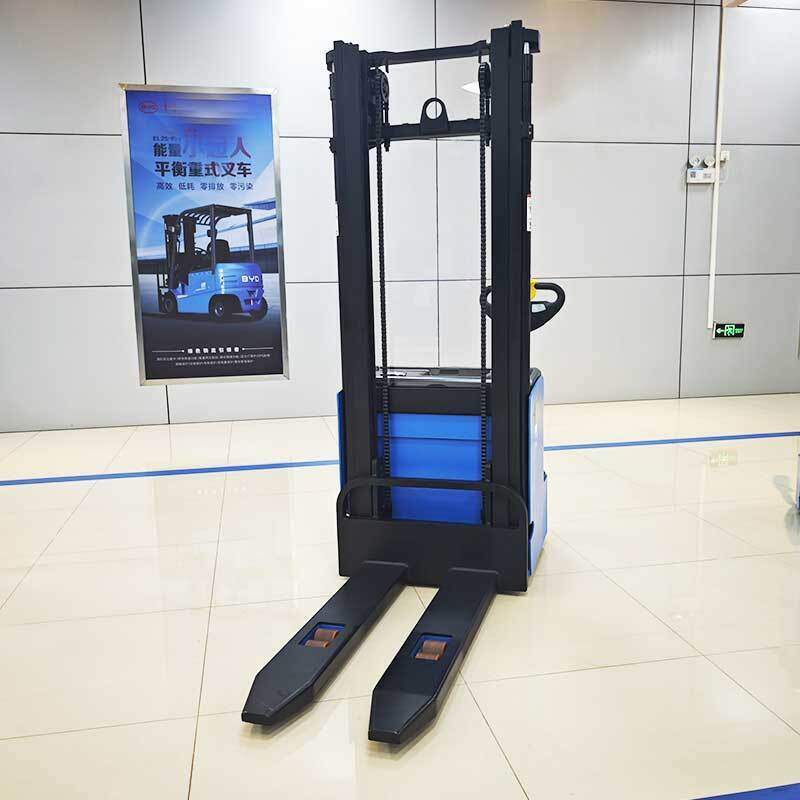
As low-carbon logistics becomes the mainstream trend in the industrial sector, electric forklifts have become one of the most widely used material handling equipment in various storage and distribution scenarios for their low noise, zero local emission and relatively flexible operation characteristics. For new and experienced operators, mastering standardized use and management rules can help fully leverage the advantages of such equipment while reducing unnecessary operation losses.
Core Daily Operation Specifications for Electric Forklifts
Before starting the equipment every shift, operators need to conduct a full pre-check of key components, including the remaining power display of the power system, the flexibility of the lifting and steering structure, the sensitivity of the braking system, and the integrity of the warning light and horn. During the driving process, it is necessary to strictly control the driving speed according to the site conditions, avoid sudden steering or sudden braking when carrying heavy loads, and keep the carrying goods within the rated load range all the time. When the equipment is running, operators need to keep a clear field of vision, avoid carrying passengers on the equipment body, and do not extend any part of the body outside the guard frame to prevent collision risks. When charging, operators need to follow the official guidance of the equipment, use the matching charging equipment, and avoid overcharging or completely draining the power for a long time, so as to protect the performance of the power core components.
Regular Maintenance Points to Extend Service Life
Daily maintenance of electric forklifts does not require overly complex professional operations, most of which can be completed by on-site management personnel or regular operators. It is recommended to wipe the dust and sundries accumulated on the surface of the equipment body and the operation panel after each shift, check whether there are loose parts at the connection of the tire, and add appropriate amount of lubricating oil to the rotating structure of the movable parts according to the use frequency. At regular intervals, professional technicians can be arranged to check the wear degree of the brake pads, adjust the clearance of the steering system, and test the working state of the controller. These regular inspection and maintenance measures can effectively reduce the probability of sudden failure in the operation process, avoid unexpected production shutdown caused by equipment damage, and extend the overall service cycle of the equipment to a certain extent.
Suitable Application Scenarios to Maximize Operation Efficiency
Electric forklifts perform well in many closed or semi-closed indoor scenarios, such as ordinary commodity warehouses, cold storage units, pharmaceutical material storage workshops, and food processing distribution centers, where strict requirements are put forward for site air quality and operation noise. Compared with traditional internal combustion handling equipment, electric forklifts will not produce exhaust gas during operation, and the noise level during driving and lifting is relatively low, which can create a more comfortable working environment for on-site staff. For scenarios that require frequent material handling operations within 8 hours of working hours, reasonable arrangement of equipment use shifts and charging plans can ensure continuous and stable operation of the equipment, effectively improving the overall turnover efficiency of on-site material circulation.


