
 English
 简体中文
 Русский
 Français
 Português
 Español


Agricultural facilities cover a wide range of operation scenarios from crop storage warehouses, fresh fruit sorting workshops to outdoor pre-cooling yards and farm material stacking areas. Efficient and safe material handling is the core link that guarantees smooth operation of the whole agricultural production cycle, including agricultural input distribution, harvested product transfer and finished goods storage. A well-planned counterbalance electric forklift system can effectively reduce manual labor intensity, cut operation waiting time, and avoid unnecessary damage to perishable agricultural products during handling.
1. Pre-planning demand assessment
Before selecting and deploying counterbalance forklifts, you need to make a full survey of all operation scenarios in your facility first. Calculate the maximum load of common handling goods, including bagged fertilizers, bulk grain sacks, packed fresh vegetable crates and large farm tool accessories, to confirm the proper load rating matching your daily operation. Measure the width of internal access roads, warehouse aisles, and the maximum climbing degree of the connecting ramps between different functional areas, to make sure the forklift can pass through all areas smoothly. You also need to count the daily operation duration of normal seasons and the peak operation volume of harvest seasons, to reserve proper redundancy for the whole fleet configuration.
2. Scenario adaptation matching
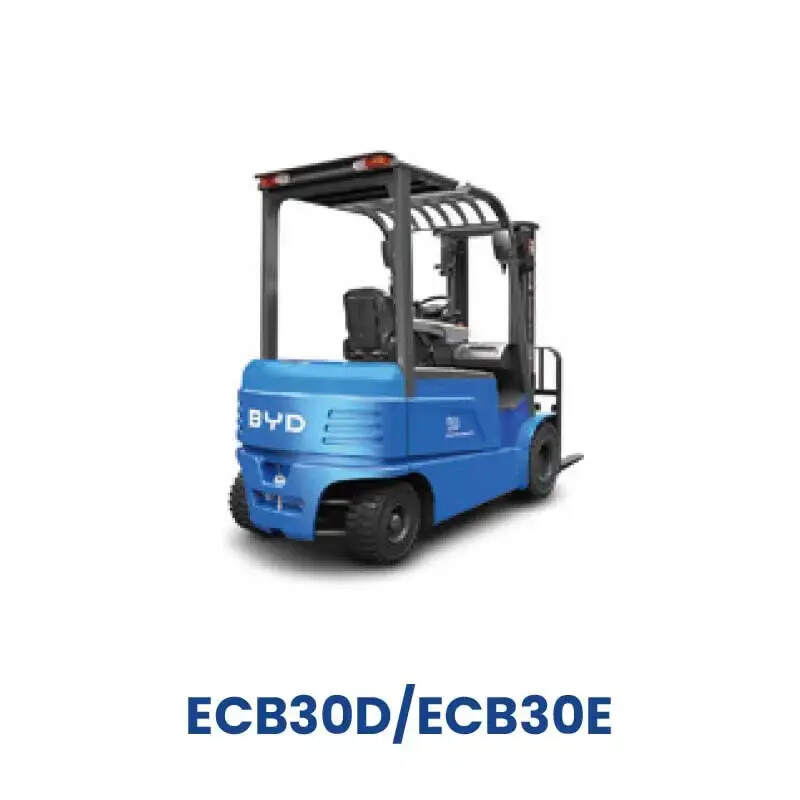
Different from ordinary industrial workshops, agricultural operation scenarios usually have higher requirements on the environmental adaptability of material handling equipment. The counterbalance design of the targeted forklift should keep stable enough even on unpaved farm yards with partial muddy or uneven ground, to avoid tilting or side slipping during operation. The whole equipment should meet proper dust and water resistance level, to adapt to the outdoor operation environment with dust, splash and occasional light rain. The long battery life of electric models can support continuous operation for whole shifts in peak harvest period, no need for frequent power supplement to delay the operation schedule. The zero emission feature of electric forklifts also avoids potential pollution to stored agricultural products such as grains and fresh fruits, which fits the requirement of green agricultural production.
3. Post-deployment supporting arrangement
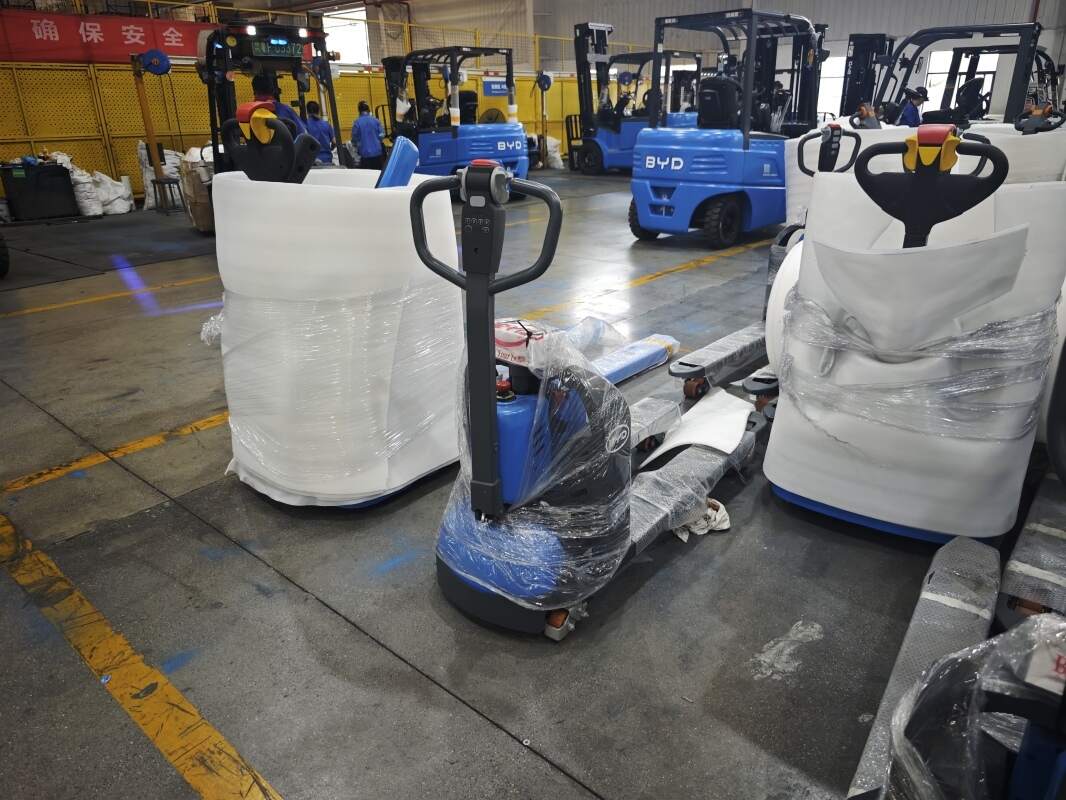
After confirming the fleet configuration, you also need to make reasonable supporting plans for daily operation. Set up independent charging points at the sheltered and ventilated area near the exit of the main warehouse, to avoid blocking normal material handling passages. Formulate regular daily inspection procedures for the equipment, to check the braking system, power level and mast status before each shift, to eliminate potential safety hazards in advance. Provide targeted operation training for all staff who will use the forklift, to make sure they are familiar with the operation rules in different agricultural scenarios. You can also make flexible scheduling rules for the fleet, to allocate part of the equipment to do supporting tasks such as farm raw material transportation in non-harvest seasons, to maximize the utilization rate of the equipment.
If you need professional customized support when planning counterbalance forklifts for your agricultural facility, we are Jianshu New Energy, focusing on BYD electric forklifts, you can send your specific demand to [email protected] for further consultation.


