
 English
 简体中文
简体中文 Русский
 Français
 Português
 Español

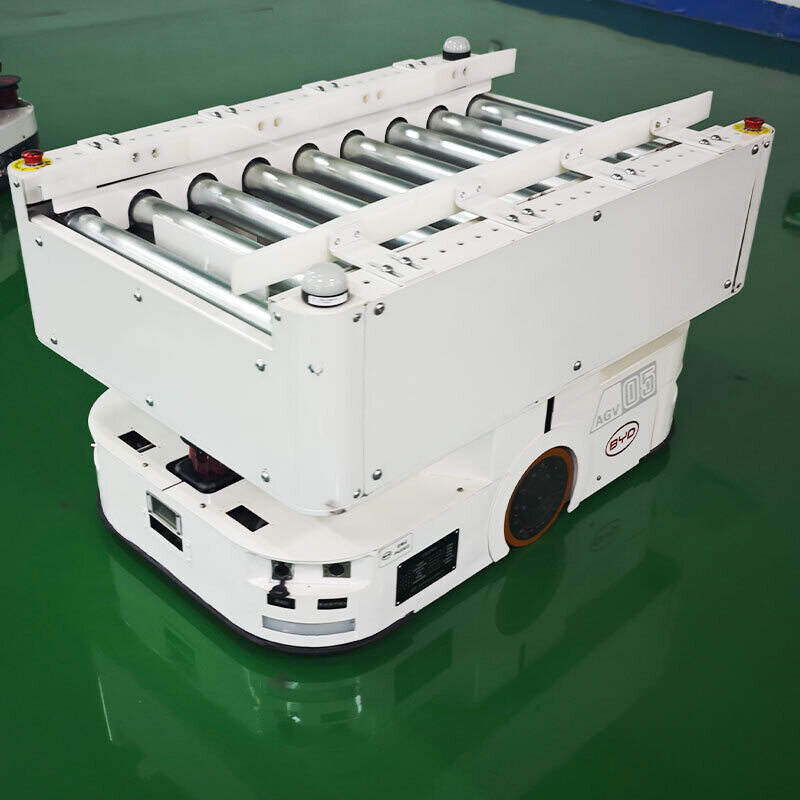
Against the background of low-carbon transformation in modern logistics and warehousing industry, electric forklifts have become one of the most widely used material handling equipment in closed indoor working scenarios, and mastering correct use and management rules can bring multiple practical benefits for operation teams.
Core Performance Features of Electric Forklifts
Different from internal combustion powered handling equipment, electric forklifts rely on battery packs to provide power output, with no tail gas emission during operation, which can effectively avoid air pollution in relatively enclosed warehouse spaces. The overall running noise is controlled at a relatively low level, which will not cause excessive noise interference to other staff working nearby. The structure of power components is relatively simple, and the regular operation cost does not involve frequent purchase of fuel, which is more friendly for long-term continuous use scenarios.
Standard Daily Operation Guidelines
Before starting the equipment every shift, operators need to check the remaining battery level, the flexibility of brake system, the surface deformation status of forks, and the smoothness of steering mechanism first. During the operation process, the actual loaded weight should not exceed the rated load range of the equipment, and the moving speed should be reduced in advance when turning, passing narrow channels or crossing areas with pedestrian activities. Operators should not carry extra personnel on the operating platform, and avoid sudden acceleration or sudden braking when driving on gentle slopes, to prevent goods from falling or equipment from shifting out of the route.
Reasonable Routine Maintenance Arrangements
For the core battery component, operators should avoid over-charging or over-discharging in daily use, and complete the charging process in a well-ventilated and dry designated area, and do not expose the battery pack to high temperature environment for a long time. It is recommended to arrange special personnel to clean the dust and sundries accumulated on the surface of motor and control circuit regularly, check the hydraulic oil level and tire wear status every 2 to 3 months, and replace severely worn spare parts in time to avoid affecting the normal operation performance. If the equipment needs to be idle for more than 7 days, charge the battery to 60% to 70% of the full power in advance, and park the equipment in a flat and dry position.
Necessary On-site Safety Precaution Rules
All personnel operating electric forklifts need to receive complete professional operation training before taking up the job, and the operation area of the equipment should be set with obvious warning signs to remind passing pedestrians to keep a safe distance. For large warehouses with multiple handling equipments operating at the same time, it is advisable to plan fixed one-way driving routes in advance to avoid collision risks caused by cross driving. Once abnormal noise or unresponsive operation is found during use, the operator should stop the equipment in a safe area for inspection in time, instead of continuing to operate with potential faults.


