
 English
 简体中文
简体中文 Русский
 Français
 Português
 Español

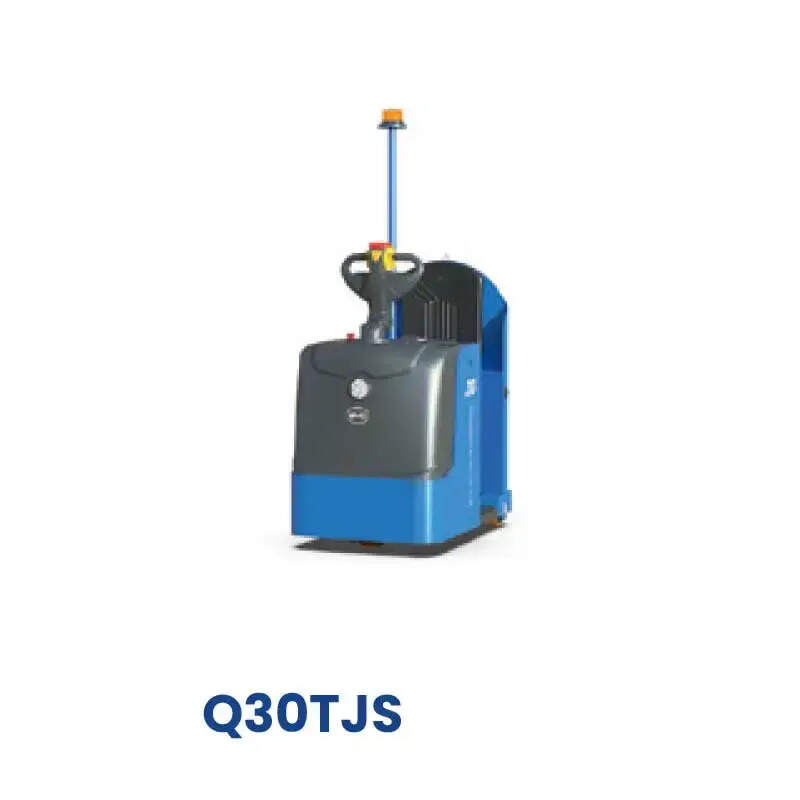
Parking brake performance is a core safety component for electric forklifts working in warehouses, loading docks and other industrial sites, and regular standardized verification drills for operators help eliminate hidden risks caused by brake failure in daily operation, avoiding accidental sliding of parked vehicles that may cause property damage or personal injury.
Pre-drill Preparation Requirements
Before starting the verification drill, operators need to move the electric forklift to a flat, open site without passing pedestrians and stacked obstacles, lower all lifting attachments to the lowest safe position, disconnect the equipment's external auxiliary power supply, and wear required personal protective equipment including non-slip work shoes and high-visibility safety vests. It is also necessary to confirm that no irrelevant personnel stay within 5 meters around the test site to avoid accidental injury during the test process.
Step-by-step Verification Drill Process
First, start the electric forklift, let it run at a constant low speed below 3km/h on the flat site, then pull the parking brake lever fully to the locked position steadily. The whole vehicle should stop stably without obvious sliding displacement within 2 seconds, which is the first basic verification item. Second, move the forklift to a standard 5% gradient test ramp, drive the vehicle to stop at the middle position of the ramp, turn off the driving power output, then engage the parking brake completely, release the foot brake slowly, and observe if the forklift keeps static without sliding downwards for no less than 3 minutes. Third, after finishing the above two tests, operators can release the parking brake, restart the vehicle to drive forward and backward for 2 to 3 short distances, to confirm the parking brake is fully disengaged and will not cause extra abrasion to the brake pads during normal running.
Post-drill Precautions
After completing all verification drills, operators need to record the test results in the daily operation log in time. If any abnormal phenomenon such as unqualified braking performance appears during the drill, the forklift must be suspended from use immediately, and reported to the on-site equipment management personnel for professional maintenance, instead of forcing the vehicle into service. Arranging regular monthly repeated drills can effectively improve operators' sensitivity to parking brake abnormality, reduce safety accidents caused by parking brake failure, and create a more reliable operation environment for all on-site industrial personnel.


