
 English
 简体中文
 Русский
 Français
 Português
 Español


Tripoli’s booming port logistics, large-scale manufacturing and central warehousing sectors have seen fast growing demand for high-capacity electric forklifts in recent years. Most local fleet managers face the key decision of choosing between lithium-ion batteries and traditional lead-acid batteries, as different battery solutions will cast long-term influence on daily operating expenditure and overall fleet profitability.
We start the comparison from initial procurement cost. Generally speaking, the upfront investment of a lithium-ion battery pack for high-capacity forklifts is higher than that of a standard lead-acid counterpart of the same load capacity. Many operators with tight short-term budget may consider lead-acid batteries as a more accessible choice at the first glance. However, the cost gap will gradually narrow and reverse along with continuous use in daily operations.
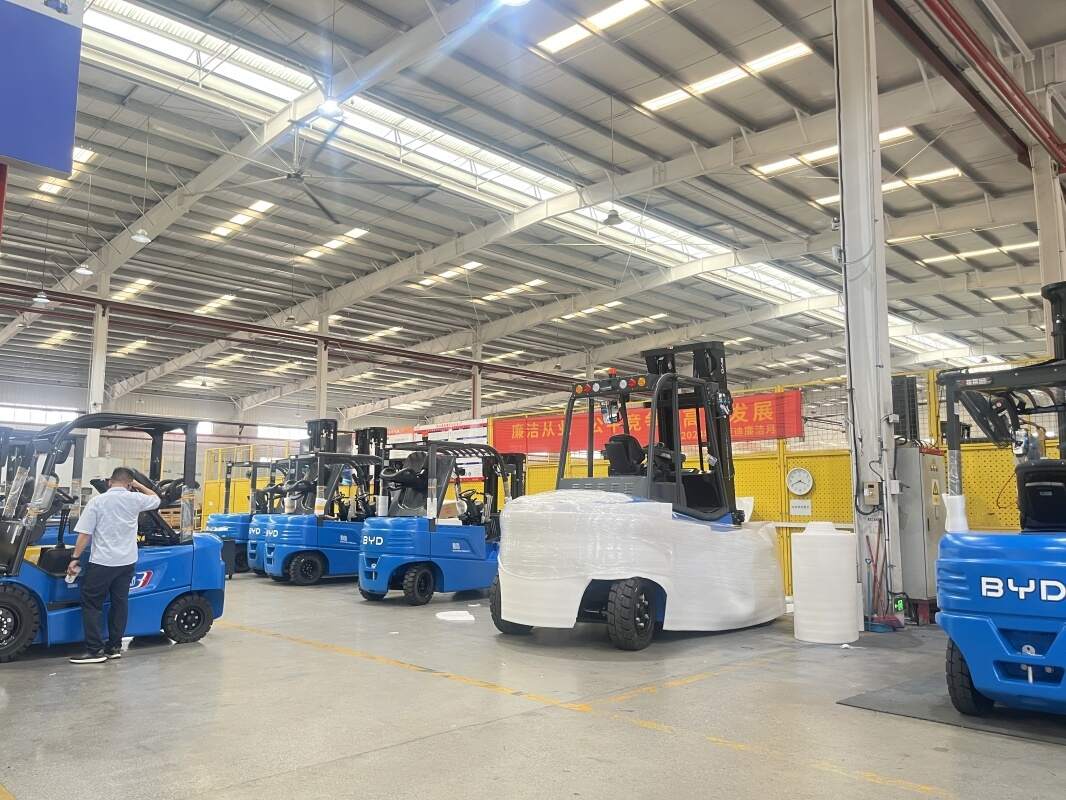
Then we move to daily operating and maintenance cost. Lead-acid batteries require regular water topping up, equalization charging, and frequent cleaning of electrode plates to avoid performance degradation. For multi-shift operation scenarios that are very common in Tripoli port and large distribution centers, the regular maintenance work will take 1 to 2 working hours per battery every week, which will also consume extra labor cost. In contrast, lithium-ion batteries need almost no daily maintenance besides normal cleaning of the housing surface, which saves a large amount of labor and time cost for the operation team.
Charging efficiency also brings hidden cost differences. A lead-acid battery usually needs 8 to 10 hours for full charging, plus extra 2 to 3 hours of cooling time before it can be put back into use. For 24-hour continuous operation scenarios, the team has to configure 2 to 3 sets of backup batteries for each forklift, which adds extra procurement and occupied storage cost. Lithium-ion batteries support opportunity charging, which can be supplemented for 1 to 2 hours during break time to get enough power for subsequent shifts, no extra backup battery is needed for most multi-shift teams.
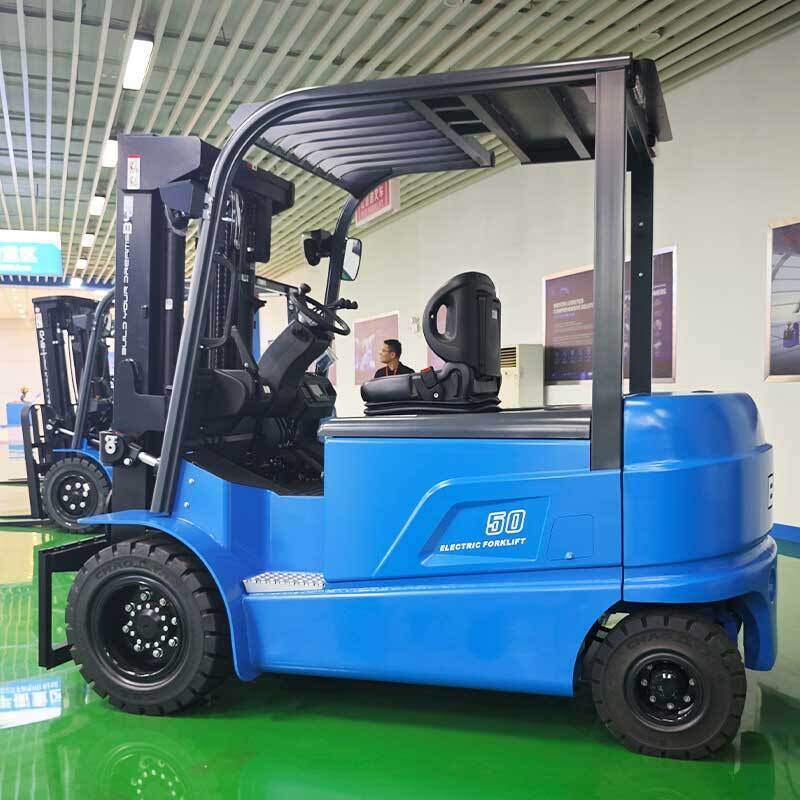
The cycle life of the two types of batteries also differs significantly. A well maintained lead-acid battery for high-capacity forklifts can support 1000 to 1500 full charge and discharge cycles under normal working conditions, while a standard lithium-ion battery can support 3000 to 5000 cycles. Calculated based on the same daily use intensity, lithium-ion batteries can provide stable power supply for 7 to 10 years, while lead-acid batteries usually need to be replaced after 3 to 5 years. After calculating all costs including initial procurement, maintenance, backup battery purchase and replacement within the full life cycle, the total ownership cost of lithium-ion battery solutions is often more competitive for most local high-intensity operation scenarios.
Jianshu New Energy is a professional supplier focusing on BYD electric forklift products and localized supporting services. We provide targeted battery solution consultation for fleet users in Tripoli, if you need a customized cost assessment report matching your actual operation scenario, you can contact our team via [email protected] for further communication.


