
 English
 简体中文
 Русский
 Français
 Português
 Español


For port operation teams in Port-Gentil that rely heavily on high-capacity electric forklifts to move heavy cargo across busy docks, storage yards and shipping lanes, the choice between lithium-ion and lead-acid battery configurations is rarely a simple preference on performance, but a core decision that affects long term operational expenditure. Many teams first notice the difference in upfront procurement cost at the initial selection stage. Lead-acid battery equipped high-capacity electric forklifts usually come with lower initial purchase expense, which seems to fit short-term budget planning for new projects or temporary capacity expansion. But this apparent cost advantage fades quickly when teams expand the accounting scope to cover the full 5 to 7 year service cycle of the equipment.
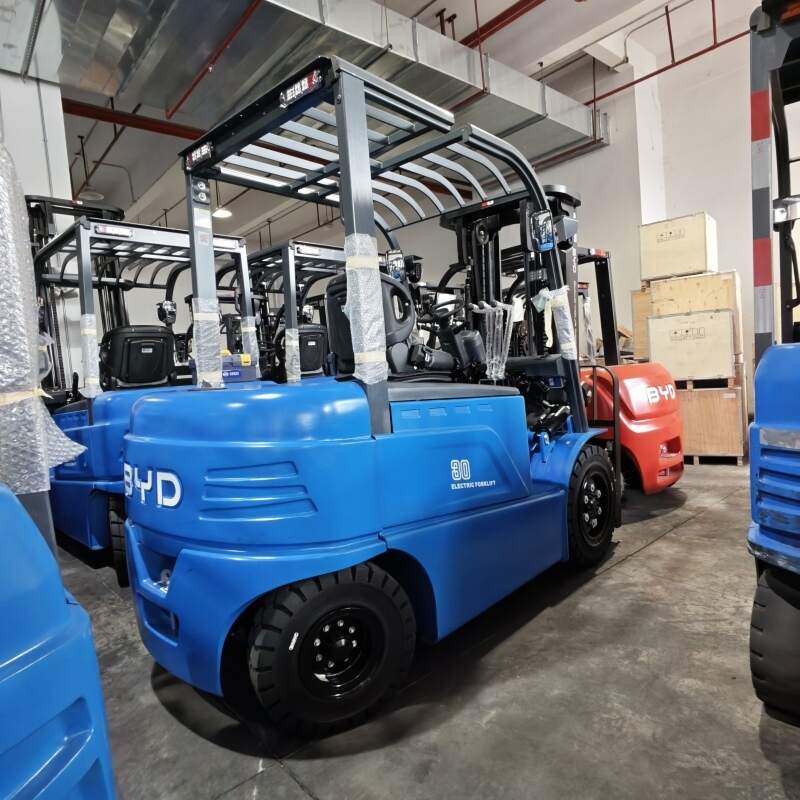
In daily operation scenarios unique to Port-Gentil port areas, high-capacity electric forklifts usually run 2 to 3 shifts per day, with high ambient temperature and high load intensity for most of the year. Lead-acid batteries require regular distilled water replenishment, regular capacity equalization maintenance, and dedicated charging areas with good ventilation and heat dissipation. Each full charge of lead-acid batteries takes 8 to 10 hours, and operators need to arrange extra battery replacement downtime to support multi-shift operation, which will generate additional labor cost, spare battery procurement cost and potential operation interruption loss.
In contrast, lithium-ion battery equipped high-capacity electric forklifts do not need daily water replenishment or regular equalization maintenance, and support opportunity charging during work breaks or shift handover, no extra spare battery replacement operation is needed for continuous multi-shift operation. The energy conversion efficiency of lithium-ion batteries is about 30 percent higher than that of conventional lead-acid products, which will bring stable electricity cost saving for long term operation.
When calculating the total ownership cost covering the full service cycle, lithium-ion configurations usually show more obvious cost advantage under the high-frequency, high-load operation scenarios in Port-Gentil port areas, as there is no extra cost of replacing multiple sets of lead-acid batteries during the equipment service life, and the saved labor cost and operation uptime gain also bring considerable hidden economic benefits.
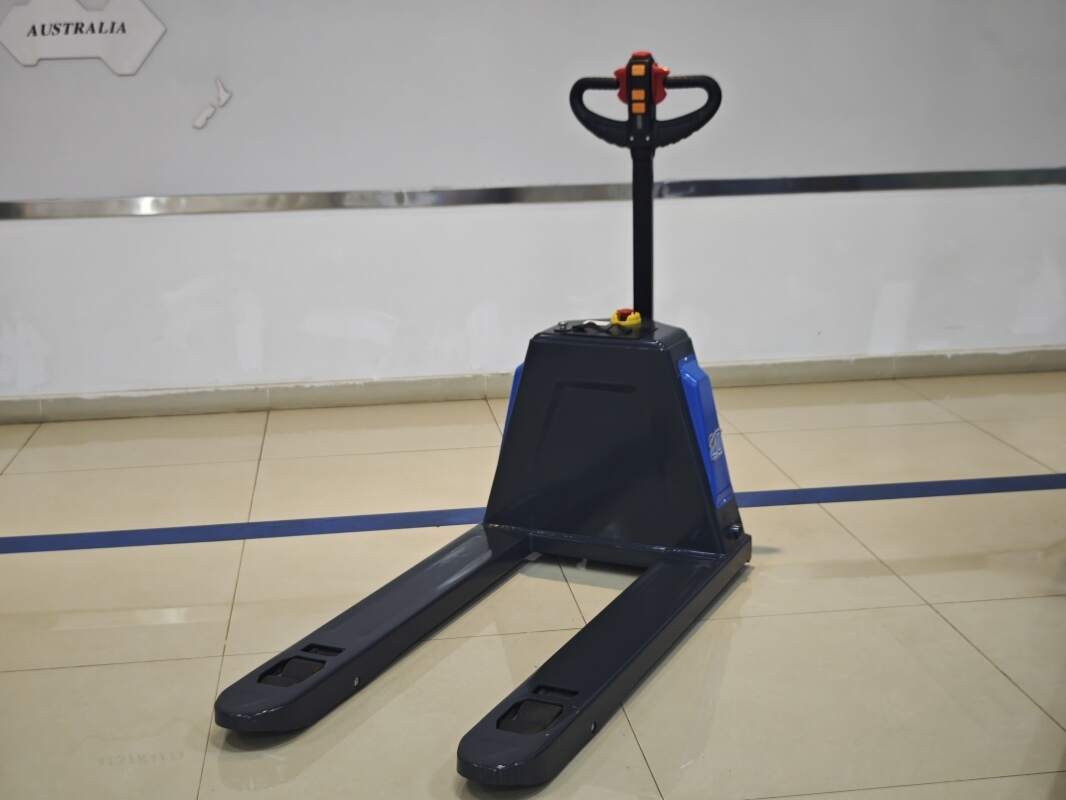
As Jian Shu New Energy, we focus on BYD electric forklifts, and can provide targeted cost accounting solutions combined with the actual operation schedule, local electricity price and labor cost data of Port-Gentil local port logistics enterprises. If you need a more detailed customized cost analysis for your fleet, you can contact us via email at [email protected] for professional consultation.


