English
 简体中文
 Русский
 Français
 Português
 Español


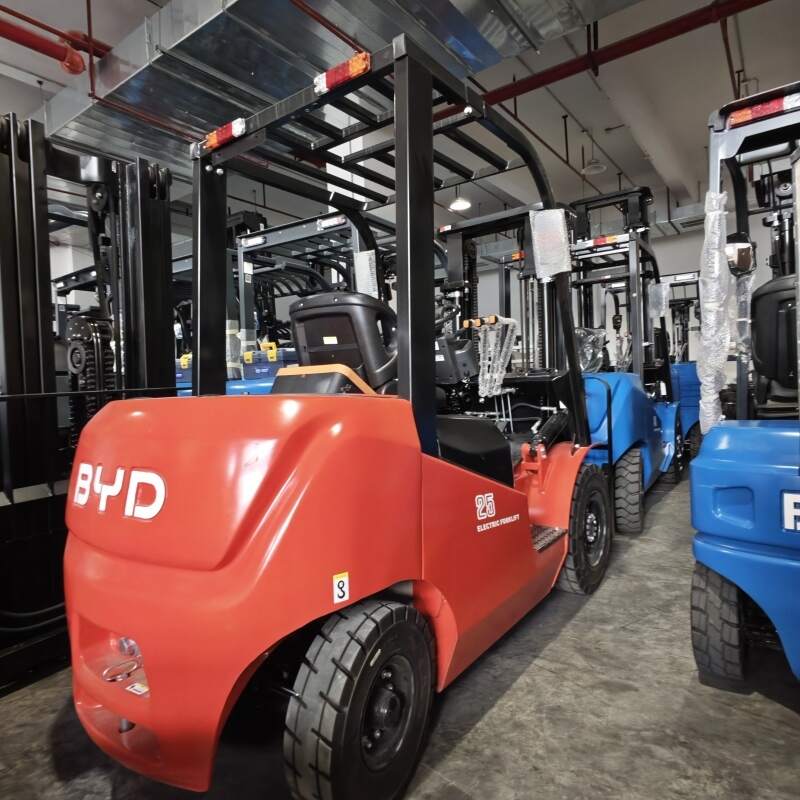
Pointe-Noire, as the core port and logistics hub on the west coast of Central Africa, has seen growing demand for efficient material handling equipment in recent years, and electric stackers have become the preferred choice for most local warehousing, port cargo transfer and distribution enterprises. For local users who choose BYD electric stackers, one of the most concerned topics is the cost difference between models equipped with lithium batteries and lead-acid batteries, to make a more cost-effective decision matching their actual operation scenarios.
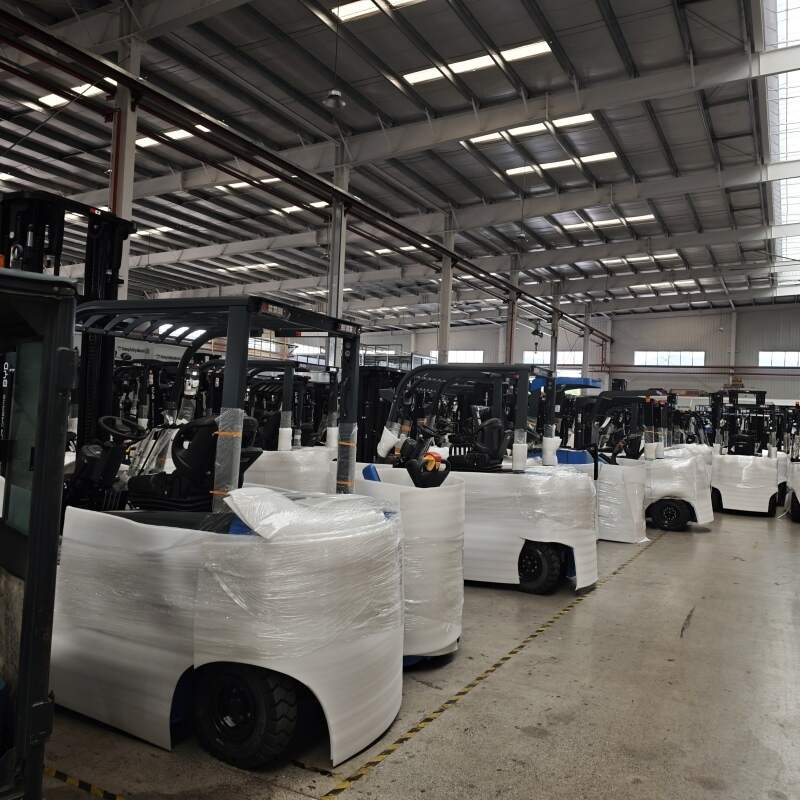
We are Jianshu New Energy, a service provider focusing on BYD electric stackers, and we provide objective, practical cost reference for local users in Pointe-Noire based on actual local operation conditions. For the initial procurement phase, the unit price of lithium battery BYD electric stackers is slightly higher than that of lead-acid models with the same load and lifting height parameters. However, many users often ignore the implicit matching cost of lead-acid stackers in the initial stage: users need to set up a separate special charging and storage area for lead-acid batteries, and prepare at least one spare battery to support multi-shift continuous operation. Considering the relatively high storage space rent in Pointe-Noire’s core logistics areas, the comprehensive initial investment gap between the two types of stackers is much smaller than the direct unit price difference.
In the daily operation phase, lithium battery stackers show obvious cost advantages. Lithium batteries support fast partial charging during work breaks, no need for long-term dedicated full charging, which can reduce the extra labor cost of full-time charging management staff. Meanwhile, lithium battery stackers do not need regular maintenance work such as electrolyte supplement, electrode cleaning and equalization adjustment, which greatly cuts the daily maintenance expense. Affected by the local tropical high temperature climate in Pointe-Noire, the cycle life of lead-acid batteries under high-frequency operation is relatively limited, while the cycle life of lithium batteries is far longer, which means users do not need to replace the battery frequently in the whole usage period, and can also avoid the operation suspension loss caused by sudden battery failure.
In the final end-of-life disposal phase, the compliant disposal process of lead-acid batteries will generate additional hazardous waste treatment fees, while the lithium battery has higher residual value and more convenient recycling process, which can further reduce the total cost of ownership. If you need more detailed personalized cost calculation for BYD electric stackers, you can contact us via [email protected], and we will provide you with a targeted solution matching your actual operation demand.