
 English
 简体中文
 Русский
 Français
 Português
 Español


Lithium-ion forklifts have been widely applied in warehousing, manufacturing, logistics distribution and other industrial scenarios in recent years, as they bring smoother operation experience and lower long-term operating cost for users. To make full use of the performance advantages of lithium-ion forklifts and extend their service life, users need to master multiple key considerations throughout the whole usage cycle.
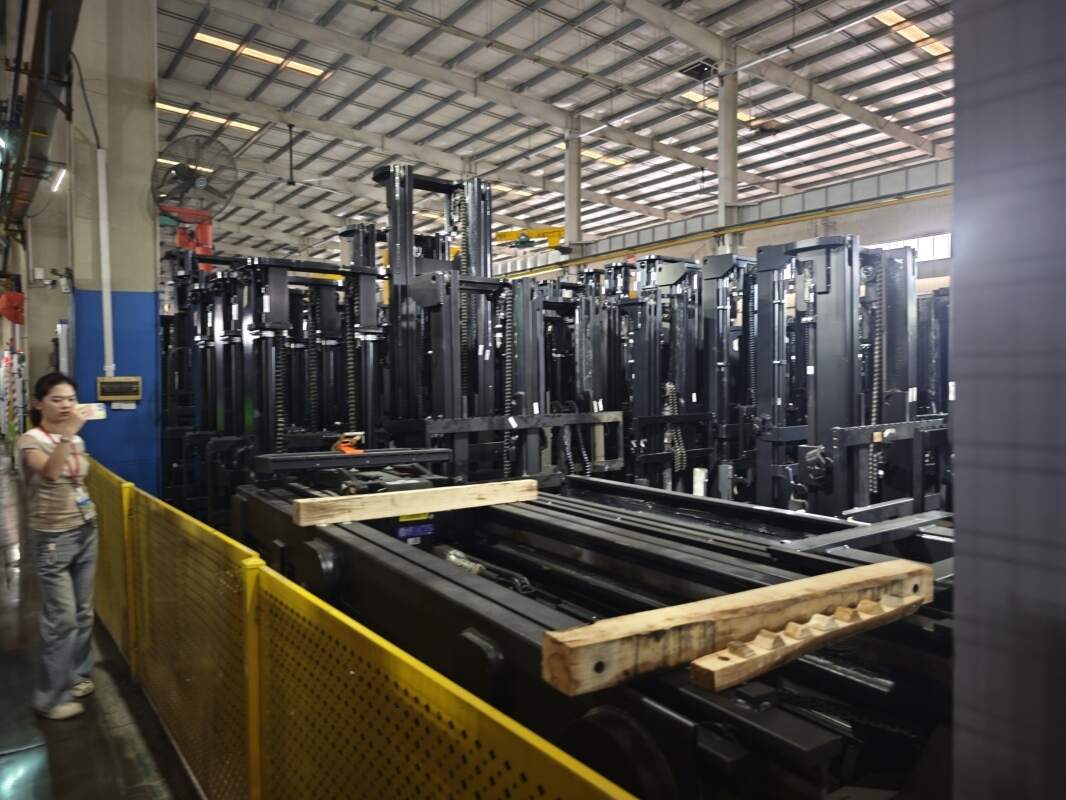
First, make proper matching selection according to actual operation scenarios before purchase. Users need to confirm the common load weight, maximum lifting height, daily continuous working duration, operation channel width and ambient temperature conditions of the working site. For scenarios with high intensity of continuous operation for multiple shifts, you can choose models that support fast charging to meet the demand of non-stop operation, and avoid choosing products with mismatched parameters that cannot support your actual usage demand.
Second, follow standardized specifications in daily charging management. Do not use unmatched charging devices that do not meet official parameters for lithium-ion forklifts, and place the vehicle in a dry, ventilated and designated charging area away from flammable and explosive materials during charging. It is not recommended to run the battery to full exhaustion before charging, and do not pull out the charging plug forcibly when the device is still in working state. You also need to check the wear condition of charging interfaces regularly to avoid poor contact.
Third, complete standardized daily maintenance as required. Different from traditional lead-acid forklifts, lithium-ion forklifts do not need frequent electrolyte replenishment operations, but users still need to do regular inspection work. Check whether the battery outer shell has obvious collision damage, confirm the sensitivity of braking, steering and lifting systems, and check the wear degree of forks and other easily worn parts. Do not disassemble the internal structure of the battery pack without professional guidance to avoid unnecessary safety risks. If the vehicle will be left unused for a long time, keep the battery power at a reasonable level and complete supplementary charging every 1 to 2 months.
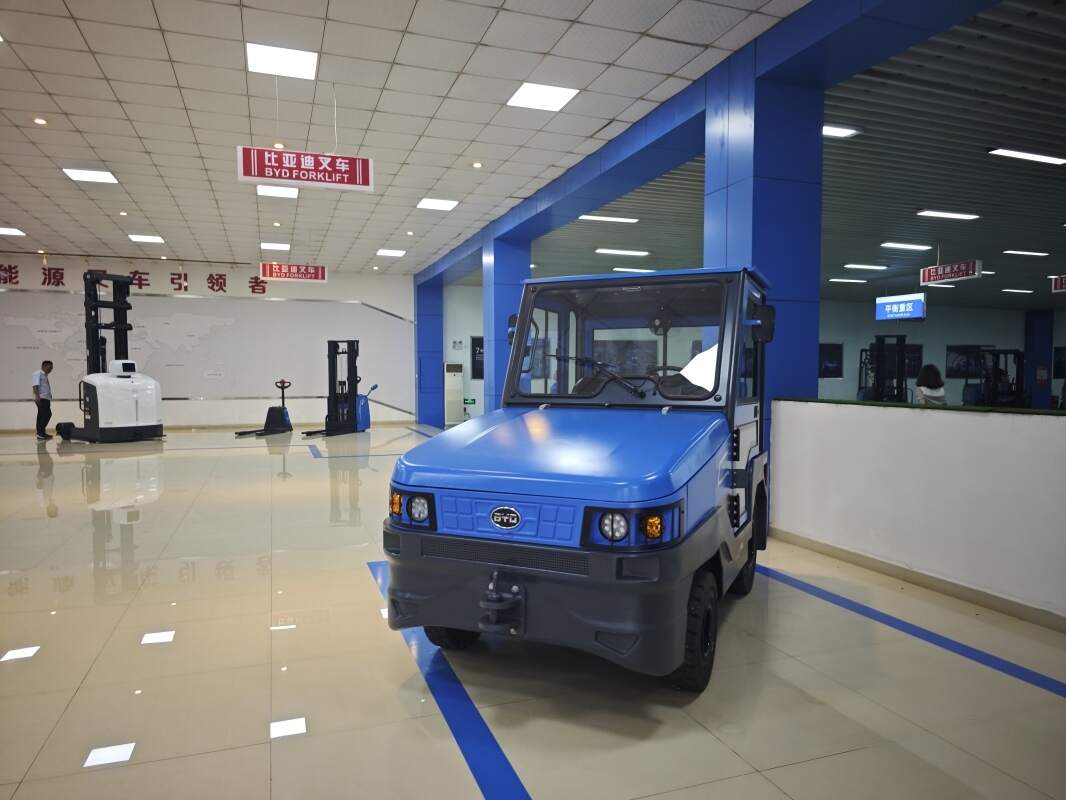
Fourth, strictly abide by safety operation rules. All operators need to receive complete systematic pre-job training before driving the lithium-ion forklift, do not operate the vehicle over load, and keep low driving speed in areas with dense personnel or narrow passages. We are Jian Shu New Energy, focusing on high quality BYD electric forklift products, if you have any consultation demand related to lithium-ion forklifts, you can contact us via the email: [email protected].


