
 English
 简体中文
简体中文 Русский
 Français
 Português
 Español

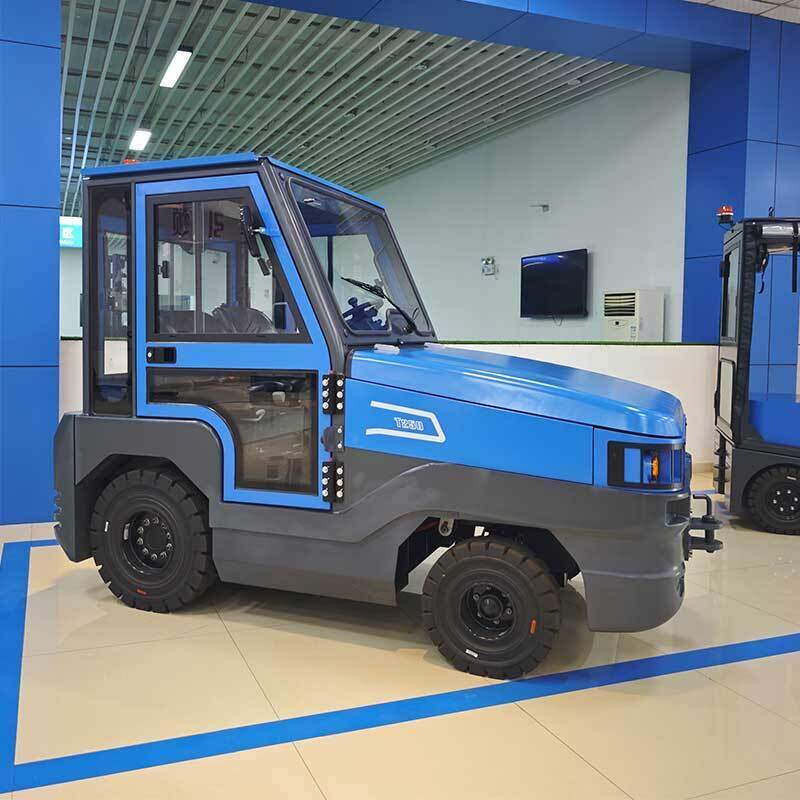
For a long time, most electric forklift fleets rely on empirical manual management methods, which often lead to unplanned downtime, unreasonable resource allocation and hidden operation risks that are hard to detect in time. With the popularization of industrial internet of things technology, data-driven decision-making is gradually reshaping the whole operation logic of electric forklift fleet management, bringing tangible improvement for all kinds of material handling scenarios.
The foundation of data-driven operation is multi-dimensional real-time data collection. Modern electric forklift units are equipped with non-intrusive sensing modules, which can continuously capture operation parameters including real-time battery status, driving mileage, load weight, working hours, driver operation behavior and ambient working conditions, and transmit all these data to a unified cloud management platform without extra manual input.
The most prominent transformation first appears in maintenance arrangement. Different from the traditional fixed-period maintenance mode that may cause over-maintenance or missing maintenance, data-driven mechanism can track the actual wear state of core components according to real operation data, formulate targeted maintenance plans in advance, effectively reduce the occurrence of sudden equipment failures, cut the loss caused by unplanned downtime, and also avoid unnecessary waste of maintenance spare parts.
Another obvious improvement comes from energy consumption and battery life management. By analyzing the energy consumption data of electric forklifts in different operation scenarios, managers can arrange reasonable charging schedules, avoid deep discharge or overcharge behaviors that damage battery health, extend the whole service life of on-board batteries, and reduce the overall energy cost of the fleet. Besides, the data platform can also visualize the idle status of each forklift, help dispatchers arrange vehicle allocation more reasonably, reduce invalid empty driving time, and increase the average daily output of each unit.
For long-term fleet operation, the accumulated historical operation data can also help managers evaluate the matching degree between fleet scale and actual business demand, avoid idle waste caused by excessive deployment, or insufficient operation capacity in peak business periods. This kind of lean management mode can steadily improve the overall operation level of material handling links, and bring continuous and considerable value for manufacturing plants, distribution warehouses and other application scenarios.


