
 English
 简体中文
 Русский
 Français
 Português
 Español


When your team first puts a lithium-ion forklift into daily use, following standardized operation processes can help you give full play to its inherent performance, reduce unnecessary wear and extend the overall service life of the equipment.
Before you start the unit for the first time, please complete a full round of pre-operation inspection first. Walk around the forklift to check if there is obvious surface damage on the shell, confirm the tire pressure is within the normal specified range, check that the fork assembly and other attachments are fixed firmly, and verify the remaining power of the lithium battery is no less than 20% to avoid unexpected shutdown during subsequent operation. After you sit on the driving position, fasten the safety seat belt tightly, adjust the left and right rearview mirrors to a proper angle that allows you to clearly observe the surrounding operation area, and confirm no irrelevant personnel or obstacles stay within 2 meters around the forklift.
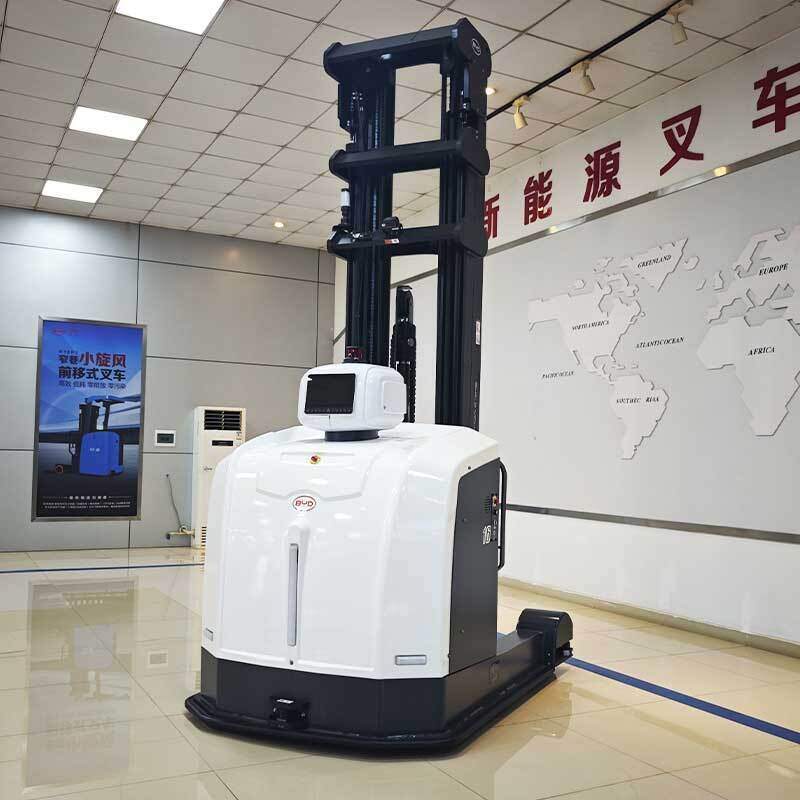
When you start the unit, turn on the main power switch slowly, and wait for 2 to 3 seconds for the built-in system to complete self-check. Do not touch any control lever during the self-check process, so as not to trigger unnecessary system error prompts. After all status indicators show normal, you can slowly operate the forward and reverse adjustment lever to get familiar with the driving response sensitivity. For the first 15 minutes of trial operation, keep the driving speed at a relatively low level, so that you can fully adapt to the operation feedback characteristics of the unit. When lifting goods, do not exceed the marked rated load of the forklift. Keep the fork 10 to 15 cm above the ground level during normal driving, and avoid sharp turns or sudden braking as much as possible to prevent the loaded goods from falling.
For post-operation management, after you finish the daily work of each shift, park the forklift at the designated parking area, lower the fork completely to the ground, turn off the main power switch, and do not leave the unit with external force acting on the hydraulic control lever. Different from traditional lead-acid storage equipment, lithium-ion forklifts support opportunistic charging, you can connect the unit to the matched charging pile at any time according to actual use needs, no need to wait for the full depletion of battery power. Try to avoid long-term exposure of the whole unit to strong direct sunlight or continuous rain soaking, which can effectively reduce the aging speed of internal electronic components.
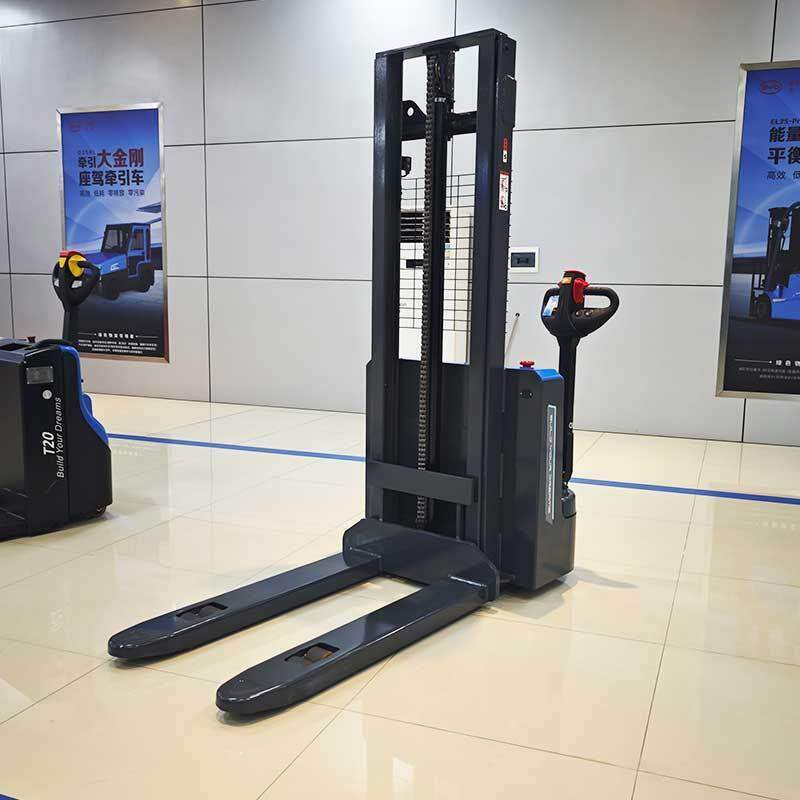
As a professional new energy equipment service provider focused on electric forklift products, Jianshu New Energy provides full-cycle operation guidance and after-sales support for all users. If you have any demand for consultation about lithium-ion forklift use, you can send email to [email protected] to contact our team at any time.


