
 English
 简体中文
 Русский
 Français
 Português
 Español


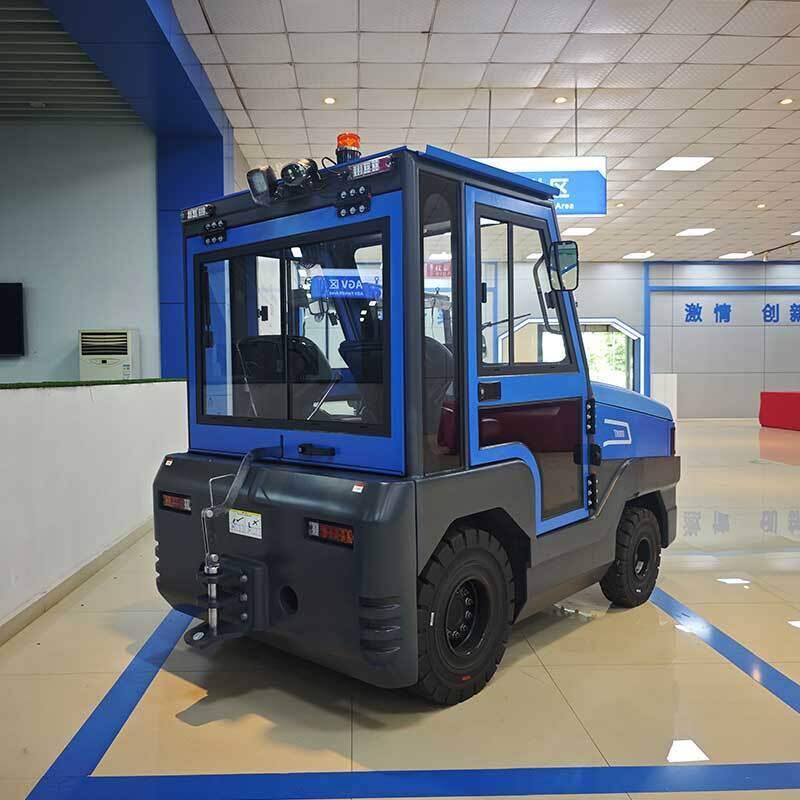
As low-carbon logistics development gains wider popularity across the industrial sector, electric forklifts have become a mainstream choice for material handling work in most enclosed and semi-enclosed operation areas. Mastering systematic knowledge of electric forklift use and management helps practitioners lower operation risks while optimizing work output, and creates more stable value for daily material arrangement work.
Core Advantages of Modern Electric Forklifts
Unlike traditional internal combustion counterparts, electric forklifts generate no exhaust emission during operation, which fits the environmental protection requirements of enclosed spaces such as food processing workshops, pharmaceutical storage areas and indoor warehouses. Their overall noise level during work is also far lower than fuel-driven models, which reduces noise interference for on-site staff and avoids long-term noise damage to the hearing health of operation personnel. The energy consumption cost per unit operation hour is relatively stable, and will not be greatly affected by fluctuations in traditional fuel prices in the long run.
Standard Operation Norms for Daily Use
Operators need to receive targeted professional training before they officially take up the post, and they should check the remaining power, brake flexibility, tire condition and lifting mechanism integrity before each shift. They should not carry out overloaded handling according to personal experience, nor should they lift personnel by the pallet fork to carry out high-altitude work without corresponding safety supporting facilities. When turning in narrow warehouse passages, operators need to slow down in advance and pay attention to the surrounding passing personnel and stacked goods to avoid unnecessary collision risks.
Routine Maintenance Tips to Extend Service Life
After each shift, operators should wipe off the dust, oil stain and sundries attached to the vehicle body, and charge the equipment according to the specified operation requirements instead of over-discharging the power core for a long time. The transmission system, walking wheel and hydraulic lifting parts can be inspected regularly according to the use frequency, and the lubricating oil can be supplemented in time when abnormal jamming is found. Daily maintenance records can be established to track the operation state of the equipment for a long time, so as to find potential hidden troubles in the early stage.
Application Scenario Matching Suggestions
For operation scenes with long continuous working hours every day, you can appropriately configure spare power cores to meet the work demand of multi-shift operation. For the scenes with special requirements for the cleanliness of operation areas, you can choose corresponding matching accessories to further improve the fitting degree between equipment and actual work needs.


