
 English
 简体中文
 Русский
 Français
 Português
 Español


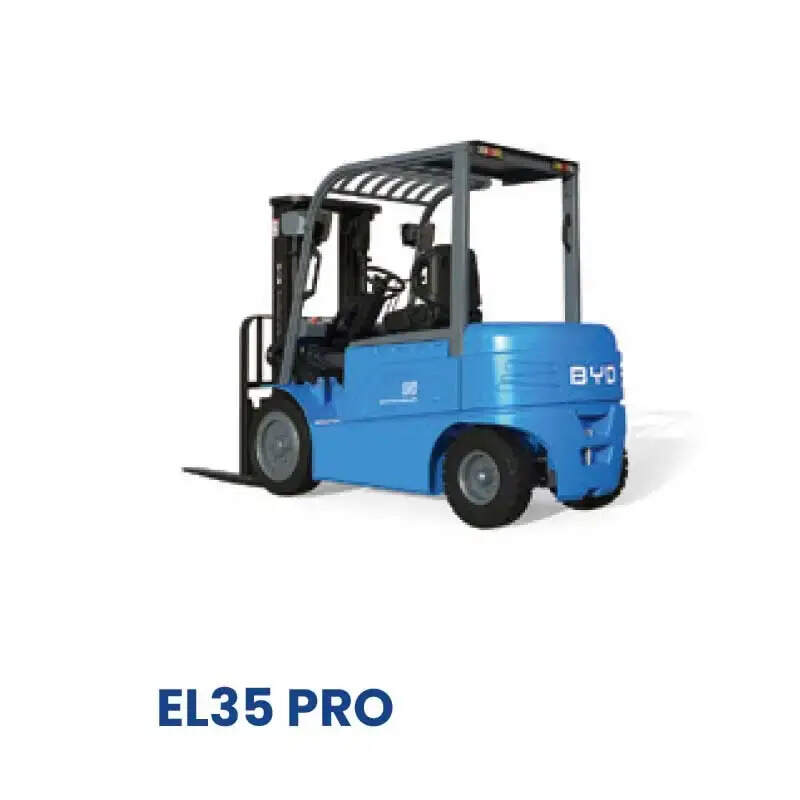
With the continuous development of green logistics concepts around the world, electric forklifts have gradually become one of the most widely used material handling equipment in modern industrial and warehousing scenarios. Mastering relevant professional knowledge of electric forklifts can help operation teams make full use of equipment performance, reduce unnecessary loss, and create more stable operational value for internal logistics systems.
Core Performance Advantages of Modern Electric Forklifts
Different from traditional fuel-powered handling equipment, modern electric forklifts run on electric power as the sole energy source, which produces no local exhaust emission during the whole working process, so it can adapt to closed working scenarios that have strict requirements for air quality, such as food processing workshops, pharmaceutical storage centers and cold chain logistics warehouses. The overall noise level of electric forklifts during operation is far lower than that of fuel-driven products, which can effectively reduce the noise interference to on-site staff, and avoid exceeding the environmental noise limit of working areas. The vibration generated by the electric drive system is relatively small, which can reduce the risk of damage to fragile goods during handling to a certain extent.
Standard Daily Operation Specifications
Before the formal operation of electric forklifts, operators need to complete a full pre-shift inspection, which covers the remaining battery level, the braking system sensitivity, the deformation degree of forks and the normal operation status of lighting and warning components. During the driving process, operators should strictly follow the speed limit requirements set in different areas of the plant, honk the warning device in advance when passing through narrow passages, corners and blind areas, and avoid sharp acceleration and sharp steering when carrying heavy loads, so as to reduce the hidden danger of side tipping. When the equipment is not used for more than 72 hours, the staff should adjust the battery power to about 50% for storage, and avoid placing the fully charged battery in a high temperature environment for a long time.
Regular Maintenance Suggestions for Extended Service Life
The maintenance team should clean the heat dissipation channel of the drive motor every month, remove the accumulated dust and debris to avoid insufficient heat dissipation that affects the operation efficiency. The surface of the power battery should be wiped regularly to remove dust and residual water stains, so as to avoid the risk of short circuit caused by conductive impurities. Every quarter, the sealing components of the hydraulic system need to be checked, and the hydraulic oil that meets the specified parameters should be supplemented in time. Using non-standard parts to replace the core components of the equipment is not recommended, which can prevent unexpected operation failures in subsequent use. For most small and medium-sized industrial and warehousing enterprises, reasonable operation and regular maintenance of electric forklifts can help them optimize the internal logistics flow, improve the overall working efficiency of handling links, and control the long-term operating cost within a reasonable range.


