
 English
 简体中文
 Русский
 Français
 Português
 Español


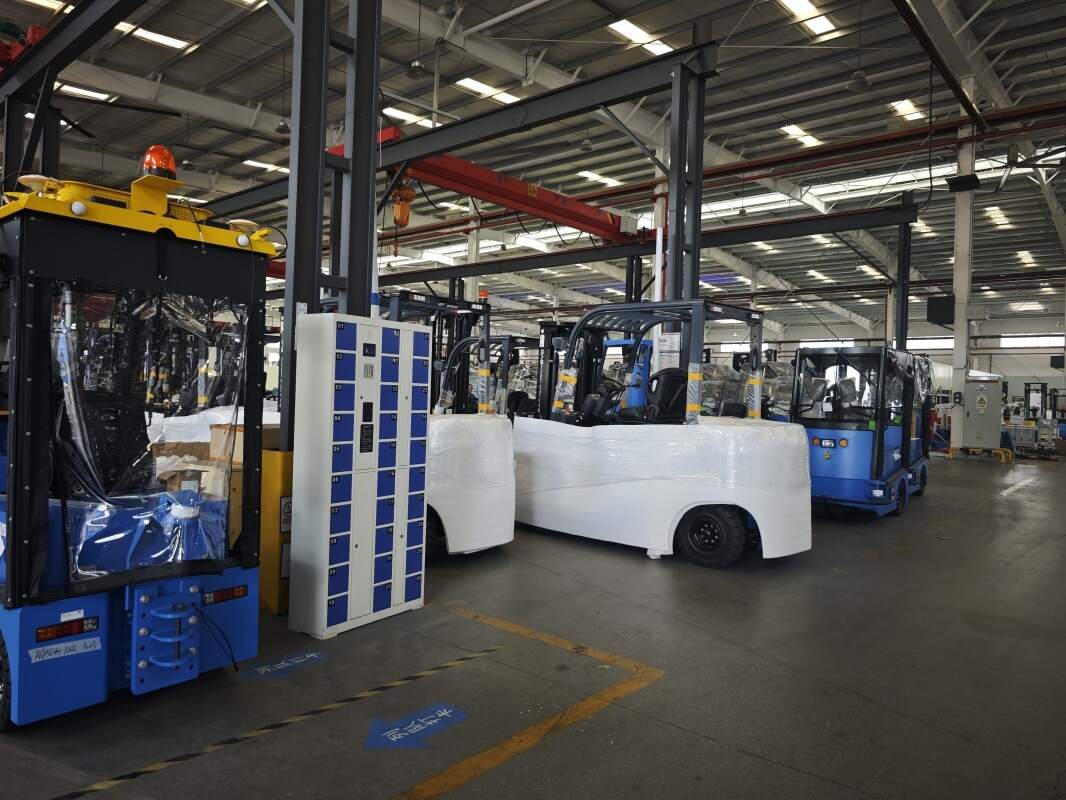
As electric forklifts have gradually become core equipment for indoor warehouse material handling and short-distance industrial logistics, mastering systematic operation and maintenance knowledge can effectively reduce unnecessary wear, lower potential safety risks and create more stable operating benefits for logistics teams.
Core Pre-operation Inspection Protocols
Before starting any shift, operators need to conduct full range of basic checks on the equipment to eliminate hidden risks in advance. The first step is to confirm the remaining power level of the power system, check for any visible damage or loose connection on the outer shell of power modules, then test the flexibility of the braking system, lifting control lever and steering mechanism to make sure no stuck response occurs. Operators also need to check the wear degree of fork arms, the clarity of surrounding warning lights and sound prompts, and confirm no sundries are blocked around the walking wheels, to prepare for the following formal operation.
Standard Daily Operation Specifications
During formal operation, operators need to strictly control the load weight within the rated load range of the equipment, avoid placing unbalanced or unstable goods on the fork arms to prevent goods from slipping during moving. When driving in narrow warehouse aisles, operators need to reduce the driving speed in advance, sound the warning prompt when turning or crossing the intersection, and maintain a safe distance with surrounding shelves, staff and other logistics equipment. It is not allowed to carry extra personnel on the equipment body, or lift people to conduct high-altitude operation without matching dedicated safety platforms, which can effectively reduce the occurrence of unexpected safety incidents.
Routine Maintenance Practices
Standardized daily maintenance can obviously extend the whole service life of electric forklifts. For the power module, operators should follow the official charging process, avoid over-discharging the power to extremely low level before charging, and also avoid long-time overcharging after the module is fully filled. Operators can wipe the dust on the surface of electrical components and heat dissipation parts regularly, avoid using high pressure water to directly flush the electrical connection area, and add appropriate amount of lubricating oil to the rotating connection parts of the lifting system and walking wheels every certain working cycle.
Scenario-based Performance Optimization Tips
For different application scenarios, users can make small adjustments on operation habits to bring better performance output. In low temperature working environment, operators can pre-run the equipment for 3 to 5 minutes before formal work, to let the power module reach the proper working temperature. For narrow-aisle warehouse scenarios, controlling the driving speed at a stable low level can help operators complete goods stacking and picking work more accurately, reducing the risk of collision with surrounding facilities. When the equipment needs to be idle for more than two weeks, operators need to charge the power module to 50% to 70% of full power, and conduct supplementary charging every one month to keep the performance of the power system in good condition.


