
 English
 简体中文
 Русский
 Français
 Português
 Español


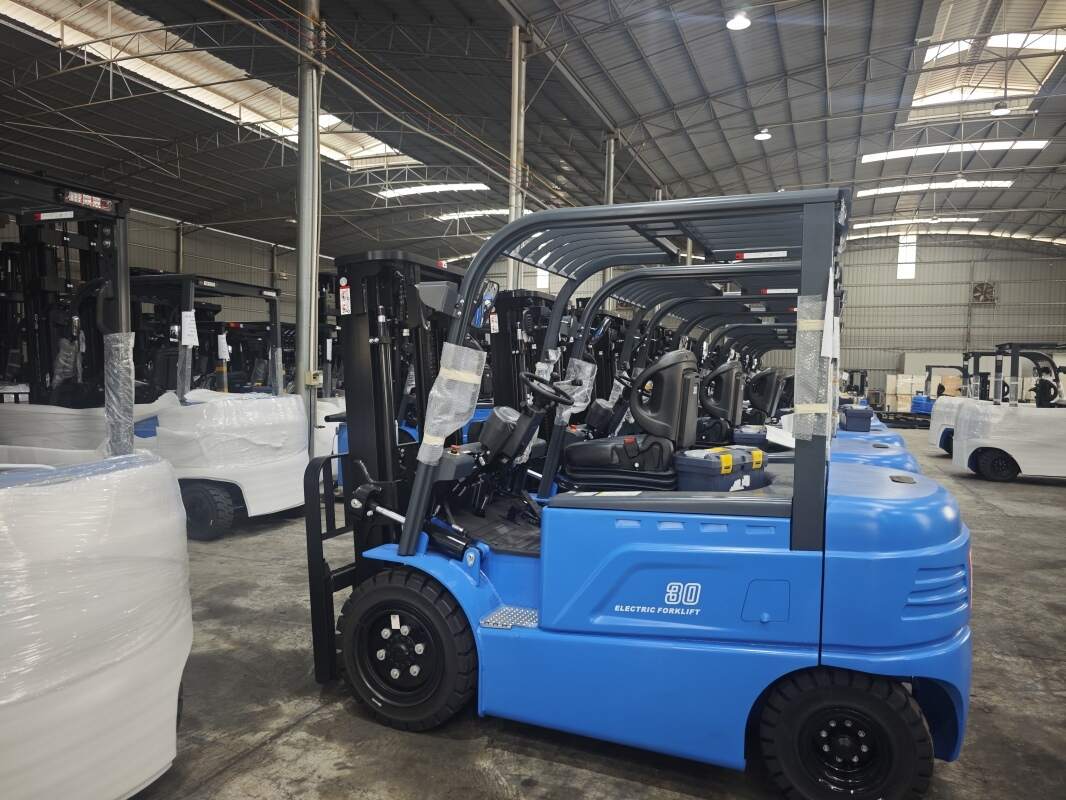
As low-carbon logistics and warehousing development accelerates across multiple industrial sectors, electric forklifts have emerged as a widely adopted material handling solution for most enclosed operation scenarios. Mastering correct use and management methods can help teams fully release the performance advantages of such equipment, reduce unnecessary operation risks, and cut long-term comprehensive operating costs.
Core Pre-operation Check Protocols
Before starting each shift of operation, operators need to complete a set of standardized inspection procedures without omission. The first step is to check the remaining power status of the power system, confirm that the power output meets the load requirements of the planned operation tasks, and no abnormal alarms appear on the display panel. Next, personnel need to inspect the wear condition of the walking wheels, lifting forks and safety protection components, to make sure no structural deformation or excessive wear that may affect normal operation exists. Operators also need to test the sensitivity of the braking system and steering system at a low speed within the designated no-load area, to rule out hidden troubles before formal handling tasks start.
Daily Maintenance Tips to Extend Service Life
Regular standardized daily maintenance helps keep the equipment in good running status for a longer period, avoiding unexpected downtime caused by minor faults. After the daily operation ends, operators should wipe the dust and residual sundries attached to the equipment surface, especially the heat dissipation structure of the power system, to prevent accumulated sundries from affecting heat dissipation efficiency. The power module should be charged in accordance with the specified operation procedures in a dry, ventilated and temperature-appropriate dedicated charging area, avoid over-discharging or over-charging behavior to protect the service life of the core power components. The movable connection parts of the lifting structure can be lubricated on a regular schedule as required by the operation manual, to keep the lifting action smooth and reduce unnecessary mechanical loss.
Scene Adaptation Optimization for Higher Operation Efficiency
Different operation scenarios have different requirements for the use of electric forklifts, and targeted adjustment of operation strategies can effectively improve the overall work efficiency. For narrow aisle operation scenarios, operators should adjust the running speed in advance, plan the travelling route reasonably to avoid frequent steering and reversing operations that may waste time. For high-lift goods stacking scenarios, operators need to control the lifting speed stably, keep the load center within the specified safe range to avoid unstable shaking of goods during the handling process. For continuous high-load operation scenarios, teams can arrange reasonable rotation of equipment, arrange necessary rest and heat dissipation for the equipment properly, to keep the stable output performance during the whole operation process. Following the above practical operation and management specifications, industrial operation teams can give full play to the inherent advantages of electric forklifts in energy conservation, low noise and flexible operation, create a safer and more efficient material handling working environment.


