
 English
 简体中文
 Русский
 Français
 Português
 Español


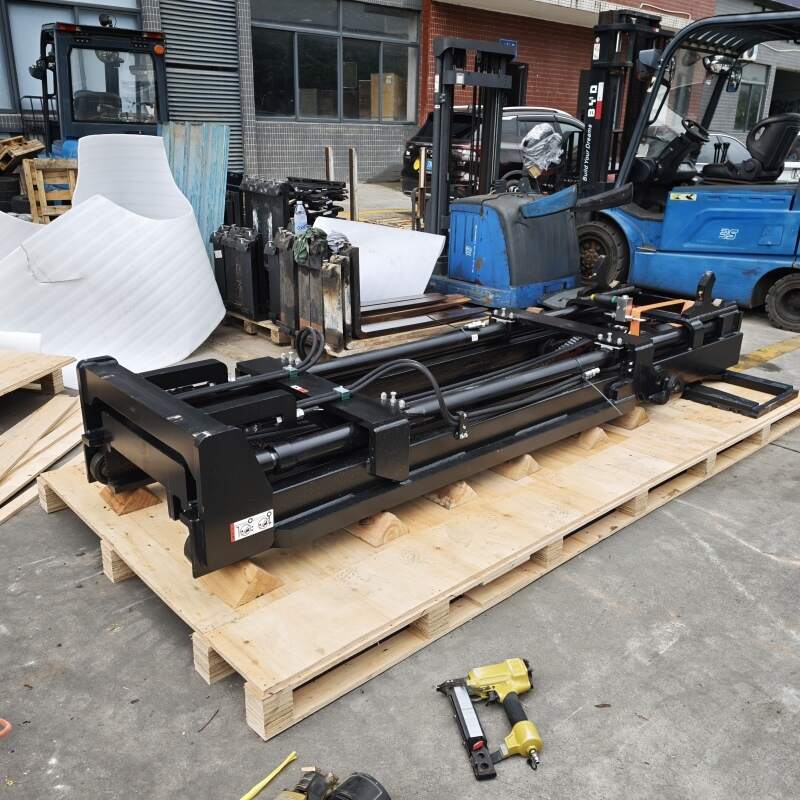
As the core low-carbon material handling equipment widely used in modern warehouses, distribution centers and manufacturing workshops, electric forklifts stand out for their low noise, zero local emission and relatively low operation cost compared with internal combustion counterparts. Mastering standardized use and scientific management rules can help operators give full play to the equipment’s performance, avoid unnecessary downtime and reduce hidden safety risks in daily work.
Standardized Pre-operation Inspection Procedures
Before starting any shift operation, operators need to complete a full round of basic check for the equipment. They can first test the braking system to confirm the response sensitivity meets operation requirements, then check the remaining battery level, tire wear status, control handle flexibility and the sealing status of hydraulic oil pipeline. It is not allowed to start operation with obvious hidden faults, and operators also need to clear obstacles in the designated operation path, confirm no unrelated personnel stay in the nearby working area before formal operation.
Core Safe Operation Specifications
During the driving process, operators should adjust the running speed according to the site condition, slow down and send warning signals when passing corners, narrow aisles and areas with heavy pedestrian flow. It is not recommended to travel with the cargo fork lifted to a high position, which may shift the center of gravity of the whole equipment and increase the risk of side rollover. The actual load of carried goods should not exceed the rated load capacity marked on the nameplate, and operators should check the remaining battery power at intervals. When the remaining power drops to around 20%, it is suggested to arrange the equipment to return to the designated charging area instead of continuing long-time high-load operation.
Routine Daily Maintenance Suggestions
After finishing daily operation, operators need to park the equipment in the designated ventilated and dry area, clean the dust and sundries attached to the body surface, and avoid washing the electronic control components with high-pressure water directly to prevent circuit short circuit. It is suggested to check the battery connection terminals regularly, apply special protective grease to prevent oxidation, and arrange professional technical personnel to conduct comprehensive component fastening and hydraulic system leakage inspection after the equipment runs for a certain cycle. Scientific maintenance habits can effectively reduce the overall operation cost of the equipment during its whole service cycle, and bring stable support for the efficient operation of the whole warehouse material handling system.


