
 English
 简体中文
 Русский
 Français
 Português
 Español


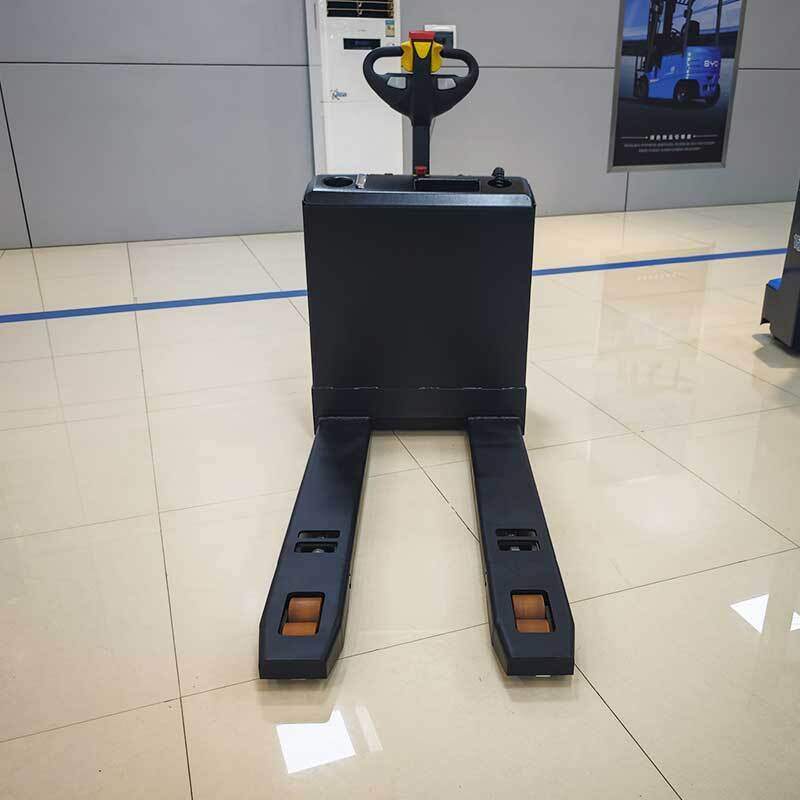
Against the backdrop of growing demand for low-carbon and efficient material handling in modern logistics scenarios, electric forklifts have become a widely adopted option for most warehouse and industrial operation sites. Reasonable operation and regular maintenance can effectively extend the service life of equipment, reduce unnecessary operation cost input, and improve the overall throughput efficiency of the handling process.
Core Pre-operation Check Protocols
Before starting any daily shift operation, operators need to complete a series of basic inspection steps to eliminate hidden risks in advance. The check scope covers the remaining power level of the power system, the flexibility of the lifting and tilting mechanism of the gantry, the wear degree of the walking wheels, the sensitivity of the braking and steering system, and the normal display status of all instrument indicators. Operators should also confirm that there are no obstacles in the scheduled operation route, and the load weight to be handled does not exceed the rated load range marked on the equipment specification, so as to avoid abnormal equipment loss caused by overloading.
Efficient Operation Best Practices
In the actual operation process, operators need to keep the running speed within the safe range set according to different site conditions, avoid sudden braking and sharp steering as much as possible, and keep a sufficient safe distance from surrounding staff and stacked goods. When the equipment is running on ramps, the goods should be kept facing the upper direction of the slope to prevent sliding and falling. During the handling of high-volume goods, the operator should properly control the lifting height of the goods to avoid touching the shelves or other obstacles above the operation area, which may cause cargo damage or equipment collision.
Routine Daily Maintenance Guidelines
After the daily operation is completed, operators need to park the equipment in the designated stable area, lower the gantry to the lowest position, cut off the main power supply in time, and complete the simple cleaning of the equipment surface to remove the dust and debris accumulated during operation. Professional maintenance personnel can regularly check the wear of key parts such as transmission components and electrical connectors according to the actual frequency of equipment use, and carry out necessary lubrication and parameter calibration work, to keep the equipment in a stable working state for a long time.


