
 English
 简体中文
 Русский
 Français
 Português
 Español


Walvis Bay serves as a core coastal logistics hub in Namibia, supporting growing cargo throughput, cold chain storage, and cross-border freight operations in recent years. For local warehouse operators, port cargo teams and distribution service providers, choosing the right material handling equipment directly impacts long-term operational stability and expenditure control, making the cost gap between traditional diesel forklifts and lithium electric forklifts a widely discussed topic in the local market.
We break down the full cost structure across the whole equipment lifecycle, instead of only focusing on the initial purchase expenditure. For upfront investment, lithium forklifts usually carry a slightly higher price tag than equivalent tonnage diesel forklifts, and the gap can be offset step by step through savings generated in subsequent daily operations.
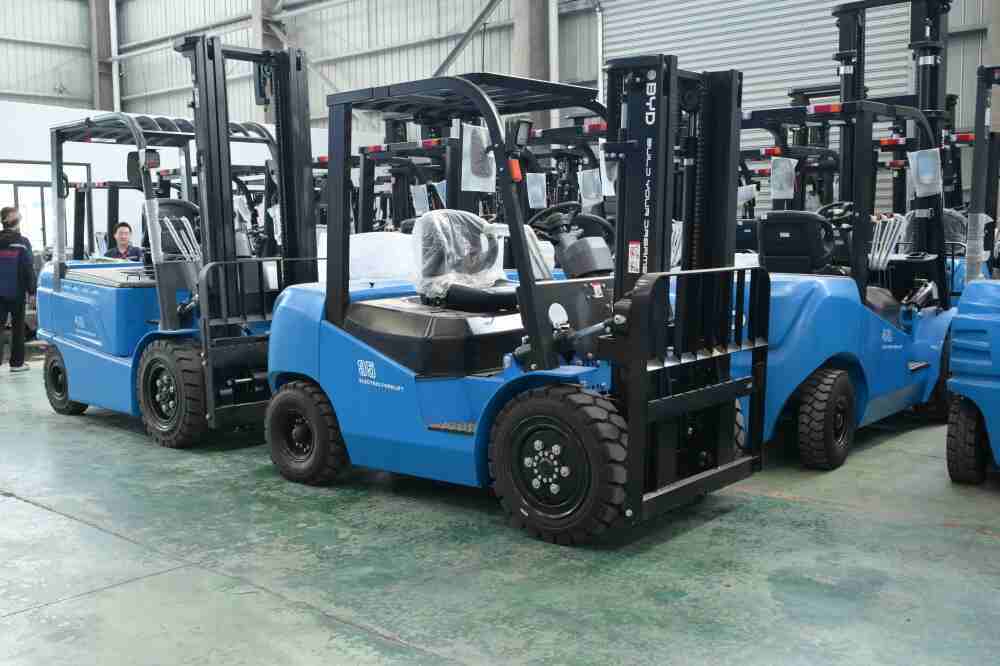
In terms of daily operating energy cost, Walvis Bay’s local diesel supply has obvious price fluctuation characteristics affected by long-distance inland transportation and international oil price trends, and the extra fuel consumption caused by low efficiency of diesel engines in frequent start-stop cargo handling scenarios will further push up monthly energy expenditure. Lithium electric forklifts, by contrast, run on local grid power, and many local logistics parks that have equipped with distributed photovoltaic systems can get even lower energy cost per operation hour, cutting the corresponding expenditure by more than half compared with diesel forklifts under the same working intensity.
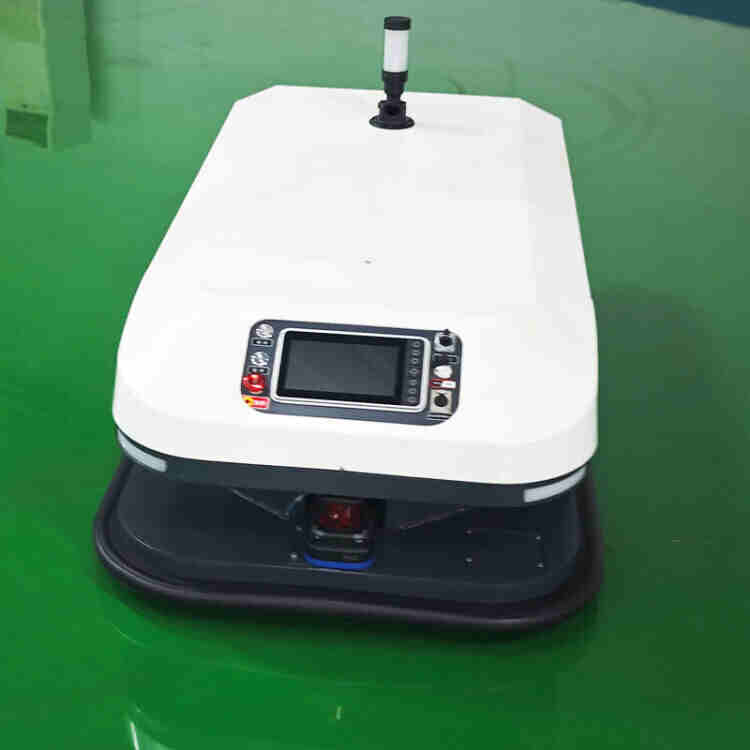
For regular maintenance cost, diesel forklifts require frequent replacement of engine oil, filter elements and exhaust system components, while lithium electric forklifts have no internal combustion engine related wearing parts, which reduces the annual maintenance labor cost and spare parts cost significantly. Besides, lithium electric forklifts produce zero exhaust emission during operation, which is fully compliant with the increasingly strict local environmental management rules for enclosed warehouses and cold storage yards, eliminating additional expenditure on exhaust treatment and emission compliance assessment.
Counting the total cost of ownership over a 5-year usage cycle, most local operation teams can recover the initial price difference between lithium forklifts and diesel forklifts within 3 to 4 years, and get more stable low-cost operation for the remaining usage period. Jian Shu New Energy, as a professional new energy forklift service provider, focuses on BYD electric forklifts, and can provide targeted cost accounting and equipment matching services for different usage scenarios in Walvis Bay. Any related consultation can be sent to [email protected] for further response.


