
 English
 简体中文
 Русский
 Français
 Português
 Español


For enterprises running logistics, manufacturing, warehouse and distribution business across Pretoria, four-wheel forklifts are core equipment that supports daily material handling operations across yards, loading docks and indoor storage areas. Many operation managers face a common decision when renewing or expanding their fleets: choosing between diesel-powered four-wheel forklifts and electric four-wheel forklifts, and the full cost picture beyond initial purchase price is often the core reference for long-term investment decisions.
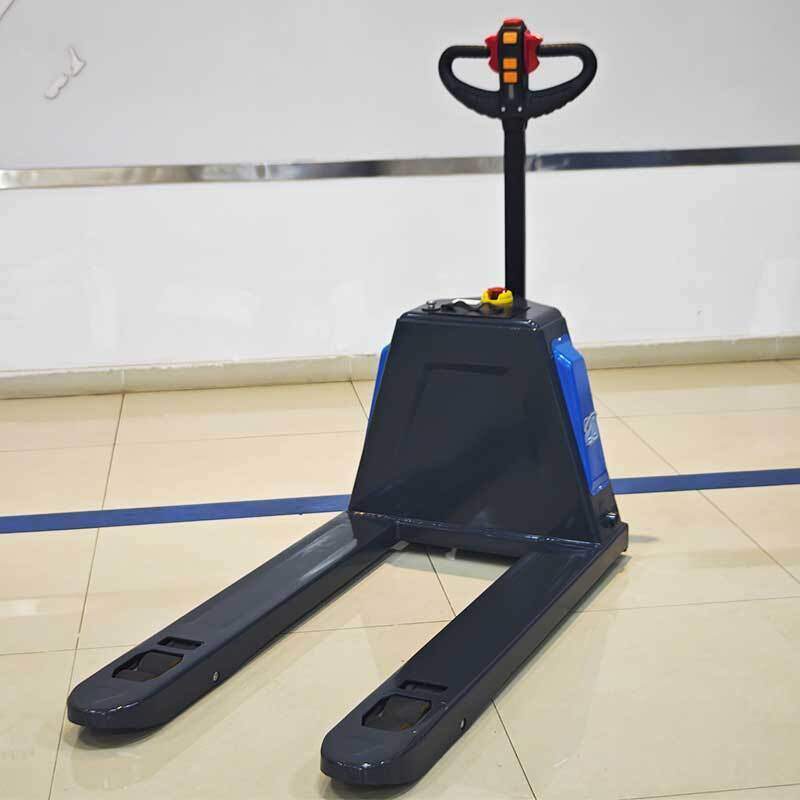
Generally, the initial procurement cost of a standard electric four-wheel forklift is slightly higher than a diesel model of equal load capacity, which is the first point that many decision makers notice when making budget plans. But the gap in subsequent operating and maintenance costs gradually narrows the difference in initial input as the service life extends, and the total cost of ownership will show obvious difference after 1 to 2 years of continuous use.
For diesel four-wheel forklifts running in Pretoria, daily operation cost includes fuel cost, regular filter replacement, engine oil replacement, exhaust system maintenance, and additional cost for emission compliance inspection that meets local environmental regulations. For working scenarios with 8-hour daily operation, the monthly fuel and related maintenance cost of a diesel forklift accumulates to a considerable sum within one year. While for electric four-wheel forklifts, the core daily cost is the electricity charge for charging, which is far lower than the fuel cost on the same operating hour basis, and there is no need for regular maintenance for fuel power systems, the required regular check only covers brake, tire and battery status, which cuts most of the maintenance expenditure.
There are also hidden cost factors that many decision makers easily ignore. Electric four-wheel forklifts produce zero exhaust emission during operation, which is fully suitable for indoor warehouse operation without extra ventilation system renovation, and the low noise feature also improves on-site working environment for operators, which reduces potential health-related compliance cost for enterprises. With the implementation of carbon emission reduction regulations in Pretoria’s industrial zones in recent years, enterprises using zero-emission electric material handling equipment can also meet related regulatory requirements more smoothly, avoiding extra possible compliance expenditure.
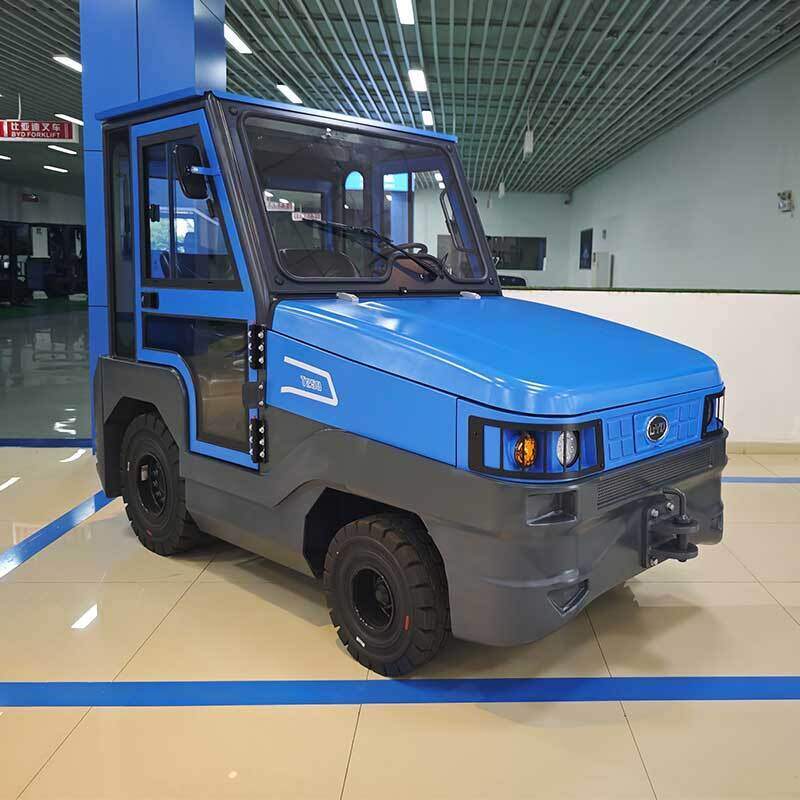
Calculated based on the total ownership cost within 5-year service cycle, electric four-wheel forklifts show prominent cost advantages for most medium and high frequency operation scenarios in Pretoria. We are Jian Shu New Energy, focusing on BYD electric forklift supply and related supporting services. If you need targeted cost calculation for your own fleet scenario, you can send your inquiry to [email protected] for further professional support.


