
 English
 简体中文
简体中文 Русский
 Français
 Português
 Español

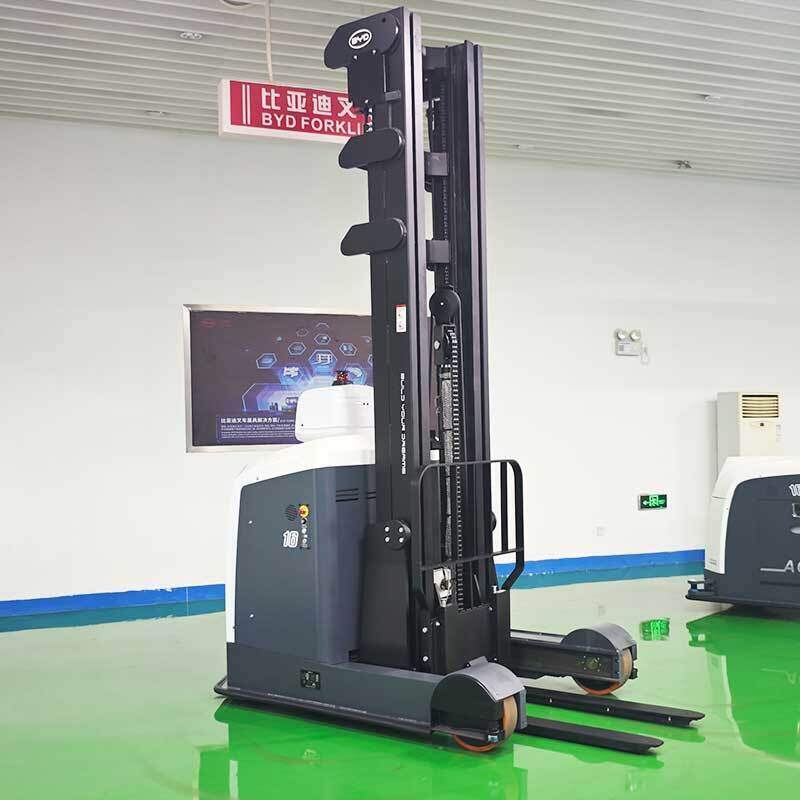
As low-carbon material handling solutions gain wider application across logistics, manufacturing and retail storage scenarios, electric forklifts have become one of the most common core handling equipment for most operation teams. Their advantages of low noise, zero direct emission and relatively low long-term operation cost have been widely recognized by industry practitioners, but a large number of teams still have not fully mastered the correct usage logic to maximize the value of such equipment.
Core Precaution Rules for Daily Safe Operation
Before each shift of operation, operators need to complete a full range of pre-use checks, covering remaining battery level, brake response sensitivity, hydraulic lifting component sealing condition and tire surface wear status, to eliminate hidden risks before formal operation. During the driving and handling process, operators should strictly follow the rated load limit of the equipment, avoid sharp turning and sudden braking at high speed, and send warning signals in advance when passing through narrow aisles or areas with dense pedestrian flow. After the operation task is completed, the equipment should be parked on a flat designated area, cut off the main power supply, and avoid long-term parking on sloped roads to prevent unexpected sliding.
Scientific Maintenance Strategies to Extend Equipment Service Life
The power battery is the core component that determines the overall usage cost of electric forklifts. Operators should follow the official charging specifications, avoid deep discharge before charging, and arrange regular supplementary charging for the equipment that is in long-term idle state every 30 days to keep the battery activity at a stable level. Teams also need to arrange regular cleaning of the motor heat dissipation channel, regularly lubricate the lifting chain and steering bearing components, remove dust and debris accumulated on the equipment surface in time, to reduce unnecessary component wear caused by poor heat dissipation or insufficient lubrication.
Practical Tips to Improve Overall Operation Efficiency
Operation teams can match the electric forklift with appropriate tonnage according to the maximum weight of conventional handling goods, to avoid unnecessary energy consumption caused by using over-specification equipment for light goods handling. It is also feasible to adjust the storage goods placement and operation route planning reasonably, to shorten the no-load driving distance of the forklift as much as possible. Regular skill training for operators can help them master the switching rules of different power modes, select the most appropriate operation mode according to different working conditions, so as to further reduce energy consumption and improve the smoothness of the whole material handling process.


