
 English
 简体中文
 Русский
 Français
 Português
 Español


Porto-Novo, as the core administrative, trade and logistics hub of Benin, has seen fast expansion of its port cargo handling, urban distribution and large-scale warehousing sectors in recent years. A 3.5 ton forklift is one of the most widely applied material handling equipment for most local operation teams, and clarifying the accurate cost per hour of such equipment is the core premise for local operators to optimize their operation budget and improve overall revenue efficiency.
When calculating the hourly operating cost of a 3.5 ton electric forklift, the first part to be counted is the energy consumption cost. Combined with the local industrial electricity price standard in Porto-Novo, under conventional full-load cyclic operation scenarios, the hourly power consumption of a standard 3.5 ton electric forklift stays at a stable and low range, and the corresponding energy expenditure is far lower than the fuel cost of the same tonnage internal combustion forklift running for the same time.
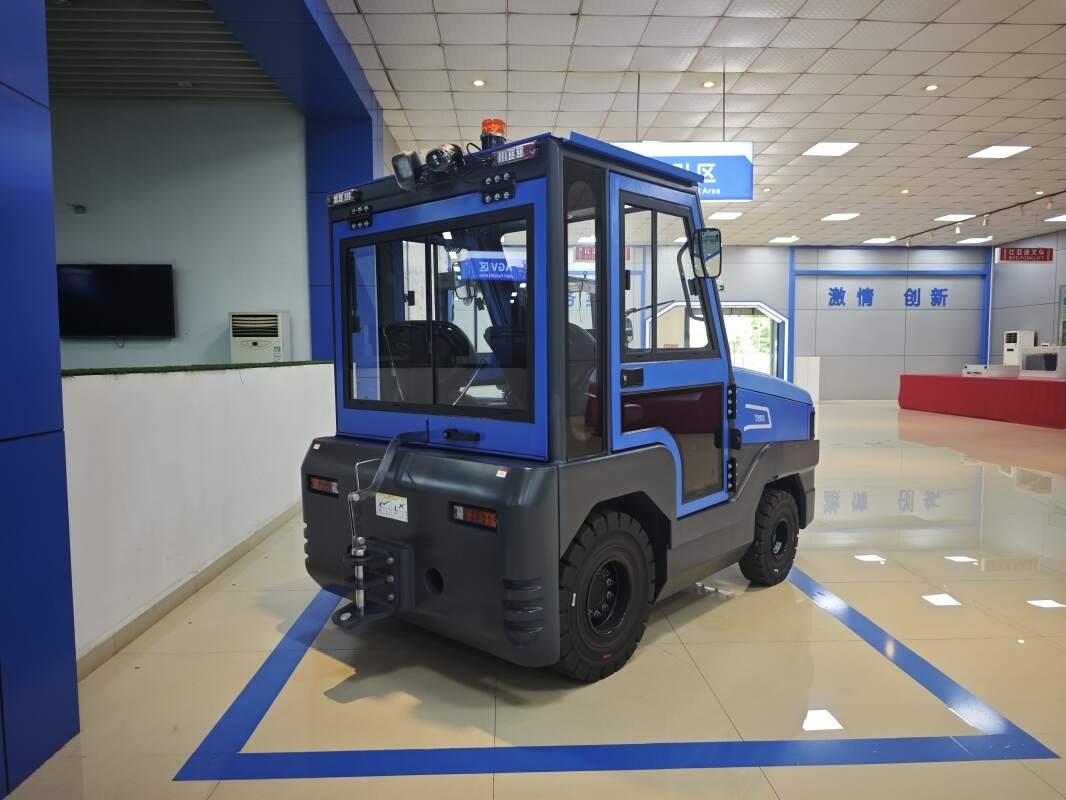
The second core component of hourly cost is the maintenance and upkeep expense. Different from internal combustion forklifts that have complex engine fuel supply, exhaust treatment systems, electric forklifts adopt relatively simpler power structure, which means the types of consumables required for regular maintenance are fewer, the maintenance cycle is longer, and the labor cost for after-sales service is lower. When the total annual maintenance expense is evenly allocated to all effective working hours of the equipment, the unit hourly maintenance cost is very controllable for local operators.
The third part of the cost is depreciation amortization. We can calculate the hourly depreciation cost by dividing the total procurement cost of the equipment by its designed total effective service hours under normal operation conditions. For 3.5 ton electric forklifts that can maintain stable performance even after thousands of hours of operation, the amortized hourly depreciation cost stays at a reasonable level. In addition, operators in Porto-Novo do not need to pay extra emission-related fees for electric forklifts, and such equipment can be deployed in closed indoor storage scenarios without use restriction, which avoids a lot of hidden extra operation cost that may occur for fuel forklifts.
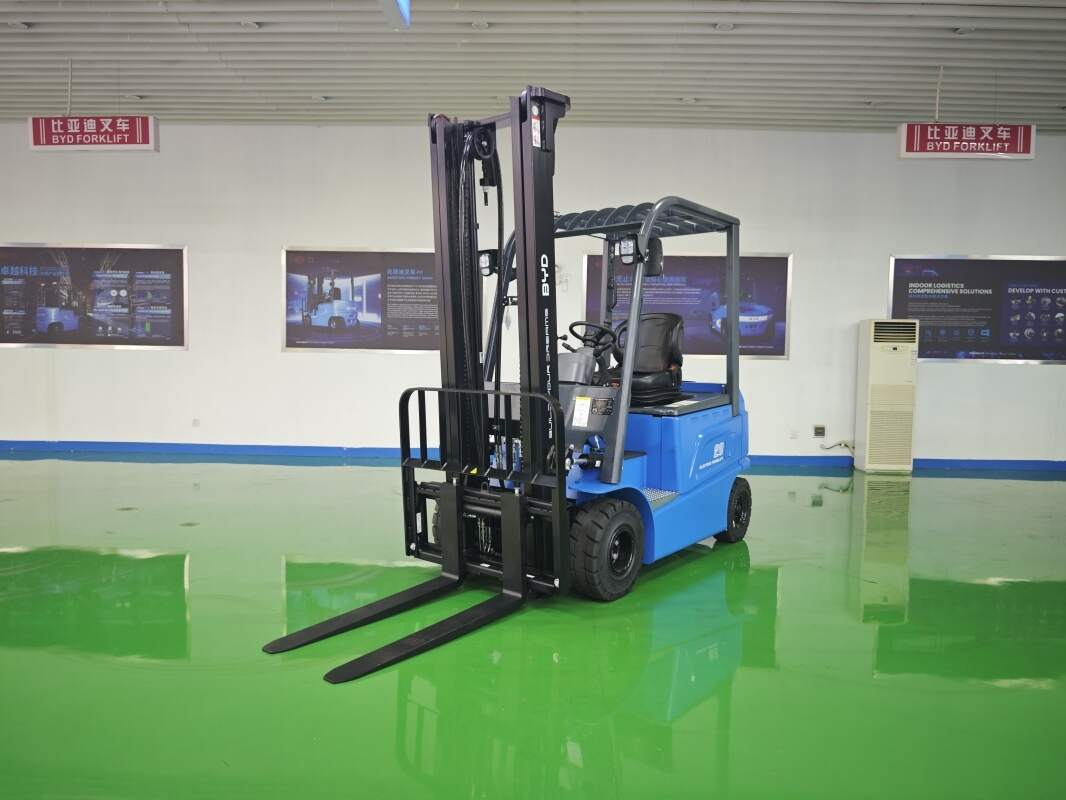
As Jian Shu New Energy that focuses on BYD electric forklifts, we have accumulated rich experience in cost calculation for local operation scenarios in Porto-Novo. If you need a customized cost per hour report of 3.5 ton electric forklift that matches your actual operation intensity, site condition and operation cycle, you can send your detailed demand to [email protected] for professional support.


