
 English
 简体中文
 Русский
 Français
 Português
 Español


In recent years, the rapid development of warehousing, logistics and light manufacturing industries in Kigali has driven growing demand for efficient, low-carbon material handling equipment. Electric stackers, as core equipment for short-distance cargo stacking and transportation, are widely favored by local enterprises for their zero emission, low noise and easy operation features. As the core power component of electric stackers, the performance of the power battery directly determines the equipment’s operation efficiency and full-cycle use cost, so battery life and replacement cost have become the top concerns for most local equipment operators.
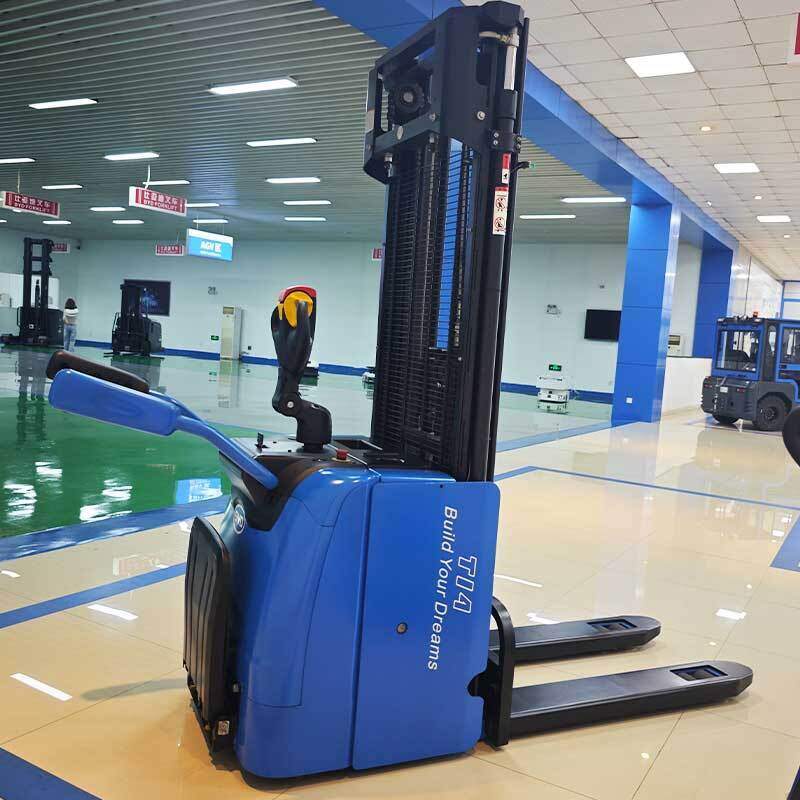
Multiple practical factors will affect the actual service life of electric stacker batteries in daily use. First, operating habits matter a lot. Operators who strictly avoid over-discharging the battery below the recommended safe threshold, and arrange charging at the proper residual power range, can effectively extend the battery’s usable cycle times. Second, the local climatic condition in Kigali also has a subtle influence. Keeping the charging and storage environment dry and at a mild temperature can avoid extra consumption of battery internal components. With standardized daily operation and regular inspection, the mainstream lithium batteries matched for electric stackers can reach a service life of 3 to 6 years under normal commercial working scenarios.
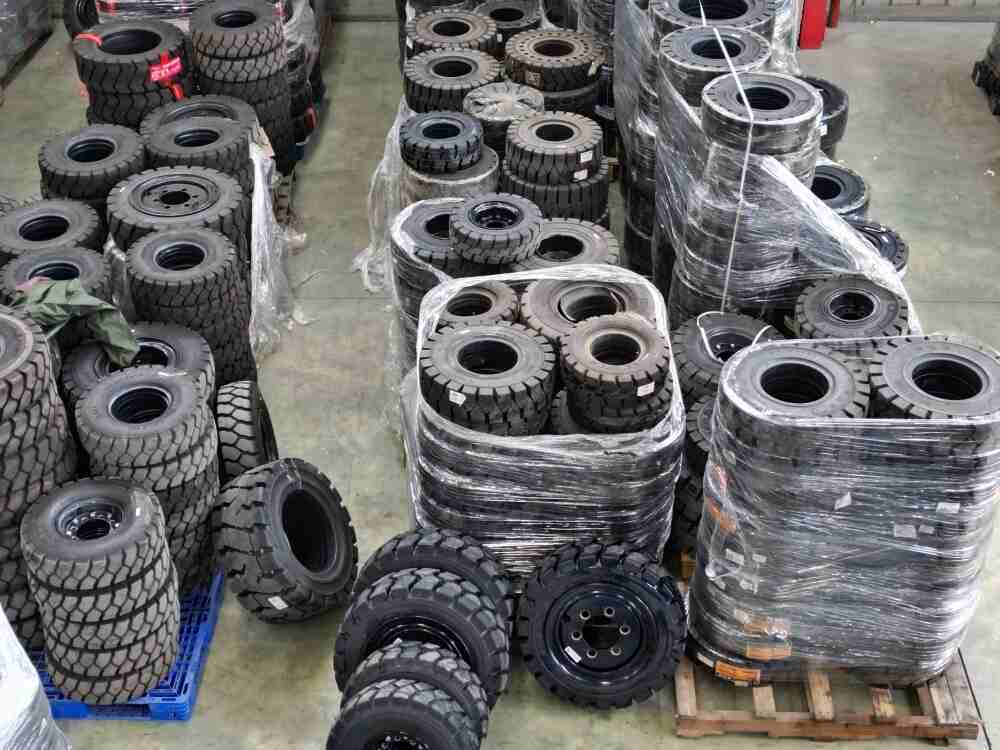
For many local enterprise operators, the transparency of electric stacker battery replacement cost is the key point for their equipment budget planning. The actual replacement cost varies based on the battery’s rated capacity, matching performance, and whether the after-sales service such as on-site installation and follow-up warranty is included. Users are suggested to choose formal compliant battery supply channels, instead of selecting uncertified ultra-low-cost products from unknown sources, which may bring hidden safety risks and cause extra unplanned maintenance expenditure in subsequent use.
To further reduce the comprehensive use cost of electric stackers, operators can adopt several simple and feasible maintenance measures in daily work. Do not leave the battery in full power loss state for more than 72 hours, arrange regular professional inspection of battery cell status and line connection, and keep the battery surface clean to avoid dust and moisture accumulation. These small operations can effectively delay the battery performance attenuation, and maximize the value of the equipment’s full service cycle.
As a professional new energy supplier focused on BYD electric forklifts, Sharp Tree New Energy provides full range of battery inspection, maintenance and standardized replacement services for electric stacker users in Kigali and surrounding areas. If you have related demands or consultation needs, you can send an email to [email protected] to get a targeted professional solution.


