
 English
 简体中文
 Русский
 Français
 Português
 Español


Counterbalance forklift is one of the most widely used material handling equipment in modern logistics, manufacturing and warehousing scenarios. Many new and experienced operators, and procurement managers have different confusions during the selection and daily use process, and we sort out the most frequently asked questions and give professional and practical answers for reference.
The first common question is what is a counterbalance forklift. Different from reach trucks that rely on extended legs to support load, the counterbalance forklift sets extra counterweight structure at the rear of the vehicle body, which can fully offset the weight of the cargo and forks at the front end without additional supporting legs. This structural feature allows the vehicle to turn flexibly and adapt to operation in narrow aisles, outdoor yards and indoor closed workshops.
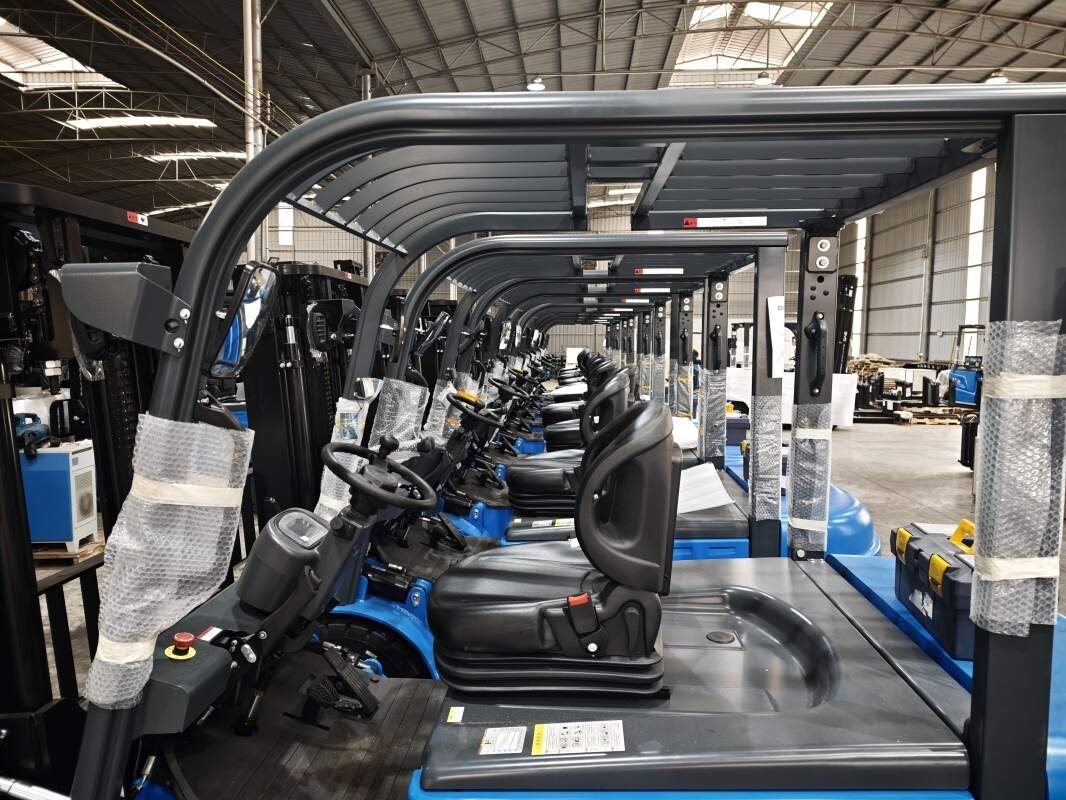
The second common question focuses on the advantages of electric counterbalance forklifts. Compared with fuel-powered counterparts, electric counterbalance forklifts produce no exhaust emission during operation, run at lower noise level, and bring more friendly operation experience for drivers and surrounding staff. It is also more suitable for scenarios that have strict requirements for environmental cleanliness such as food processing, pharmaceutical manufacturing and cold storage warehouses.
The third common question is about the continuous working duration of electric counterbalance forklifts. Under regular standard operation conditions with medium load rate, a fully charged new energy electric counterbalance forklift can support 6 to 8 hours of continuous normal handling work. Most of the mainstream models support fast charging function, which can complete sufficient power supplement during the short break at noon, and meet the operation demand of two shifts per day.
The fourth common question relates to operation specifications. It is required that all operators should complete formal safety operation training before taking up the post, get familiar with the parameters of load center distance, maximum allowable load weight, and standard operation flow on the slope and during cargo stacking, to avoid safety risks caused by misoperation.
The fifth common question is about daily maintenance. Operators need to complete basic pre-shift inspection work including checking battery power level, braking sensitivity, fork wear status and tire condition. Professional technical personnel can carry out regular inspection of the circuit system, lubrication of transmission components and other maintenance work on a regular basis, to extend the service life of the whole vehicle.
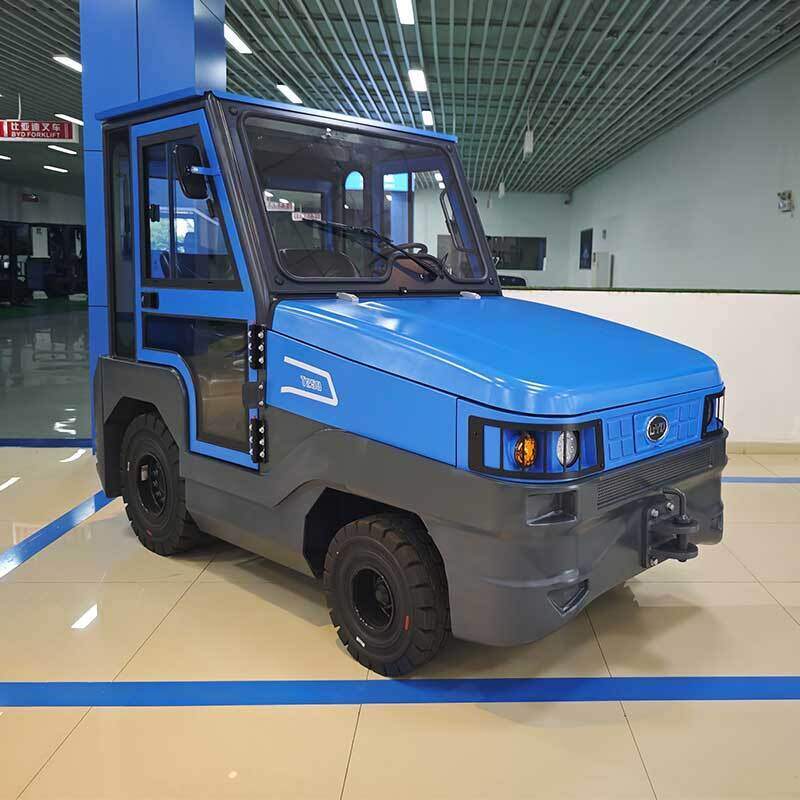
As a professional supplier focusing on new energy handling equipment, Jian Shu New Energy is dedicated to BYD electric forklifts. If you have more demands for model selection, operation guidance or after-sales service consultation, you can send emails to [email protected] to get targeted professional support.


