
 English
 简体中文
简体中文 Русский
 Français
 Português
 Español

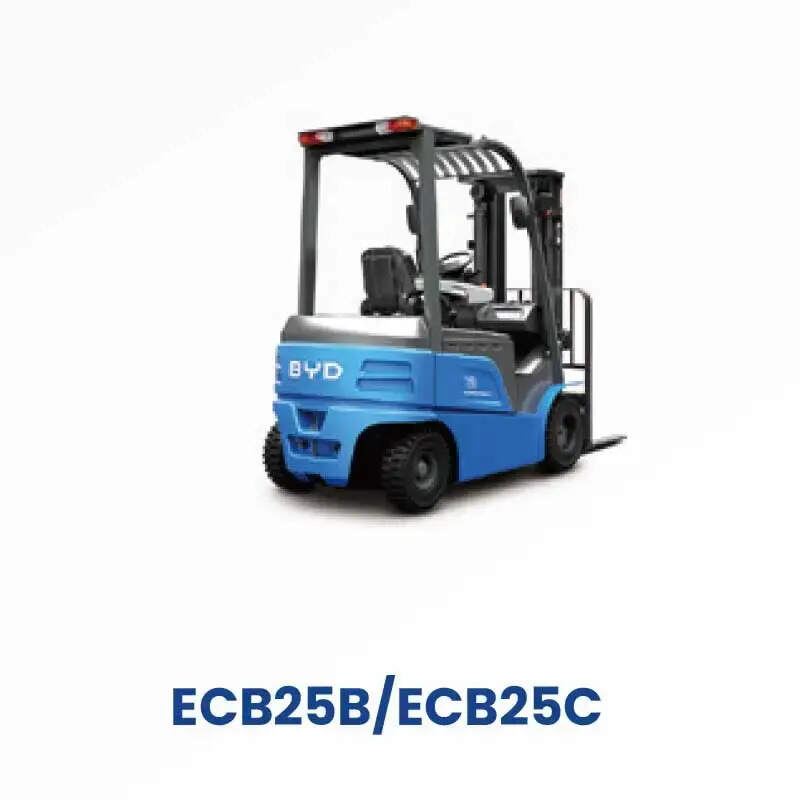
Against the background of continuous promotion of low-carbon industrial logistics, electric forklifts have gradually become the mainstream choice for indoor and enclosed space material handling, and relevant operation and application knowledge has attracted more attention from front-line operators and warehouse managers.
Core Functional Advantages of Electric Forklifts
Compared with internal combustion counterparts, electric forklifts produce no exhaust emissions during operation, which can effectively avoid air pollution in enclosed warehouse spaces. The overall noise level of running equipment is kept at a relatively low range, which can reduce noise interference to surrounding staff and goods that have strict requirements for quiet storage environment. Most models adopt integrated electric drive systems, with smoother power output and more convenient operation control logic, which reduces the learning threshold for new operators to a certain extent.
Standardized Operation Essentials for Daily Use
Before starting the equipment every day, operators need to check the remaining power level, the flexibility of the lifting mechanism, the braking sensitivity and the integrity of the warning light system first, and carry out no-load test run for 1 to 2 minutes to confirm no abnormal condition. During the handling process, the load weight should be controlled within the rated load range marked on the equipment body, avoid sudden acceleration or sudden braking as much as possible, and keep the goods at a low position when moving on the passage to prevent the goods from tipping over. It is not recommended to operate the equipment on slopes with excessive inclination, and relevant protective measures should be taken when working in rainy or high humidity environment.
Routine Maintenance Suggestions to Guarantee Stable Performance
After daily operation, the equipment should be parked in the designated ventilated and dry area in time, the power supply should be connected for charging according to the specified operation process, and the surface of the battery and the pole position should be kept clean. Regularly clean the dust and sundries accumulated in the drive motor and heat dissipation structure, check the wear degree of the tire and the transmission part, and replace the corresponding accessories in time when the wear value reaches the specified threshold. Scientific maintenance habits can effectively reduce the frequency of equipment failure, and help extend the overall service cycle of the equipment to a certain extent. Reasonable matching of electric forklift models with actual operation scenarios can give full play to the performance advantages of the equipment, and bring more stable and cost-effective operation experience for the whole material handling link.


