
 English
 简体中文
 Русский
 Français
 Português
 Español


When you plan to introduce or update a counterbalance forklift for your warehouse, logistics yard or manufacturing facility, a systematic evaluation process helps you select equipment that matches your actual operation demands, reduces long-term operating costs and ensures daily operation safety. This checklist covers all core dimensions you need to check during the whole evaluation process, without missing any key practical items.
The first part is load and motion performance verification. You need to test the lifting stability under different rated load levels, roll control performance at low speed turning, ramp starting ability under full load state, and the smoothness of fork lifting and lowering process, to make sure there is no obvious stutter or abnormal sound during operation. You also need to check whether the actual rated working parameters of the equipment match the demands of your daily operation scenarios, including the maximum weight of goods you carry regularly, the maximum lifting height you use most often, and the maximum slope of your operation area, to ensure the equipment capacity can fully cover the regular operation demands, and avoid overloading usage in daily work.
The second part is energy efficiency and runtime inspection. For electric counterbalance forklifts, you need to verify the continuous working time under full power state, energy consumption level per unit operation, battery cycle service life, and the compatibility with supporting charging facilities. For scenarios with long-term high frequency operation, longer effective working time can reduce the waiting time for mid-shift supplementary charging, and effectively improve the overall operation circulation efficiency. Lower energy consumption per unit operation also helps control the operating cost in the long run.
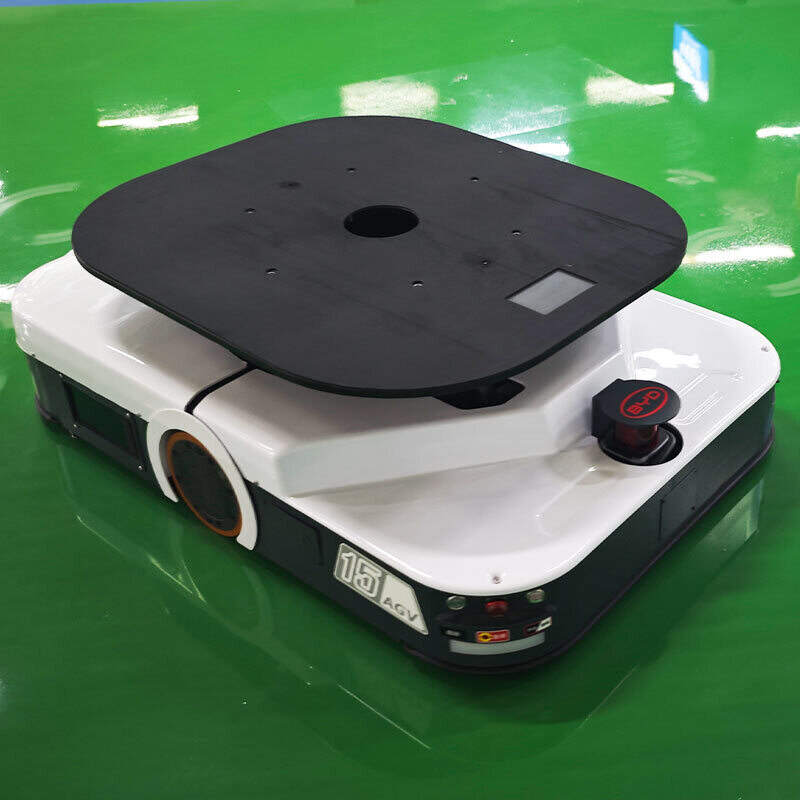
The third part is safety configuration check. You need to verify that all standard safety configurations are complete, including speed limit protection system, overload alarm device, driver seatbelt interlock function, automatic deceleration mechanism when lifting to high position, reversing acousto-optic reminder device, and response sensitivity of emergency power off button. All safety functions should be tested through actual operation to confirm effectiveness before the equipment is officially put into use.
The fourth part is daily maintenance and after-sales support assessment. You can evaluate the replacement convenience of daily wearing parts, the time range of after-sales response, the cost level of regular maintenance, and the supply stability of subsequent spare parts. This part is directly related to the smooth use of the equipment in the whole life cycle, and can reduce the operation loss caused by unexpected shutdown.
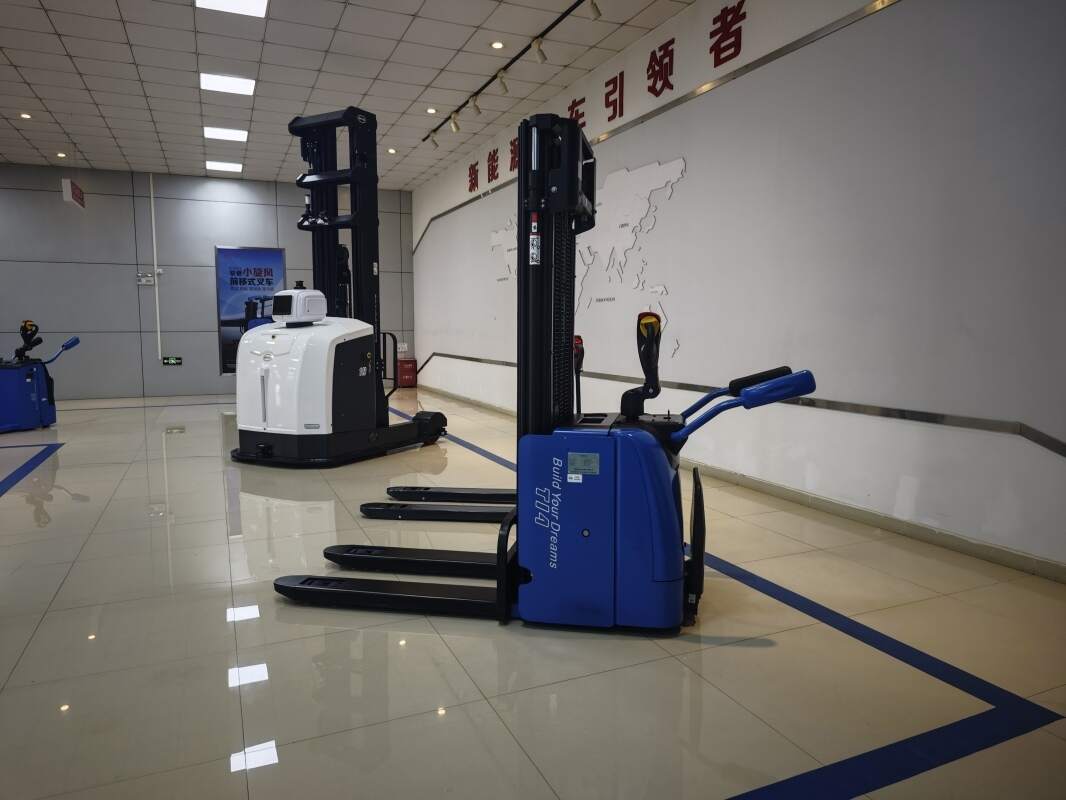
If you need more professional reference for electric counterbalance forklift evaluation and selection, you can contact us via [email protected]. We are Jianshu New Energy, focusing on BYD electric forklift supply and full range supporting services, to provide customized suitable equipment solutions for different types of operation scenarios.


