
 English
 简体中文
 Русский
 Français
 Português
 Español


Electric forklifts have become the mainstream choice for modern warehouse, manufacturing and logistics scenarios in recent years, thanks to their low operation noise, zero on-site emission and low long-term use cost. As Jianshu New Energy, we focus on supplying high-quality BYD electric forklift solutions, and you can reach us via [email protected] for any relevant consultation. The following 5 practical points can help you better understand and use this type of material handling equipment properly.
1. Power supply structure difference from internal combustion forklifts
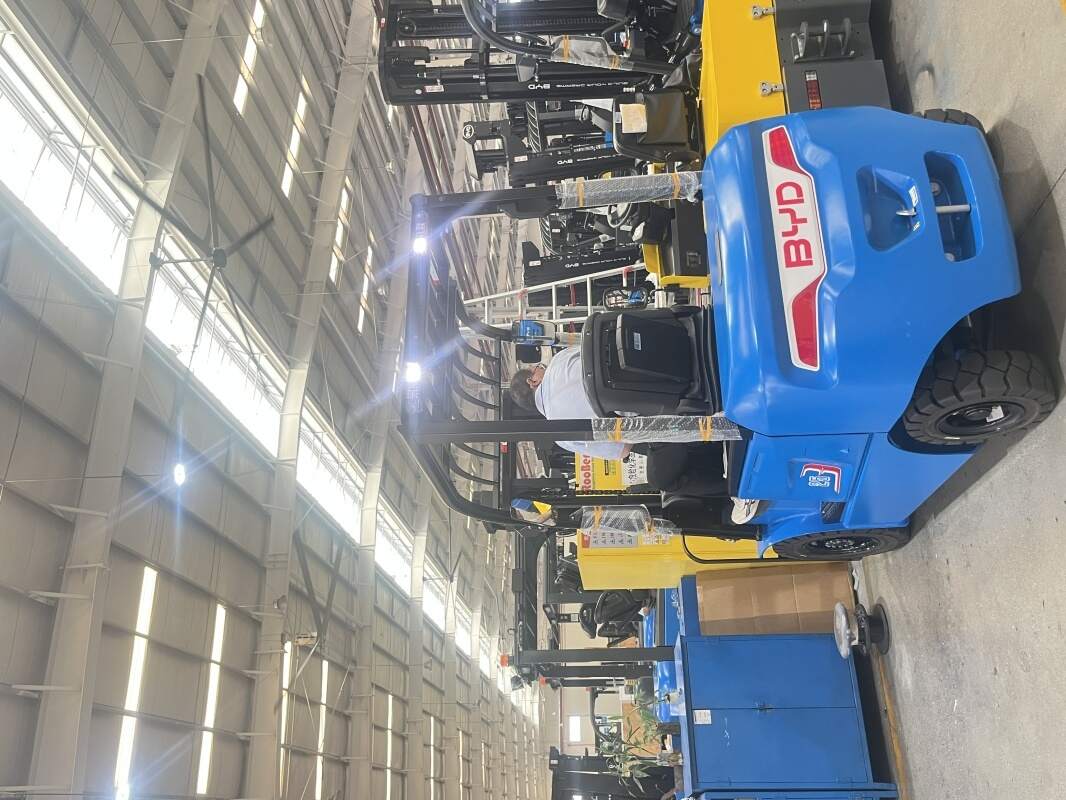
Different from traditional fuel forklifts that rely on diesel or gasoline to generate power, most standard electric forklifts use on-board lithium iron phosphate battery packs as the core energy source. The full charge time of mainstream models usually ranges from 2 to 8 hours depending on the battery capacity configuration, and users do not need to arrange special fuel storage points in the working site, which effectively reduces the hidden safety risks of flammable and explosive materials in closed operation spaces.
2. Applicable scenario matching rules
Electric forklifts are more suitable for indoor closed warehouses, food processing workshops, pharmaceutical production sites and other scenarios that have strict requirements for exhaust emission and operation noise. For outdoor working sites with long continuous operation hours and no fixed charging conditions, you can choose models with large battery capacity or supporting spare battery swapping configuration to meet all-day operation demands.
3. Daily maintenance core points
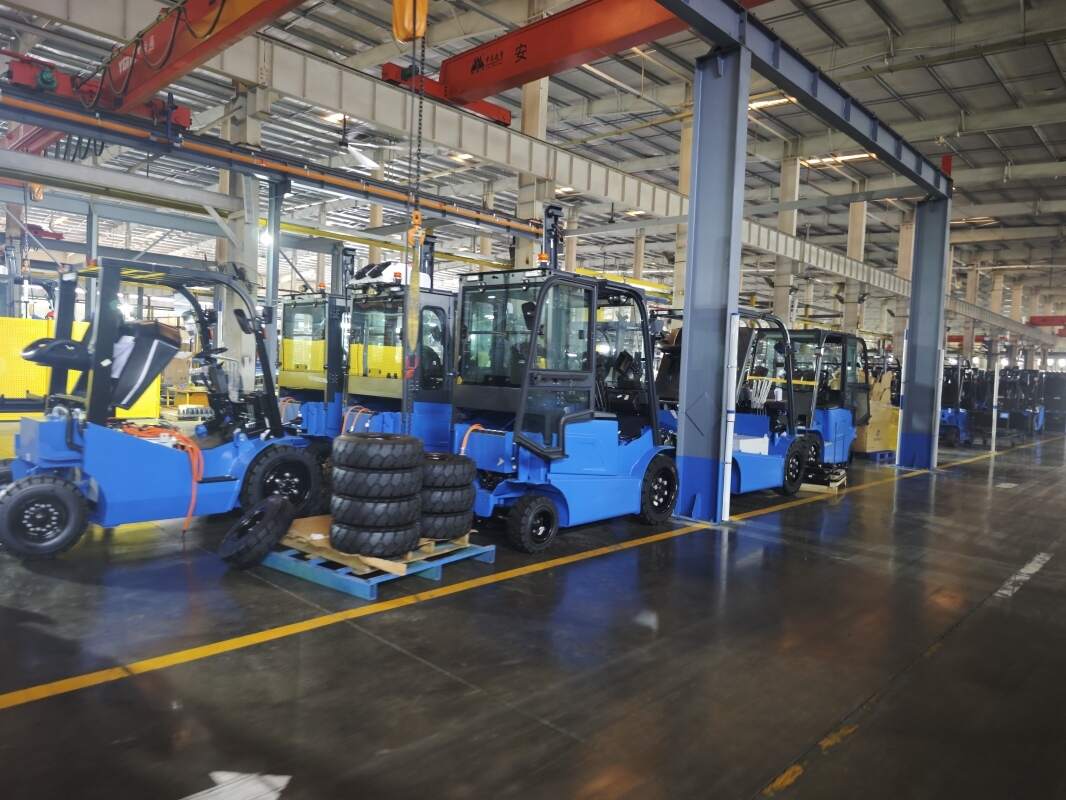
Compared with internal combustion forklifts that need regular replacement of engine oil, filter elements and other wearing parts, the daily maintenance work of electric forklifts is mainly concentrated on the inspection of battery connection points, tire wear condition, brake sensitivity and lifting system lubrication. The overall maintenance cycle is longer, and the daily maintenance cost is significantly lower than that of fuel counterparts under the same operation intensity.
4. Operation safety specification requirements
New operators need to complete formal professional operation training before they can drive the electric forklift to work officially. It is not allowed to overload the equipment beyond the rated load, and operators should avoid sharp acceleration and sharp steering operations as much as possible during the driving process, so as to extend the service life of the motor and battery pack effectively.
5. Total life cycle cost accounting
Many users will notice that the upfront purchase cost of electric forklifts is slightly higher than that of fuel forklifts with the same load weight, but if you calculate the total cost within the 5 to 8 years of normal service life, the total expenditure on electricity, maintenance and daily consumables will be much lower than the total fuel and maintenance cost of traditional fuel forklifts, which brings more stable cost control effect for long-term continuous operation scenarios. If you have further demands for electric forklift configuration selection, operation training or after-sales service consultation, you are welcome to contact our team at [email protected] at any time.


