
 English
 简体中文
 Русский
 Français
 Português
 Español


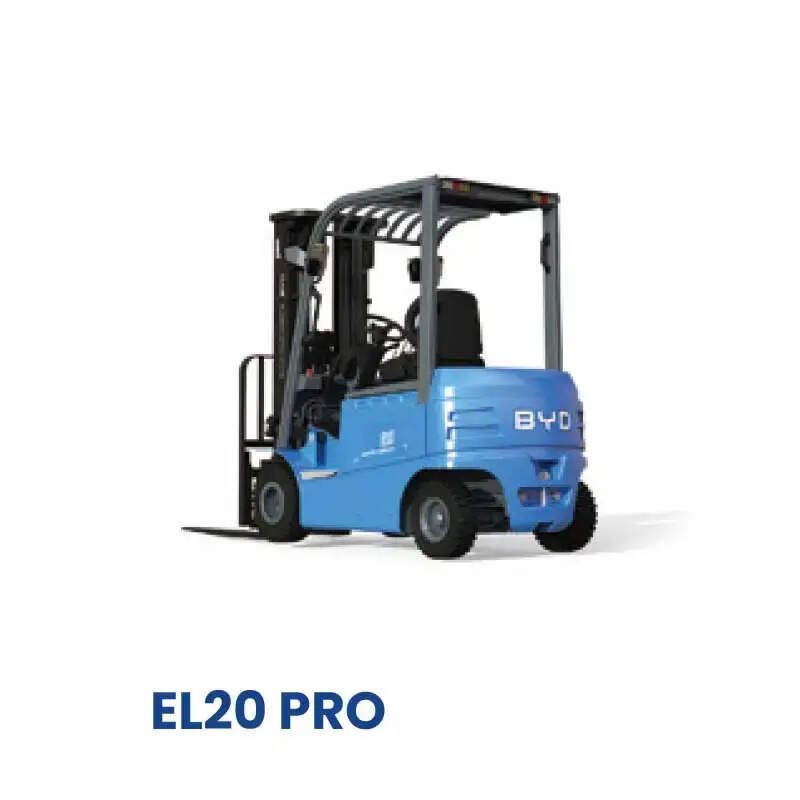
With the continuous popularization of low-carbon material handling solutions in the global logistics and warehousing industry, electric forklifts have become one of the most widely used loading and unloading equipment in various indoor operation scenarios. Mastering scientific operation logic and standardized maintenance methods can help operators give full play to the performance advantages of this type of equipment, and create more stable operation support for the whole warehouse material turnover process.
Core Standardized Operation Specifications
Before each startup, operators need to complete basic pre-inspection work, including checking the remaining battery power, the flexibility of the braking system, the smoothness of the lifting gantry, and the no-blocking state of the walking wheel structure. During the operation process, it is not recommended to carry out over-load handling beyond the rated load range, slow down in time when turning, and keep a safe distance from surrounding stacked goods and passing personnel. When the remaining battery power drops to the preset warning threshold, the equipment should be driven to the designated charging area in time for charging to avoid deep discharge caused by forced continuous operation, which will cause irreversible damage to the power battery pack.
Routine Maintenance Work to Reduce Failure Risk
After each daily operation is completed, operators can wipe the dust and debris accumulated on the surface of the motor, heat dissipation assembly and body shell, so as to avoid the blockage of the heat dissipation structure caused by long-term accumulation of sundries. The maintenance personnel can regularly check the connection state of the battery interface, deal with the slight oxidation phenomenon on the contact position in time, and check the hydraulic oil pipeline for leakage, and the tread wear degree of the walking tire. All maintenance operations should be carried out after the main power supply of the equipment is disconnected, so as to avoid accidental touch of the control structure leading to unexpected safety risks.
Scenario Adaptation Optimization Suggestions
For different special operation scenarios, operators can adjust the corresponding operation habits according to the actual situation. For example, when operating in low-temperature constant temperature storage areas, appropriately reduce the running speed of long-distance movement, and avoid the equipment staying in the water accumulation area for a long time when passing through the cleaning area. For the high shelf operation scene, you can adjust the lifting speed gear according to the weight of the goods, to ensure the stability of the goods in the process of high altitude lifting. Long-term adherence to standardized operation and targeted maintenance can effectively reduce the downtime of electric forklifts, create a more stable operating state for the whole material handling process, and match the diversified operation needs of modern warehouse scenarios.


