
 English
 简体中文
 Русский
 Français
 Português
 Español


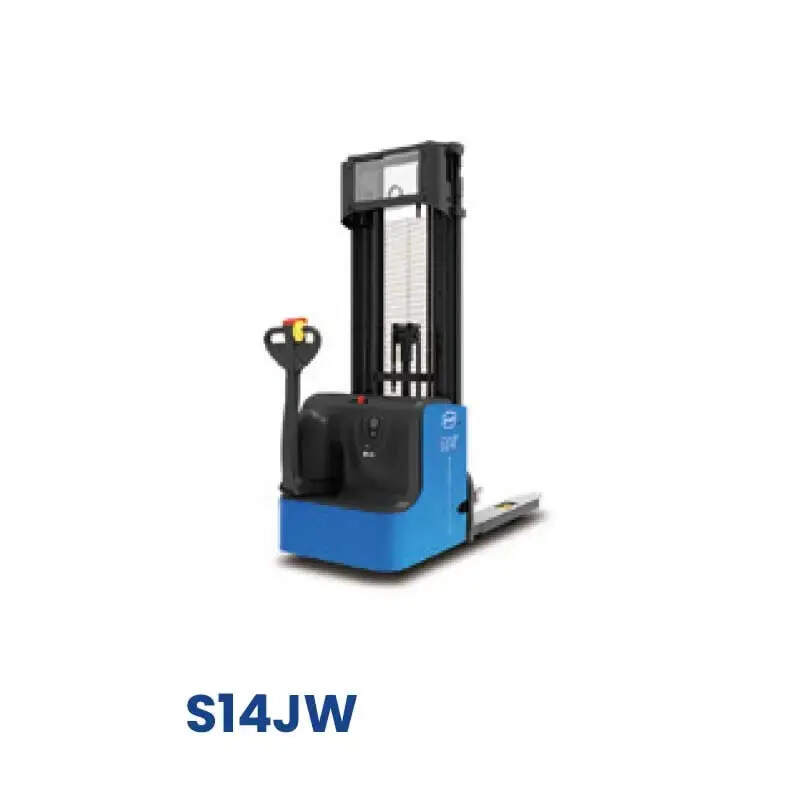
Electric forklifts have gradually become core supporting equipment for modern warehouse and logistics operations, thanks to their low noise, zero local emissions and relatively low long-term operating cost advantages. Many frontline operators and operation management teams still lack systematic practical guidance to leverage the full value of this type of equipment, so this guide covers core operation rules, maintenance points and scenario-based optimization suggestions to help teams use the equipment in a more reasonable and stable way.
Core Standard Operation Guidelines for Daily Use
When starting the equipment, operators should first complete a pre-shift inspection of the remaining power level, brake sensitivity, tire surface condition and fork fastness, to eliminate potential hidden risks before formal operation. During the driving process, it is not recommended to carry out sharp steering or sudden acceleration actions when the load reaches the maximum rated weight, and the driving speed should be adjusted dynamically according to on-site personnel density and channel width, to avoid collision with surrounding stacked goods or fixed facility structures. For goods stacking and picking work, operators should keep the lifting height of the forks as low as possible during moving, and only adjust the height to the required level when reaching the target shelf position, which can effectively reduce the risk of goods falling accidentally.
Routine Maintenance Tips to Reduce Unplanned Wear
Regular cleaning of the motor heat dissipation structure and battery surface is necessary, to avoid accumulated dust or sundries affecting the normal heat dissipation effect, which may lead to unexpected power attenuation during long hours of continuous operation. For the battery pack, operators should follow the manufacturer’s suggested charging rules, avoid deep discharge that drains the power completely before charging, and arrange charging work in a cool, ventilated environment to extend the overall cycle life of the power unit. It is also advised to check the lubrication status of the transmission and lifting structure every two weeks, to add a proper amount of dedicated lubricant to reduce friction loss between different moving parts.
Scenario-based Efficiency Optimization Methods
For narrow channel operation scenarios, operators can adjust the response sensitivity of the steering system to a proper level according to their own operating habits, to achieve more accurate movement control without unnecessary repeated position adjustment. For long-time continuous shifting work in large warehouses, teams can arrange reasonable shift handover time to arrange intermittent supplemental charging for the equipment, to avoid sudden power outage in the middle of a heavy handling task, which may disrupt the whole pre-arranged operation schedule. After each shift, operators should park the equipment in the designated area, lower the forks to the horizontal position close to the ground, and cut off the main power supply to avoid unnecessary power consumption and accidental misoperation by unrelated personnel.


