
 English
 简体中文
 Русский
 Français
 Português
 Español


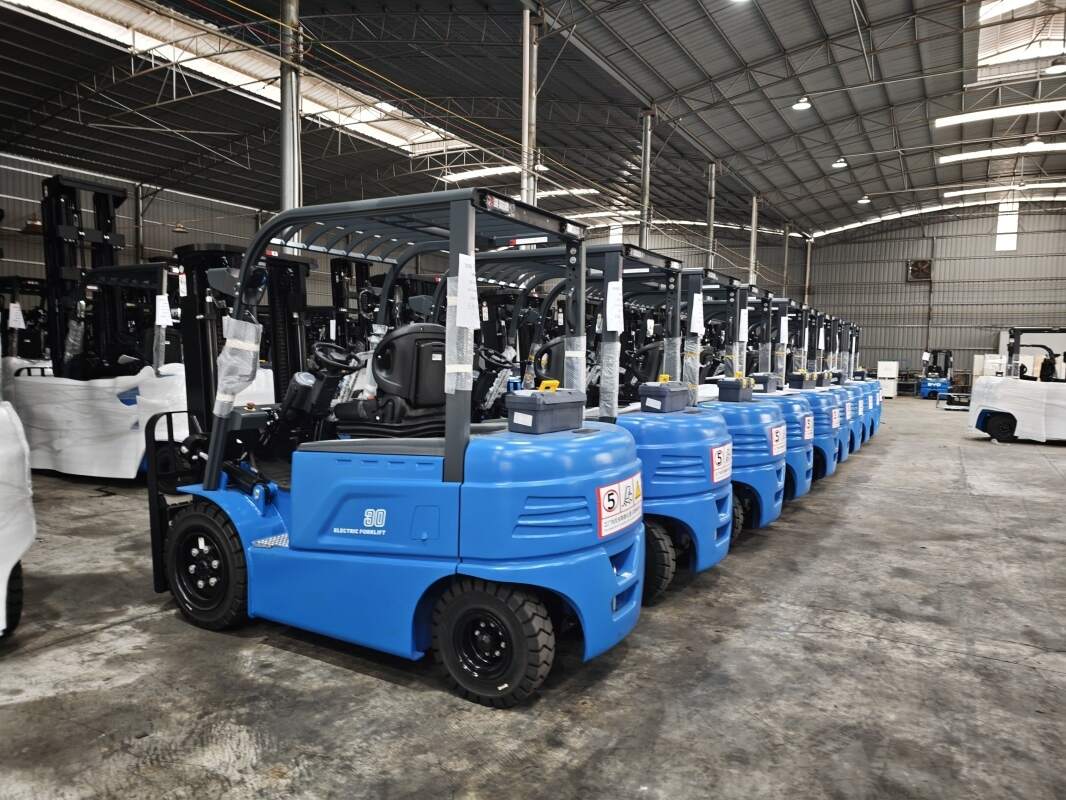
As the core equipment of modern low-carbon warehouse logistics, electric forklifts have been widely applied in multiple scenarios including retail distribution, manufacturing workshops and cold chain storage in recent years. Mastering standardized operation and regular maintenance knowledge can help operators give full play to the performance of the equipment, reduce unnecessary operation loss and avoid potential safety risks.
Basic Safety Operation Specifications
Before starting the equipment, operators need to complete pre-shift inspection work, including checking the power supply status, brake sensitivity, tire wear condition and the normal operation of lifting components. It is not allowed to overload the equipment beyond the rated load during the handling process, and the driving speed should be adjusted according to the site road condition and pedestrian flow density. When operating in narrow channels or areas with low space clearance, operators should slow down in advance and observe the surrounding environment at any time to avoid collision with surrounding facilities or personnel. For new operators, it is necessary to complete systematic operation training before independent post operation, to ensure they can respond to unexpected situations on site correctly.
Routine Daily Maintenance Points
Daily maintenance work of electric forklifts does not require overly complex professional operation, and most of the steps can be completed by on-site operators after simple training. After each shift, operators need to wipe the dust and residual sundries on the equipment surface, check the surface of the battery for damage or liquid leakage, and place the equipment in the designated fixed parking position for charging according to the specified rules. Regularly check the lubrication condition of the transmission and lifting system, and add professional lubricating oil according to the specified cycle to reduce the friction loss of moving parts, which can effectively extend the overall service life of the equipment. It is also recommended to arrange professional personnel to conduct a comprehensive regular inspection every certain cycle, to find hidden problems in time and avoid sudden equipment failure affecting normal production arrangement.
Energy Efficiency Optimization Strategies
Reasonable operation habits can effectively reduce the energy consumption of electric forklifts and improve the continuous working time of a single charge. Operators should avoid frequent sudden acceleration and sudden braking during the driving process, and plan the handling route in advance according to the cargo distribution position of the warehouse, to reduce unnecessary repeated driving distance. For long-time idle scenes, operators can turn off the power output of the equipment appropriately to avoid unnecessary power consumption, which can further improve the overall operation efficiency of warehouse material handling, and also help reduce the carbon emission of the whole logistics link.


